Juneteenth Expands Across America, But the Meaning and How It’s Observed Still Depends on Where You Live
Juneteenth has moved from the margins of American history into the center of the national calendar, but in 2026, it still does not mean the same thing everywhere in the United States. In more than half of all states, state employees now receive a paid day off for Juneteenth, signaling one of the fastest expansions of a modern public holiday in recent American history. Yet recognition of the holiday still varies sharply across states due to policy and political decisions.
The holiday, which marks June 19, 1865, has become both a celebration of emancipation and a reflection of how unevenly freedom is remembered and honored in practice. Some Americans will mark it with a full paid day off, community events, and public ceremonies. Others will see little change to their work schedule at all. That divide shows why Juneteenth means different things in different places.
That divide has turned Juneteenth into more than a commemorative date. It has become a test of how the United States chooses to translate historical memory into everyday life.
From Galveston to the National Calendar
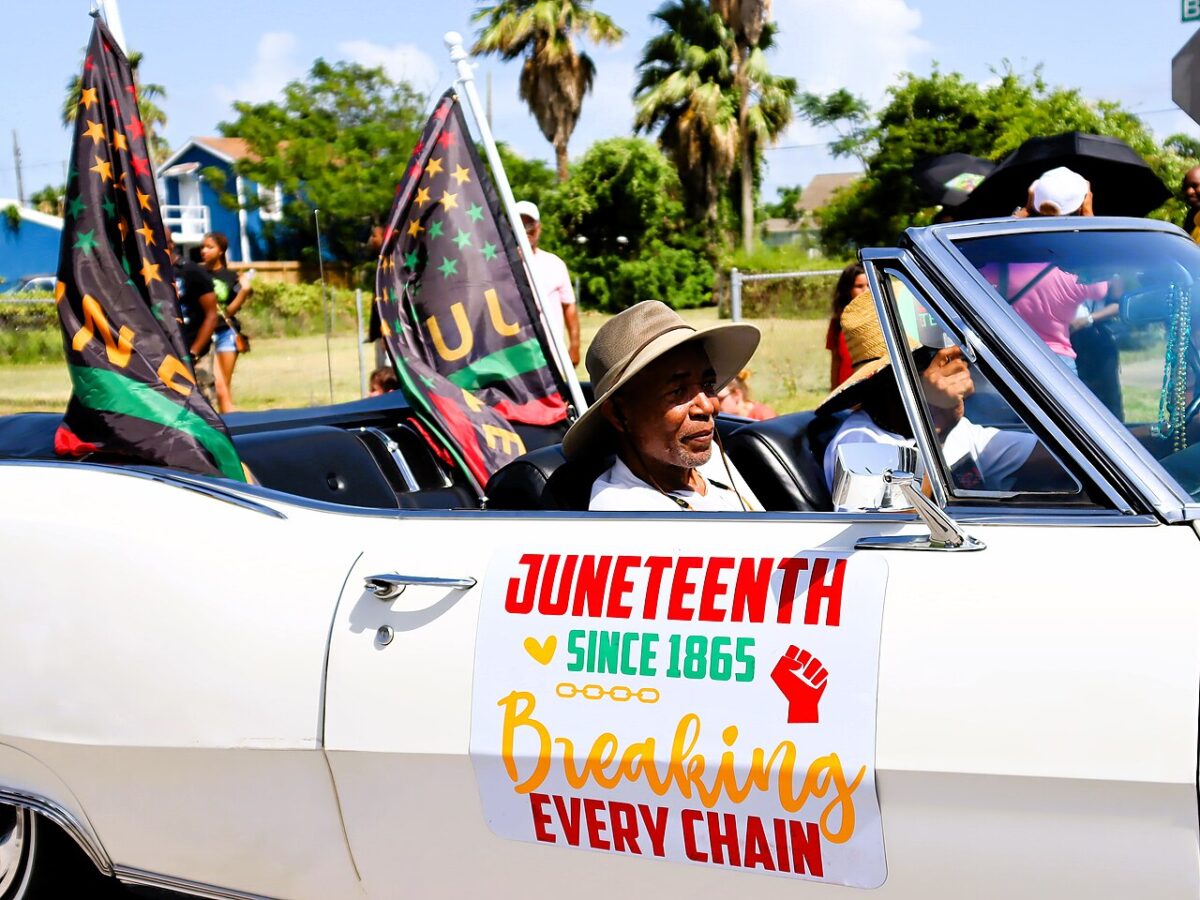
Juneteenth traces its origins to Galveston, Texas, where on June 19, 1865, Union General Gordon Granger arrived with federal troops and announced that enslaved Black Americans were free. This came more than two years after President Abraham Lincoln’s Emancipation Proclamation, highlighting the gap between legal declaration and lived reality.
For generations after that moment, Black communities across the South and beyond kept Juneteenth alive through family gatherings, church services, cookouts, parades, and oral storytelling. It was not originally a government holiday. It was a community tradition rooted in survival, remembrance, and cultural identity.
Texas became the first state to formally recognize Juneteenth as a state holiday in 1980, decades before other states followed. That decision marked the beginning of a slow institutional acknowledgment that later accelerated in the 21st century.
The turning point came in 2021, when Juneteenth was established as a federal holiday. President Joe Biden signed the legislation into law, making June 19 the newest federal holiday since Martin Luther King Jr. Day was created in 1983. That federal recognition transformed Juneteenth from a regional observance into a nationwide public holiday with official status across federal institutions.
But federal recognition did not automatically standardize how the holiday is observed across all states.
A Rapid Expansion That Still Lacks Uniformity
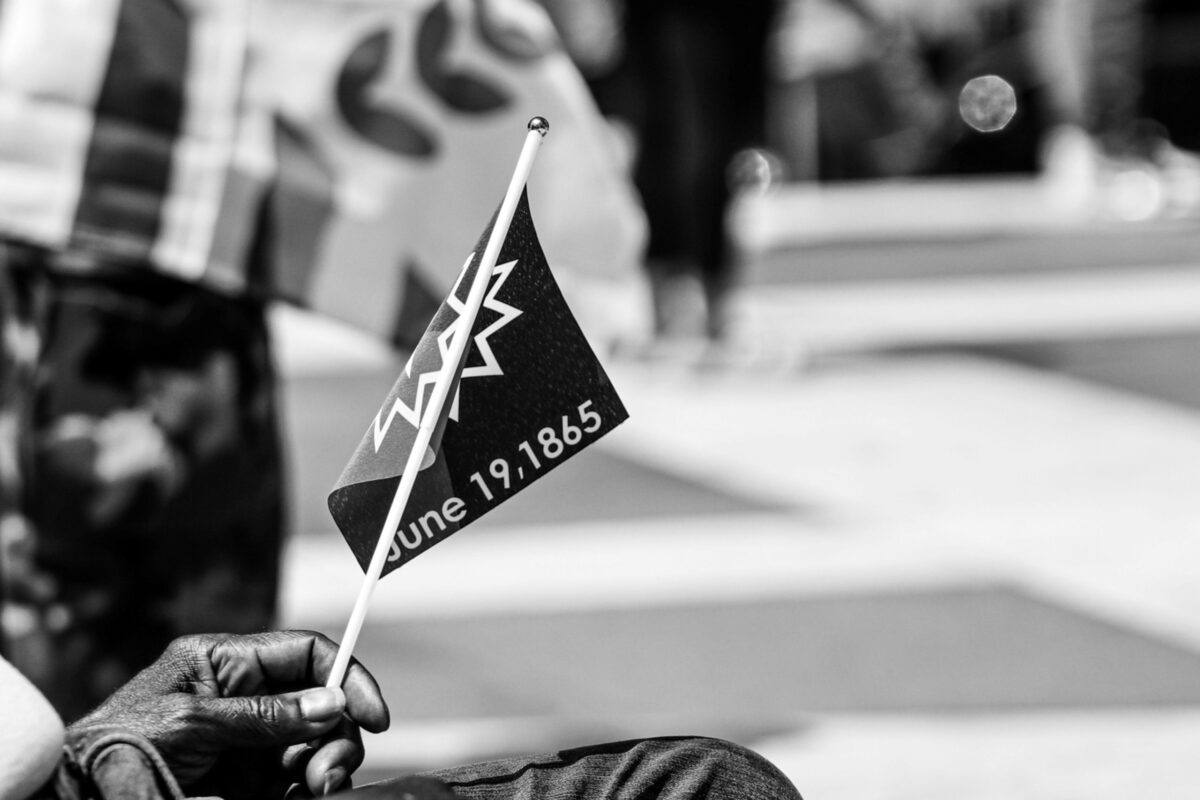
By 2026, Juneteenth will have become widely recognized across the country, but its legal and practical meaning will still vary significantly. That variation is the article’s central point: recognition has expanded quickly, but uniform access has not.
At least 30 states and Washington, D.C., now recognize Juneteenth as a permanent legal holiday for most state employees, giving workers paid time off and closing many government offices. In addition, more than 33 states and Washington, D.C., provide paid time off for state workers in some form, through statutory law, executive action, or administrative policy.
This means that in most of the country, Juneteenth is no longer just symbolic. It has real labor and economic impact, affecting payroll schedules, government services, school calendars, and public operations.
However, in other states, Juneteenth remains an official observance rather than a full holiday. In those places, state offices may remain open, employees may still work regular shifts, and recognition may be limited to ceremonial statements or optional programming.
The result is a two-tier national experience. One version of Juneteenth includes rest, reflection, and public celebration. The other passes like a regular workday. That inconsistency has become one of the defining tensions in the holiday’s evolution.
Why States Are Moving at Different Speeds
The uneven adoption of Juneteenth reflects broader differences in how states approach public holidays, labor policy, and historical recognition.
Some states, particularly those with long-standing Juneteenth traditions, such as Texas, have earlier and more deeply integrated the holiday into their legal systems. Others moved quickly after 2020, when national protests over racial justice pushed institutions to reassess how they acknowledge Black history.
Several states expanded recognition between 2021 and 2025, often through legislative votes that framed Juneteenth as both a historical correction and a civic milestone. Alabama, for example, adopted Juneteenth as a permanent state holiday in 2025, joining a growing list of states formalizing the observance.
In other states, however, resistance or delay has led to partial recognition models. Some governments opted for floating holidays instead of fixed closures. Others grant agencies discretion, leading to inconsistent observance within the same state workforce.
These differences highlight a broader question: whether Juneteenth is being treated as a symbolic gesture or as a structural commitment embedded in labor law.
What Recognition Actually Means for Workers
For government employees, Juneteenth recognition directly affects work schedules, pay structures, and time off policies.
In states where Juneteenth is a paid legal holiday, most public workers receive a full day off without using personal leave. This includes administrative offices, courts, and many public-facing services. Schools and universities may also close depending on local district decisions.
In states where Juneteenth is only partially recognized or treated as a floating holiday, workers may need to use personal time off to observe the day. In those cases, recognition exists on paper but does not always translate into guaranteed rest.
This distinction matters for families planning summer schedules, for workers balancing multiple jobs, and for communities organizing public events. A paid holiday creates shared time. A symbolic observance does not always do the same.
The result is that Juneteenth can feel like a unified national moment in theory, but a fragmented experience in practice.
The Federal Layer and Its Limits
At the federal level, Juneteenth is fully established as a public holiday. Federal employees receive the day off, and federal offices generally close. Banks and financial markets typically follow the federal holiday schedule, resulting in widespread closures in key sectors of the economy.
However, the federal designation does not require private employers or state governments to follow the same rules. This creates a layered system in which national recognition exists alongside local variation.
Large corporations have increasingly adopted Juneteenth as a company holiday or day of recognition, especially in the years following 2020. Many businesses now provide paid time off, host educational programs, or organize internal events focused on Black history and equity.
Still, private-sector participation remains voluntary. Some employees receive the day off as part of corporate policy, while others continue working regular schedules in retail, service, healthcare, and essential industries.
This uneven participation reinforces a broader reality: national holidays in the United States often depend as much on workplace policy as on federal law.
Cultural Growth and Public Visibility
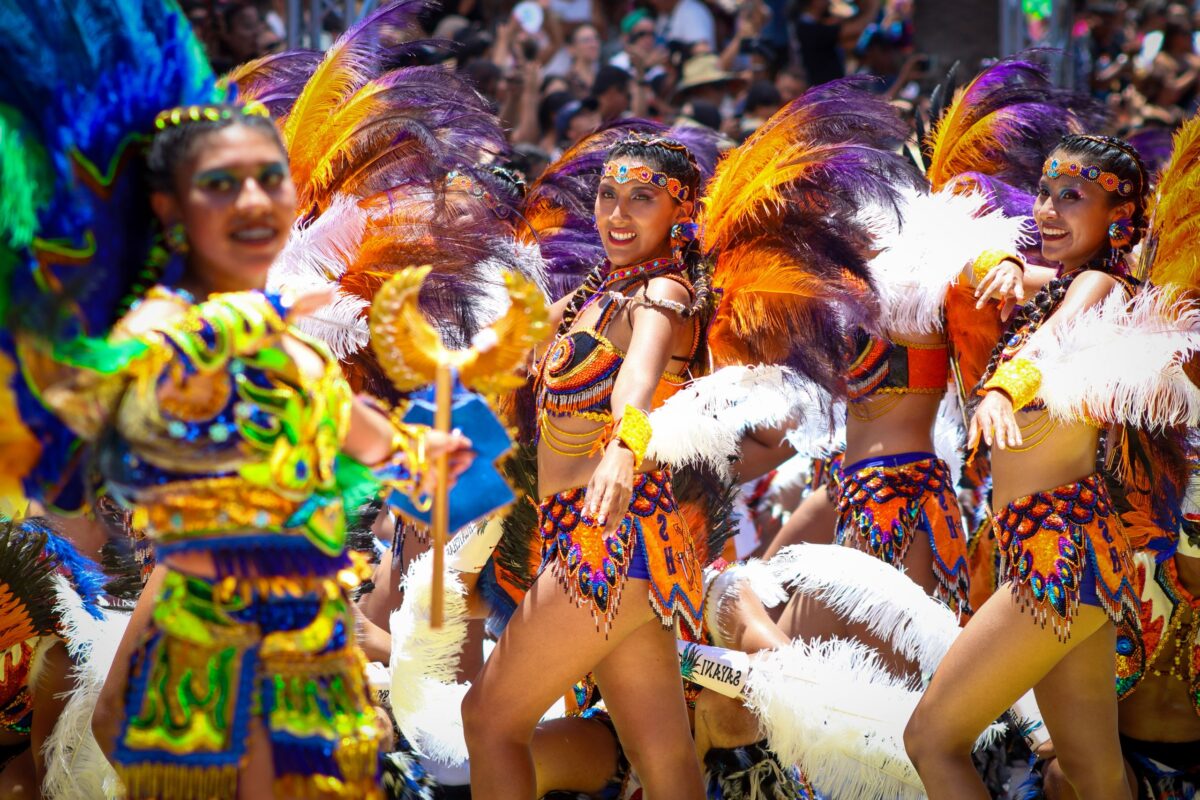
Beyond legal recognition, Juneteenth has grown significantly in cultural visibility. Cities across the country now host parades, festivals, concerts, educational events, and community gatherings on or around June 19.
Museums, schools, and civic organizations increasingly use the day to highlight African American history, slavery, Reconstruction, and the ongoing legacy of racial inequality. In many communities, Juneteenth has become both a celebration and a public classroom.
Food traditions also remain central. Barbecues, red drinks, and family meals continue to play a symbolic role in marking the day, reflecting its roots in communal gathering and resilience.
In recent years, Juneteenth events have also expanded into voter registration drives, youth programs, and economic initiatives supporting Black-owned businesses. This has broadened the holiday’s meaning beyond remembrance into civic participation and community investment.
A Holiday Still Taking Shape
Despite its rapid rise, Juneteenth remains a relatively new addition to the national holiday calendar. Its meaning is still evolving, shaped by legislative decisions, workplace policies, and cultural practices.
Unlike older federal holidays with long-established traditions, Juneteenth is still developing its national identity. That makes its current moment particularly significant. The way states, employers, and communities choose to define it now will influence how future generations experience it.
The central question is not whether Juneteenth will remain recognized. That is already settled at the federal level. The question is how deeply that recognition will shape the daily structure of American life.
Will it remain a day of uneven observance, dependent on geography and employer choice? Or will it become a fully unified national moment with consistent meaning across the country?
A National Reflection Still in Progress
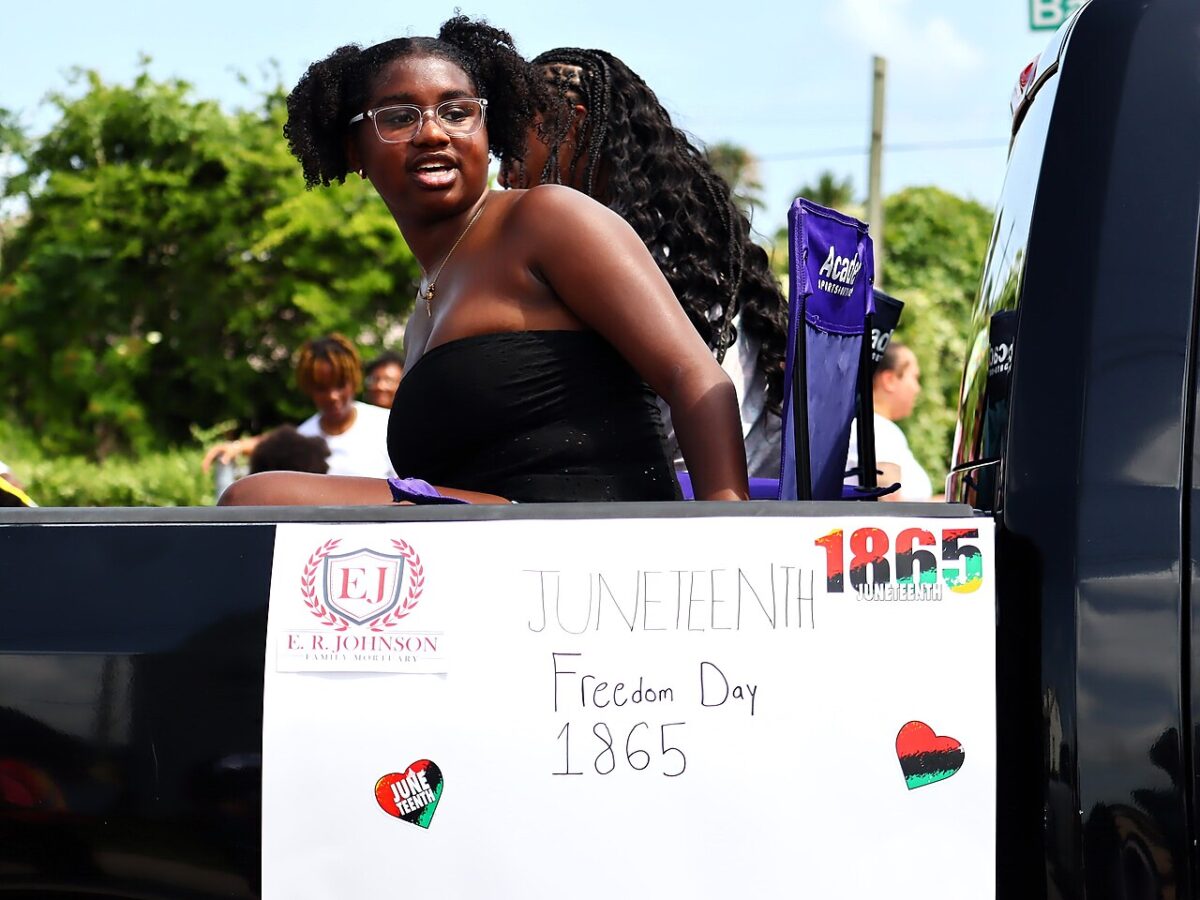
Juneteenth has grown faster than almost any modern American holiday, moving from a regional tradition to a federally recognized observance in a matter of decades. That speed reflects a broader shift in how the United States is re-evaluating its history and public memory.
But the uneven landscape of recognition in 2026 shows that the country is still working through what that acknowledgment should look like in practice, and that question remains unresolved. Juneteenth’s expansion is real, but its meaning remains uneven.
For some Americans, June 19 is a paid day of rest, reflection, and celebration. For others, it is still a regular workday. That contrast captures the broader reality of Juneteenth today: widely recognized, deeply meaningful, but still unevenly experienced.
And as more states decide how to define it, Juneteenth continues to evolve—not just as a holiday, but as a reflection of how America chooses to remember its past in the present.