Joliet DUI Dirt Bike Collision Sparks Multi-Layer Criminal Investigation After Fatal Intersection Crash
When a Single Intersection Becomes a Breaking Point in the Joliet DUI Dirt Bike Collision
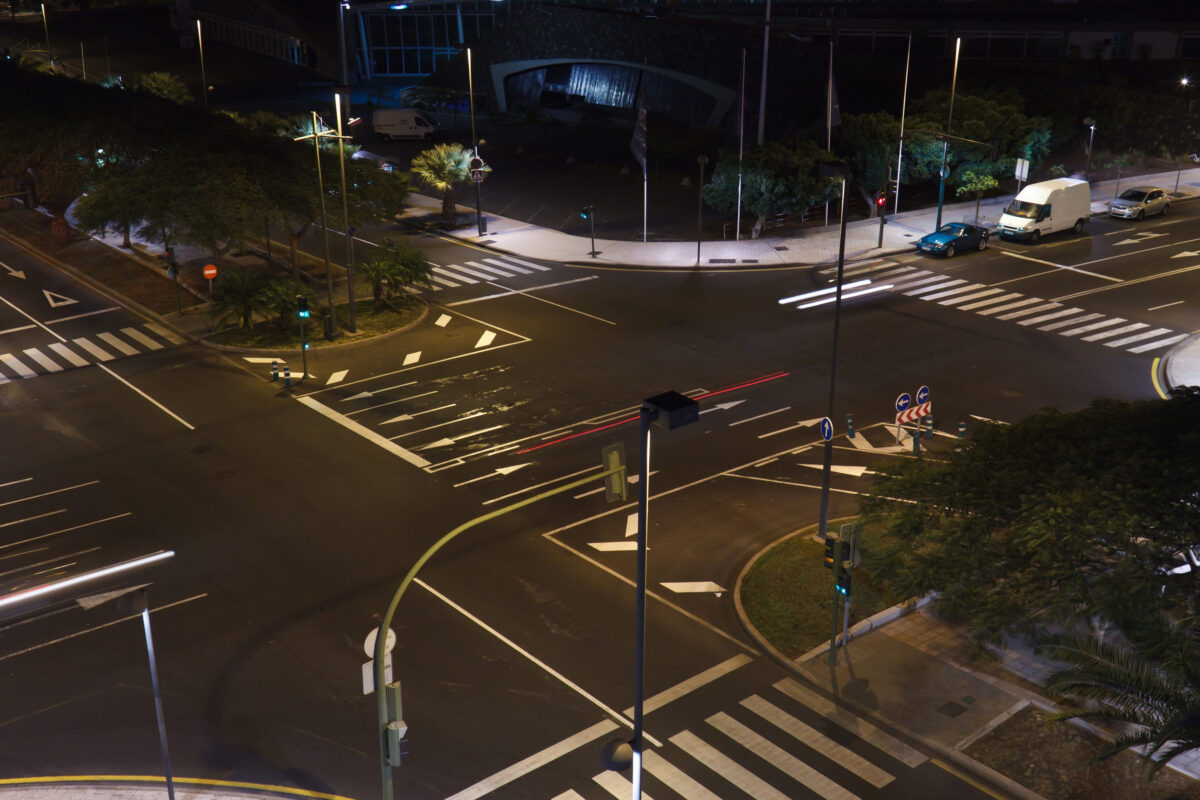
The Joliet DUI dirt bike collision at Jefferson and Hickory has become a defining example of how quickly a routine traffic environment can shift into a fatal multi-agency investigation. A 17-year-old dirt bike rider lost his life, while a 38-year-old driver now faces aggravated DUI and battery charges tied to events that unfolded in seconds but will be examined for months. The significance of the Joliet DUI dirt bike collision lies not only in the crash itself, but in the overlapping failures that preceded and followed it.
This case sits at the intersection of traffic law, alleged impairment, and the growing presence of off-road vehicles in urban traffic corridors. Authorities have described a sequence involving a red-light entry, a passenger vehicle traveling through the same intersection, and a fatal impact that ejected the teenage rider. The Joliet DUI dirt bike collision also includes allegations that extend beyond driving behavior into post-crash violence, deepening its legal complexity.
As investigations continue, the Joliet DUI dirt bike collision raises broader questions about how modern intersections function under mixed-risk conditions. Passenger vehicles, non-street-legal dirt bikes, and alleged alcohol impairment created a convergence point that proved irreversible. The case now stands as a study in layered responsibility rather than a single-point cause.
The Intersection Where Multiple Failures Converged in the Joliet DUI Dirt Bike Collision
The Joliet DUI dirt bike collision occurred at West Jefferson Street and North Hickory Street, an area designed to regulate predictable traffic movement through signal timing and controlled access. On the surface, the intersection functions like many suburban crossroads. Beneath that structure, however, investigators are now reconstructing a far more unstable sequence of events.
According to initial accounts, the teenage rider entered the intersection against a red light while traveling with two other dirt bike riders. The Joliet DUI dirt bike collision escalated when those movements intersected with a northbound Chevrolet Impala driven by a 38-year-old man. The resulting impact killed the teenager instantly and triggered a secondary crash involving a parked vehicle.
This type of convergence highlights how intersections amplify risk when multiple rule violations occur simultaneously. In the Joliet DUI dirt bike collision, investigators must assess signal compliance, vehicle positioning, and approach timing across both parties. When these elements misalign, even briefly, the outcome becomes structurally unavoidable once momentum is established.
Alcohol, Impairment, and Legal Thresholds in the Joliet DUI Dirt Bike Collision
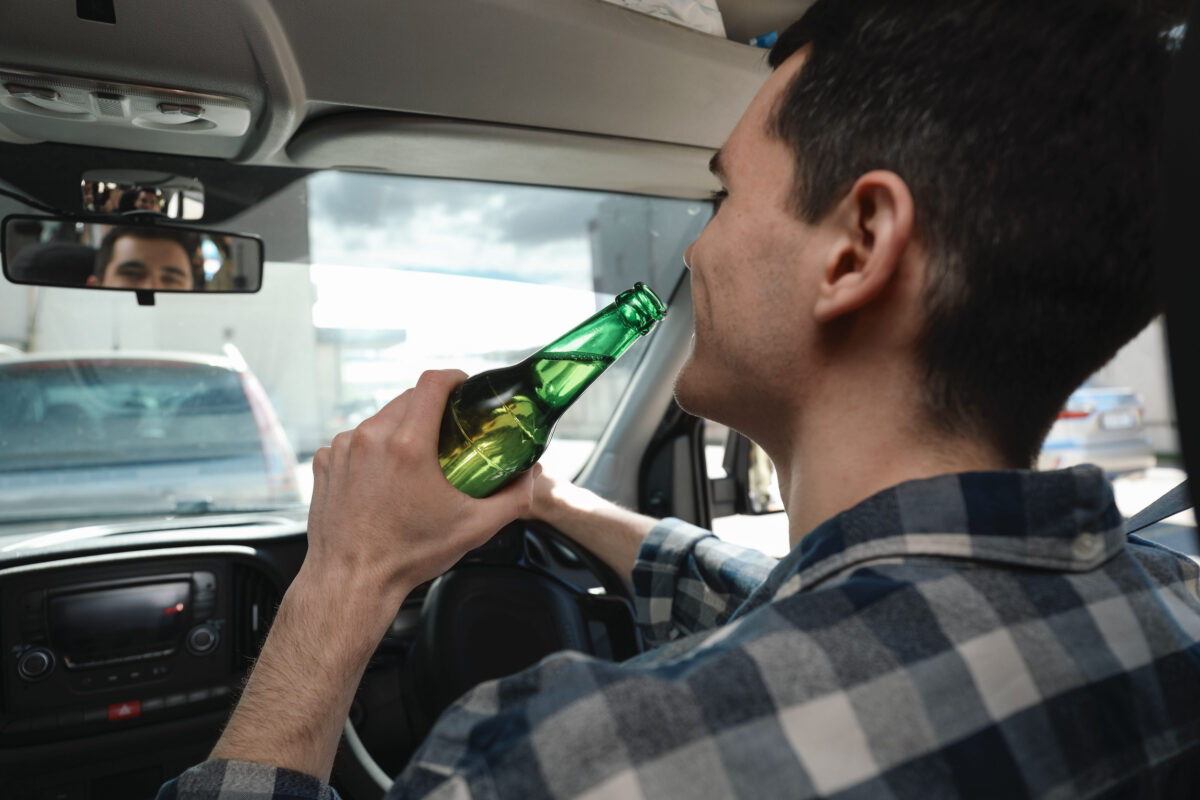
A central element in the Joliet DUI dirt bike collision is the allegation of alcohol impairment involving the driver of the Chevrolet Impala. Police reported signs of impairment at the scene and stated that the driver admitted to drinking prior to the crash. Officers also documented open alcohol containers inside the vehicle, adding another layer of evidentiary concern.
In DUI investigations, impairment is not determined by a single factor but by a combination of observations, chemical testing, and behavioral indicators. The Joliet DUI dirt bike collision now falls within the aggravated DUI category due to the fatal outcome. This classification significantly elevates potential penalties and places the case within a more severe prosecutorial framework.
Beyond legal thresholds, alcohol-related crashes consistently show a pattern of reduced reaction time and impaired judgment at critical decision points. In the Joliet DUI dirt bike collision, even a fraction of a second’s delay in response could have altered the trajectory of both vehicles. The case illustrates how impairment compounds existing risks in already complex traffic environments.
Dirt Bikes, Urban Roads, and the Expanding Risk Pattern in the Joliet DUI Dirt Bike Collision
The Joliet DUI dirt bike collision also highlights a recurring issue in many urban areas: the use of dirt bikes on public roadways not designed for them. Police cited the two surviving riders for operating non-highway vehicles on a roadway, reinforcing the regulatory tension surrounding this practice. These vehicles are typically intended for off-road environments, not signalized intersections.
When dirt bikes enter urban traffic systems, they introduce variables that standard traffic infrastructure does not fully accommodate. In the Joliet DUI dirt bike collision, the group’s riding pattern created a split-second decision at the intersection. Two riders stopped while one proceeded, a divergence that became critical in the final outcome.
Historically, cities have struggled to regulate off-road vehicle use within public streets. Enforcement often reacts after incidents occur rather than preventing them in advance. The Joliet DUI dirt bike collision reflects this ongoing challenge, where enforcement, rider behavior, and infrastructure design intersect without full alignment.
The Aftermath That Expanded the Joliet DUI Dirt Bike Collision Beyond the Road
What distinguishes the Joliet DUI dirt bike collision from many fatal crashes is what allegedly happened after impact. Police reported that the driver exited his vehicle and assaulted one of the other dirt bike riders who had stopped at the scene. This allegation introduces a secondary layer of criminal behavior beyond the traffic collision itself.
Post-crash behavior often becomes a focal point in investigations because it reflects the immediate emotional and behavioral response to trauma. In the Joliet DUI dirt bike collision, the reported confrontation turned a fatal crash scene into a multi-incident investigation site. Officers were required to manage both medical response and alleged criminal conduct simultaneously.
The presence of post-impact violence also complicates witness accounts and scene management. Emergency responders typically prioritize medical stabilization and roadway safety, but in the Joliet DUI dirt bike collision, the environment included alleged physical altercations. This duality can affect evidence collection and the early stages of investigative clarity.
Responsibility, Timing, and the Chain Reaction in the Joliet DUI Dirt Bike Collision
The Joliet DUI dirt bike collision illustrates how responsibility in traffic incidents often distributes across multiple decision points rather than a single action. The teen rider’s alleged red-light entry, the driver’s alleged impairment, and the presence of non-street-legal vehicles all contributed to a layered sequence of risk. Each factor alone may not determine the outcome, but together they create a chain reaction.
Timing plays a central role in how investigators reconstruct such events. In the Joliet DUI dirt bike collision, seconds separated movement decisions that ultimately converged in the same physical space. Traffic signal systems are designed to prevent precisely this type of overlap, yet real-world behavior often diverges from expected patterns.
This case also highlights the difficulty of assigning linear causality in multi-actor crashes. The Joliet DUI dirt bike collision does not present a single narrative of fault but rather a collision of decisions made under different conditions. Legal proceedings will ultimately determine accountability, but the event’s structural complexity will remain a defining feature.
What the Joliet DUI Dirt Bike Collision Reveals About Modern Road Risk
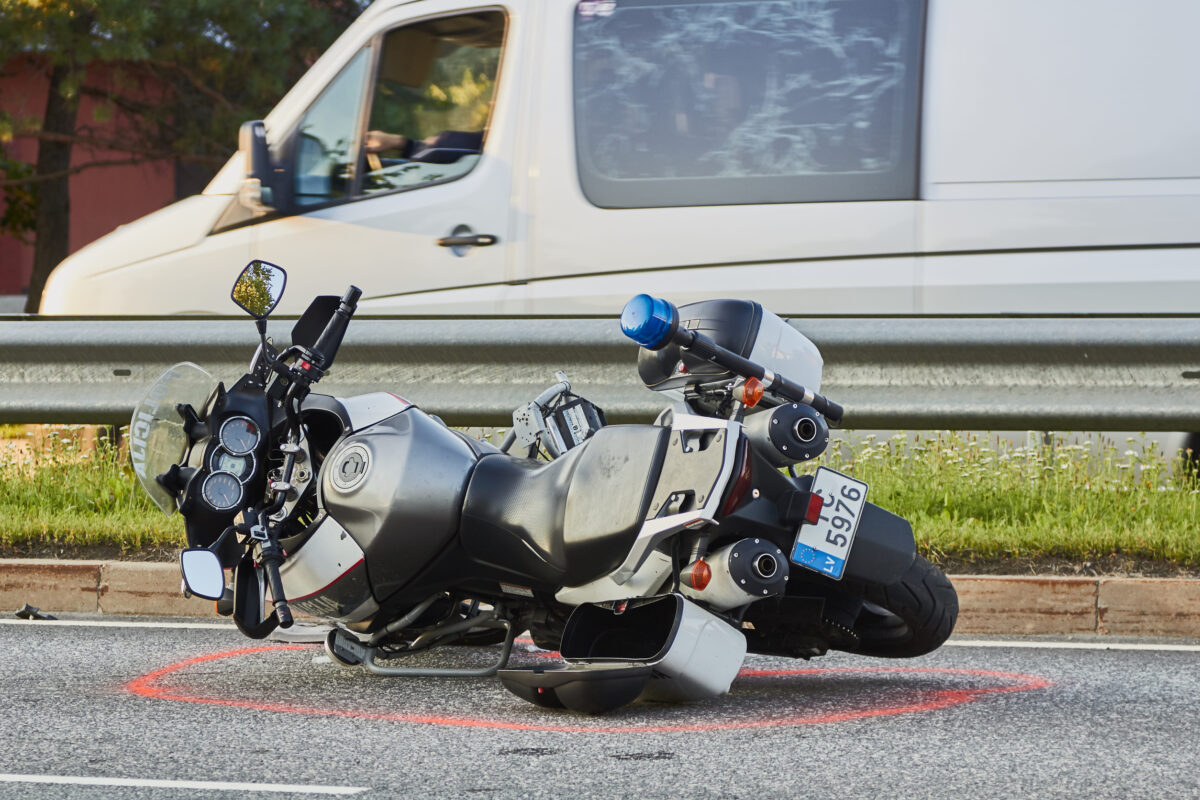
The Joliet DUI dirt bike collision has become more than a local fatal crash. It reflects a broader pattern of risk emerging in environments where traditional traffic systems encounter evolving vehicle use and behavioral unpredictability. Urban intersections increasingly function as high-compression zones for these overlapping risks.
From a public safety perspective, the case underscores the importance of enforcement consistency, rider education, and impairment prevention. The Joliet DUI dirt bike collision demonstrates how quickly multiple small deviations from expected behavior can escalate into irreversible outcomes. When these deviations occur simultaneously, standard safety margins collapse.
The legal process ahead will focus on charges, evidence, and reconstruction analysis, but the broader implications extend beyond the courtroom. The Joliet DUI dirt bike collision leaves a record of how fragile intersection safety can be when multiple systems fail at once. It raises a final question that lingers beyond the incident itself: how many overlapping risks must align before prevention gives way to tragedy?