Kentucky Governor Andy Beshear Says Calls Suggested Mitch McConnell Had Died as Questions Swirled Over Senator’s Health
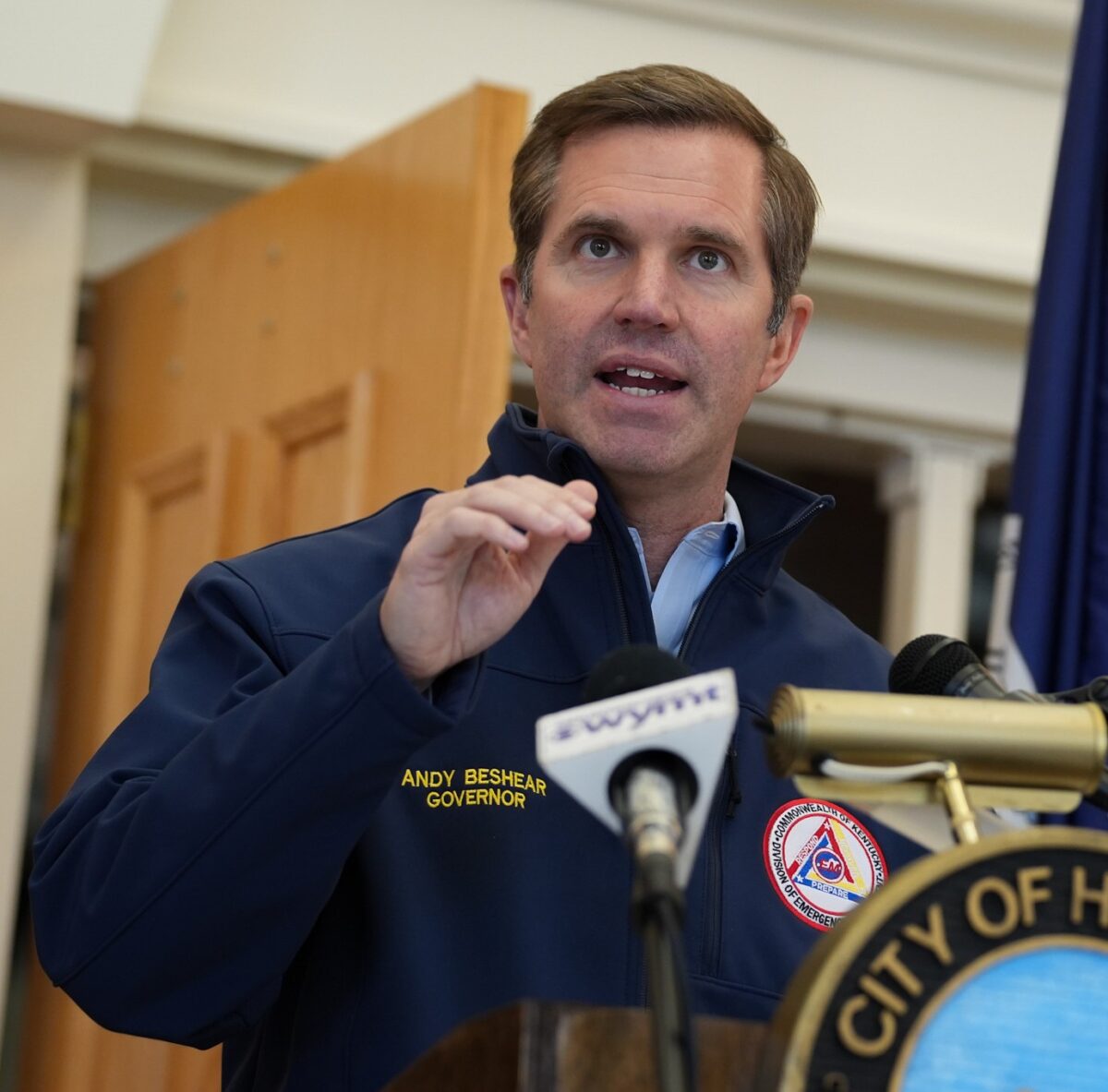
Kentucky Governor Andy Beshear says the uncertainty surrounding Senator Mitch McConnell’s health became so intense that he received calls from officials outside state government suggesting the longtime Republican leader had died. Beshear revealed the details during an interview with journalist Katie Couric, explaining why he had pushed for a clearer public update from McConnell’s office after weeks of limited information. The governor said he received two separate calls from different agencies claiming McConnell had passed away, though he did not identify those organizations or provide evidence that the reports were accurate.
The claims were false. McConnell later released a statement and a photograph showing that he was alive and recovering after a serious fall, hospitalization, and rehabilitation. However, the episode highlighted a growing debate in Washington over transparency, public trust, and the health of aging elected officials.
A Month of Silence Fueled Rumors About Mitch McConnell’s Condition
McConnell’s health concerns began after he fell at his Washington residence on June 14. The incident resulted in hospitalization and weeks of limited public communication from his office. During that period, McConnell’s team confirmed that he was receiving medical care and later said he was improving. However, officials provided few details about the seriousness of his condition, the timeline for his recovery, or when he expected to return to the Senate.
The lack of information created a vacuum. As days passed without a public appearance or direct statement from McConnell himself, speculation spread across political circles and online platforms.
For a senator who has spent decades as one of the most powerful figures in Washington, the prolonged absence attracted significant attention. McConnell has served as Senate Republican leader and played a central role in shaping major legislative battles, Supreme Court confirmations, and national policy decisions. The questions surrounding his health were not only personal. They were tied to concerns about whether one of the country’s most influential lawmakers could continue carrying out his responsibilities.
Andy Beshear Says Officials Shared an Unverified Death Report
During his interview, Beshear explained that his request for more information came after receiving alarming calls. The governor said two different agencies, neither of which was a Kentucky state agency, contacted him with information suggesting that McConnell had died.
“It had been a month before anything had been put out,” Beshear said, describing the lack of an official update from McConnell’s office. He said the reports he received were serious enough to raise concern but were never independently confirmed. Beshear did not claim the information was true. Instead, he described how the absence of clear communication allowed rumors to grow.
The governor’s comments showed how quickly uncertainty can spread when public officials remain largely out of view. A lack of verified information can create room for inaccurate reports, online speculation, and conspiracy theories. Beshear later emphasized that the fastest way to stop speculation would be for McConnell to directly address the public through a video statement, an interview, or another form of communication.
McConnell Finally Breaks His Silence With Health Update
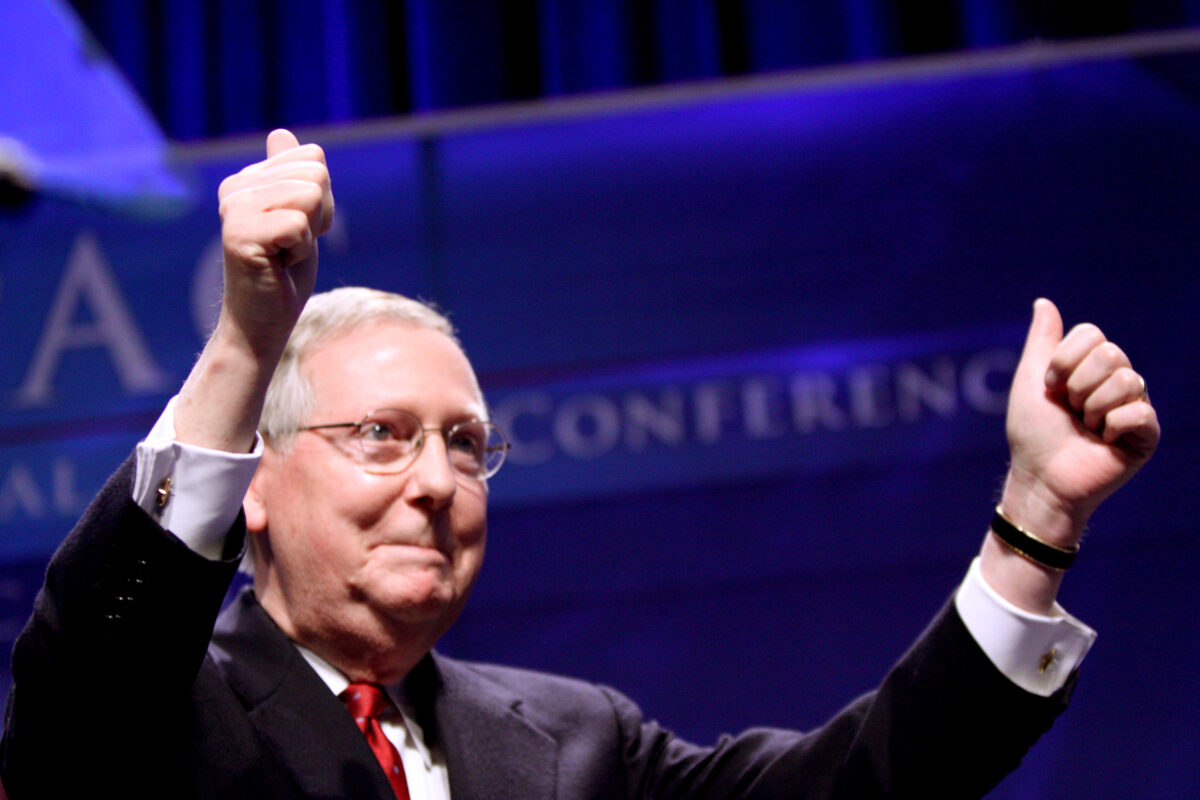
After weeks of questions, McConnell released a detailed statement explaining what happened. The senator said he fell after experiencing difficulties connected to his long-term mobility challenges from surviving polio as a child. He said he briefly lost consciousness after the fall, but doctors determined that he did not suffer a stroke, heart attack, brain injury, or other severe conditions.
McConnell also revealed that he developed a mild case of pneumonia during his hospitalization. Doctors treated the infection, and he later moved into rehabilitation to continue rebuilding his strength. The senator acknowledged that his recovery would take time and said he was following medical advice before returning to Washington.
McConnell’s statement also pushed back against assumptions that he was unable to perform his duties. He said he remained involved with his staff, constituent services, and legislative matters while recovering. However, he did not announce a specific date for returning to the Senate floor. That uncertainty kept the political conversation alive. Supporters pointed to his statement as evidence that he was recovering, while critics argued that voters deserved more direct proof of his ability to resume public duties.
Photo Release Pushes Back Against Online Conspiracy Theories
Along with his statement, McConnell’s office released a photograph showing the senator seated beside his wife, Elaine Chao, holding a newspaper. The image was intended to reassure the public that McConnell was alive and recovering. It quickly became a central point in the debate, especially after some online commentators questioned whether the image was authentic.
Some social media users falsely claimed the photograph had been created using artificial intelligence. Experts who examined the image found no evidence supporting those claims. The controversy reflected a larger challenge facing public figures in the digital age. As artificial intelligence tools become more common, even genuine photographs and videos can be subject to suspicion. In McConnell’s case, the photograph helped answer the most extreme rumors, but it did not address every question about his health, recovery timeline or ability to return to full Senate duties.
The Bigger Debate Over Health and Public Office
The controversy surrounding McConnell is part of a broader national discussion about transparency among elected officials. Public figures have a right to medical privacy, and lawmakers are not required to release every detail about their health. At the same time, elected officials hold positions that directly affect millions of people, making questions about their ability to serve unavoidable.
McConnell’s situation has received particular attention because of his age and previous health incidents. At 84, he is among the oldest members of Congress, and he has previously experienced public episodes that raised questions about his physical condition.
Those concerns do not automatically mean he cannot serve. Many older Americans continue to lead organizations, businesses, and governments effectively. The issue is whether voters receive enough reliable information to understand their representatives’ current capabilities. For critics, the lack of communication created unnecessary confusion. For McConnell’s supporters, the senator’s statement demonstrated that he remained engaged and capable of making decisions about his future.
McConnell Plans to Complete His Senate Term
Despite the health concerns and public pressure, McConnell has indicated that he plans to remain in office until his current term ends. The senator has already announced that he will not seek another term, meaning his time in the Senate will conclude in January 2027.
McConnell has said he wants to return to Washington when his doctors approve. His office maintains that he continues to work behind the scenes while undergoing rehabilitation.
The next stage of the situation will depend on his recovery and whether he can return to public appearances and Senate activity. The most significant lesson from the controversy may not be about one senator’s health. It may be about how quickly uncertainty can transform into rumor when leaders fail to communicate clearly.
In the end, the facts are now clear: Mitch McConnell is alive, recovering, and continuing rehabilitation after his fall. But the debate over transparency, public trust and the responsibilities of elected officials remains far from over.