Trump’s Administration Hits 10,000 Arrest Milestone as DHS Expands Crackdown on Suspected Gang Members
The Trump administration is celebrating a major enforcement milestone, announcing that federal authorities have arrested more than 10,000 suspected gang members since the start of the president’s second term. The Department of Homeland Security says the arrests reflect an aggressive nationwide push targeting individuals accused of violent criminal activity tied to transnational gangs.
Officials frame the operation as a public safety breakthrough. Critics, meanwhile, question the scope, definitions, and political messaging behind the numbers. As with most large-scale enforcement announcements, the reality sits somewhere between policy achievement and political theater.
What is clear is that immigration enforcement has become one of the administration’s defining operational priorities, with Immigration and Customs Enforcement expanding its arrests, resources, and coordination across multiple federal agencies.
A Milestone Framed as a Public Safety Victory
According to DHS, the 10,000-arrest threshold represents individuals suspected of involvement in serious criminal activity, including murder, armed assault, drug trafficking, extortion, robbery, and racketeering conspiracy.
The agency identified the 10,000th arrest as Javier Hernandez Rosas, an alleged MS-13 member and Mexican national with prior convictions for cocaine possession and earlier arrests for abduction and weapons-related offenses.
Homeland Security officials have used the milestone to reinforce the narrative that intensified immigration enforcement is directly improving community safety. ICE leadership has described the campaign as a necessary response to what they characterize as years of inadequate border and interior enforcement.
But as with many headline figures in enforcement policy, the details behind the totals are less uniform than the announcement suggests.
The Politics Behind the Numbers
The 10,000-arrest figure is being presented not just as a statistic, but as evidence of policy success. Administration officials have repeatedly linked the arrests to a broader argument that prior immigration policies under the Biden administration allowed dangerous individuals to remain in the country.
Critics of the administration, however, argue that sweeping enforcement numbers often obscure important distinctions between criminal convictions, pending charges, and mere allegations. In large-scale enforcement operations, individuals may be included in statistics based on suspicion, prior contact with law enforcement, or gang affiliation assessments that are not always tested in court.
That nuance rarely makes it into official press statements. As a result, the announcement functions as both a data point and a narrative tool, reinforcing a broader political message about border security and crime.
Expanding ICE Operations Across the Country
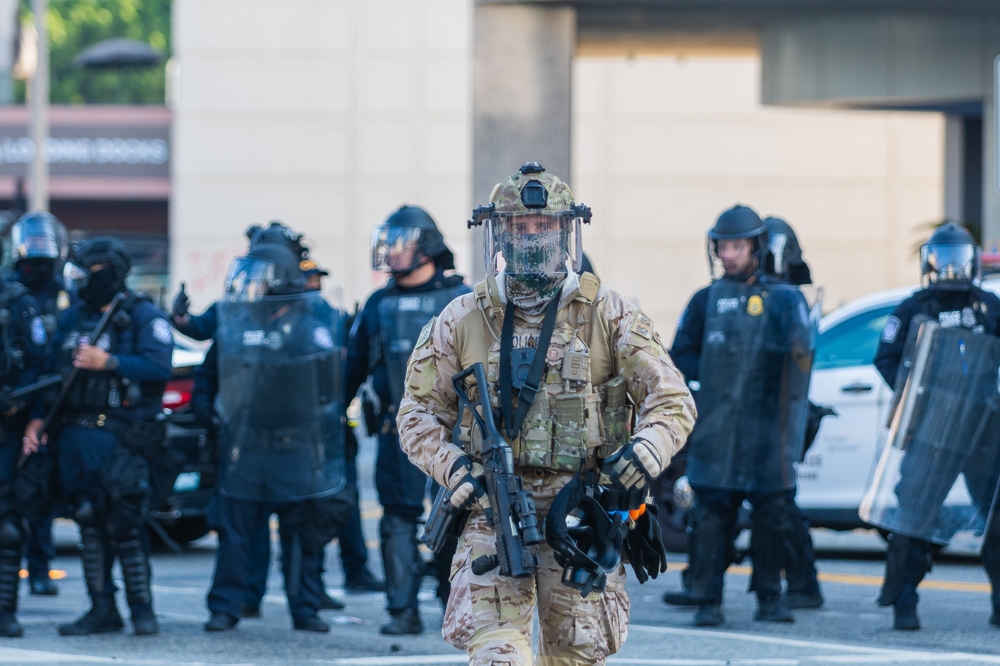
ICE operations have expanded significantly as part of the administration’s second-term enforcement strategy. Federal officials say the agency has been “turbocharged” under new legislative backing, including enhanced staffing and broader arrest authority.
Homeland Security officials claim these changes have allowed for more targeted removals of individuals deemed public safety threats. The administration also points to increased coordination with Customs and Border Protection, which recently reported record staffing levels exceeding 21,000 agents.
At the same time, interior enforcement actions have become more visible in communities across the country, raising concerns among immigrant advocacy groups about due process, courthouse arrests, and the broader chilling effect on court participation.
The Role of Gang Designations in Enforcement Strategy
A significant portion of the arrests involve individuals accused of ties to organized gangs such as MS-13 and other transnational criminal networks. These designations carry strong political and public safety implications, often shaping public perception long before cases are adjudicated.
DHS argues that removing suspected gang members from communities reduces violent crime and disrupts organized criminal networks. The agency highlights charges such as drug trafficking, assault with deadly weapons, and extortion as justification for prioritizing these arrests.
However, civil liberties groups have long raised concerns about how gang affiliation is determined, noting that criteria can vary across jurisdictions and may rely on informant testimony, association, or prior encounters with law enforcement rather than convictions.
Enforcement Surge Meets Political Messaging
The announcement comes as illegal border crossings have reportedly declined sharply compared to prior years, according to DHS data cited by officials. The administration attributes this drop to stricter enforcement policies, expanded deportation efforts, and deterrence effects from increased interior arrests.
Supporters argue that visible enforcement is necessary to restore order and reduce incentives for illegal entry. Opponents counter that enforcement surges often coincide with shifts in migration patterns rather than with long-term structural change.
What is not disputed is the political utility of enforcement milestones. Large, rounded figures like “10,000 arrests” are easily communicated, widely reported, and quickly absorbed into broader political narratives.
What the Public Rarely Sees Behind Enforcement Headlines
While official statements focus on arrests and public safety outcomes, the broader enforcement process is far more complex. Each arrest can involve overlapping legal proceedings, immigration hearings, criminal charges, and administrative detention reviews.
Many cases move slowly through immigration courts, where backlogs already stretch into years in some jurisdictions. Others result in rapid removals depending on legal status, prior orders, or expedited procedures.
For communities, the impact is often felt not through statistics but through increased enforcement visibility, legal uncertainty, and heightened tension between federal agencies and local populations.
The Broader Question of Effectiveness
The central question raised by the 10,000-arrest milestone is not whether enforcement is increasing; “we all know that it is,” the question remains what measurable outcomes it produces beyond the numbers themselves.
Supporters point to disrupted criminal networks and reduced exposure to violent offenders. Critics question whether broad enforcement sweeps meaningfully reduce long-term crime rates or address the root causes of transnational gang activity.
Like many aspects of immigration policy, effectiveness depends heavily on definition. Success can be measured in arrests, removals, prosecutions, or community safety outcomes—each producing a different interpretation of the same data.
Enforcement as Policy and Performance
At its core, the announcement reflects a familiar pattern in modern governance: enforcement milestones serving simultaneously as operational updates and political messaging.
The number—10,000 arrests—functions less as a conclusion and more as a signal. It communicates scale, urgency, and control, even as the underlying policy debates remain unresolved.
Whether this approach produces lasting changes in public safety or simply reshapes enforcement visibility will depend on what happens long after the headlines fade.