The States Losing America’s Wealth…and Why This Shift Should Scare You
Wealth isn’t just moving, it’s being exiled from long‑held economic power centers, and the new flows reveal how dramatically the financial geography of the United States is shifting. In 2023, Americans didn’t just pick up and go; they brought their dollars with them. Where those dollars landed and where they drained away tells a deeper story about affordability, opportunity, and the unraveling of old economic hierarchies.
Florida’s Wealth Surge Signals a Major Economic Realignment
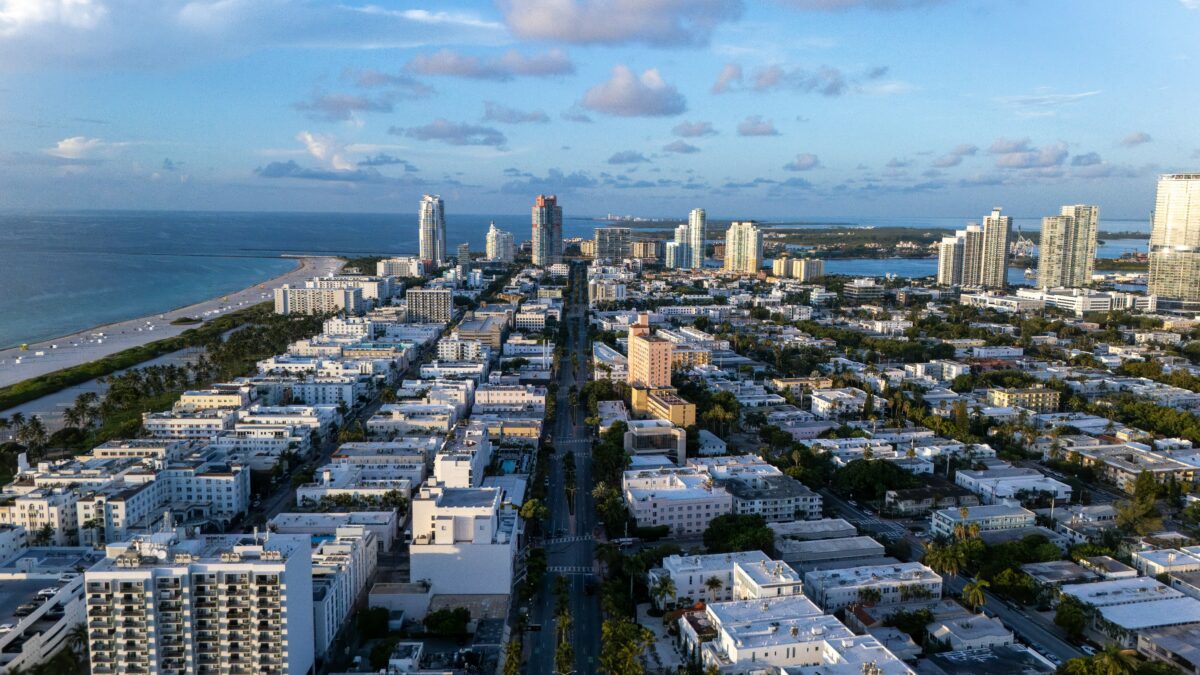
Florida didn’t just gain population in 2023; it became the top destination for income flows across the United States. The state pulled in more net income from people moving in than any other, dwarfing competitors and reshaping regional economic influence. This isn’t a modest trend; Florida’s attractively lower taxes, sunny lifestyle, and relative affordability have turned it into a magnet for high‑earning taxpayers relocating from more expensive states, fundamentally altering its tax base and growth trajectory.
Texas and the Sun Belt Steal the Spotlight from Rust Belt Powerhouses
Beyond Florida, states like Texas, the Carolinas, Tennessee, and Nevada made dramatic gains in wealth migration. These states are benefiting from broad economic shifts as workers seek lower cost of living, growing job markets, and favorable tax environments. The Sun Belt’s rise represents a structural economic shift away from traditional hubs like the Northeast and Midwest, rewriting the map of where financial growth, business investment, and disposable income are concentrated.
California Experiences One of the Biggest Wealth Outflows in the Nation

Once a bastion of American economic might, California is now among the states losing the most wealth to interstate migration. High housing costs, heavy tax burdens, and affordability challenges are pushing residents and their incomes towards lower‑cost alternatives. The scale of outbound wealth underscores mounting economic pressures and raises questions about the long‑term sustainability of states that fail to adapt to these population and fiscal trends.
New York Loses Ground as Residents Take Their Incomes Elsewhere
Similarly, New York is losing substantial income as people leave for more financially attractive regions. Combined with elevated living costs and tax pressures, this outflow suggests that even longstanding financial centers are vulnerable when competitive conditions favor relocation. As earnings shift out of these traditional hubs, states like New York may grapple with slower tax base growth and rising fiscal strain.
Remote Work Has Untethered Income from Geography
The rise of remote and hybrid work has liberated many high‑earning professionals from the need to live near corporate headquarters or traditional industrial centers. Without geography tethering them, workers can chase lower costs and a better lifestyle, taking valuable income with them. This structural change in work culture has accelerated wealth redistribution to more affordable states and submarkets.
Affordability and Taxes Drive the New Wealth Migration Patterns

Underlying this wave of wealth movement is a powerful driver: affordability. Americans are increasingly choosing destinations where housing costs, taxes, and daily expenses stretch their dollars further. This shift isn’t only demographic, it’s deeply financial, as households prioritize economic sustainability and quality of life over legacy prestige. States that fail to address affordability risks continue to experience outflows of income and talent.
Smaller States Show Hidden Winners and Losers
Beyond the headline states, smaller states and regions reveal surprising patterns. Places with modest population levels still attracted meaningful net income flows, often by offering niche advantages such as lower costs, quality of life, or expanding industries. Conversely, several small or mid‑sized states saw relative declines as residents followed broader interstate economic incentives to larger, more dynamic markets.
Housing Supply and Construction Are Key to Attracting Wealth

States gaining wealth aren’t just cheaper; many have actively built up housing supply to meet demand. By supporting new construction and expanding living options, places like Arizona and parts of the Carolinas have become hotspots for inward wealth movement. This trend highlights how housing policy can either attract or repel income and investment, directly influencing economic health and community development.
Middle America Sees Mixed Results in Wealth Movement
Some states in the Midwest and interior regions are seeing more nuanced results. While a few have experienced moderate inbound movements, many are stuck in a holding pattern or losing income altogether. This middle ground reflects broader national pressures: some areas struggle to lure newcomers, while others lose both residents and taxable income, creating economic divergences within the heartland.
The Wealth Fight Between “High‑Cost” and “Low‑Cost” States Is Intensifying
The broader narrative emerging from these shifts is a growing divide between traditionally high‑cost states and their lower‑cost counterparts. States that once dominated economic headlines are now competing with newcomers that offer better value. This isn’t a temporary blip; it’s a structural rebalancing that’s rewriting where wealth is created, stored, and circulated across the U.S., with major implications for future business growth, housing markets, and tax policy.
Wealth migration patterns between 2022 and 2023 reveal a profound transformation in the American economic landscape. The flow of income from historically dominant states toward more affordable, growth‑oriented regions tells us that affordability, lifestyle factors, and work flexibility now play as significant a role as traditional economic power in shaping where wealth lands. As states adapt, or fail to adapt, to these realities, the balance of economic influence across the country will only continue to shift. In this new era, dollars aren’t just moving; they’re choosing where America’s future will be built.