Supreme Court Allows Trump Administration to Turn Back Asylum Seekers at the U.S.-Mexico Border
The Supreme Court has handed the Trump administration a major immigration victory, ruling that federal officials may turn back asylum seekers at the U.S. Mexico border before they step onto American soil. In a decision that immediately reshapes the legal fight over asylum access, the Court said federal law does not force the government to process an asylum claim from a person stopped on the Mexican side of an official port of entry.
The ruling revives the legal foundation for a border management practice known as metering, a policy that limits the number of asylum seekers who may be processed at ports of entry each day. For the administration, the decision preserves what it calls a necessary tool for handling border surges. For immigrant rights advocates, it marks a serious setback for people fleeing persecution who arrive at official crossings expecting to ask the United States for protection.
In a 6 to 3 decision divided along ideological lines, the Court concluded that a migrant “arrives in the United States” only after crossing into U.S. territory. That interpretation overturned a lower court ruling that had required border officials to inspect and process asylum seekers who reached a port of entry, even if officers stopped them before they physically entered the country.
Supreme Court ruling turns on the meaning of “arrives in the United States”

The central legal question was narrow but powerful: when does a person legally “arrive” in the United States?
Federal asylum law allows a noncitizen who is physically present in the United States or who arrives in the United States to apply for asylum, regardless of immigration status. Immigrant rights lawyers argued that people who reached an official border crossing and encountered U.S. officials had effectively arrived for purposes of asylum law. The Trump administration argued that a person still standing in Mexico had not arrived in the United States at all.
The Supreme Court sided with the administration. The majority read the phrase in its ordinary sense, saying that arrival requires entry into the country’s geographic limits. Under that view, a person may approach the border, speak to an officer, and seek protection, but the legal duty to inspect and process the person does not begin until that person crosses the border.
That interpretation is more than a technical reading of statutory language. It gives federal officials broader power to control the physical line at ports of entry. It also allows the executive branch to manage asylum access by deciding how many people can be permitted to cross into U.S. territory for inspection on a given day.
What does the metering policy mean at the border?
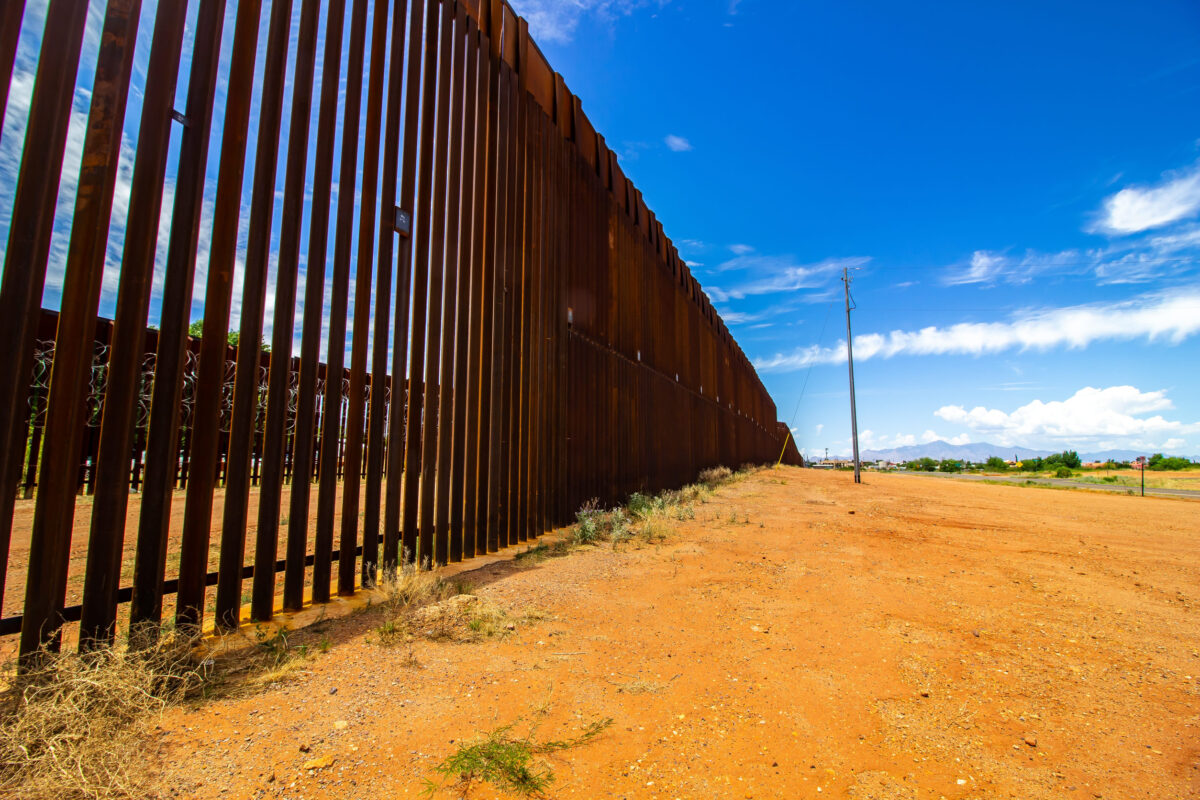
Metering is the practice of limiting the number of asylum seekers processed at official border crossings each day. When officials say a port of entry lacks capacity, officers may stop additional asylum seekers from entering and tell them to wait in Mexico.
The policy began during the Obama administration amid pressure at certain border crossings. It was later formalized and expanded during Trump’s first term, when Customs and Border Protection officers were authorized to limit processing if ports were considered too crowded or unable to safely handle more people. The Biden administration rescinded the formal policy in 2021, but the Supreme Court’s ruling now gives the Trump administration room to reinstate it if officials decide border conditions warrant it.
Supporters of metering say border officers need flexibility. Ports of entry do more than process asylum claims. They screen travelers, inspect vehicles, manage commercial traffic, stop drug trafficking, enforce customs rules, and respond to security threats. When large numbers of asylum seekers arrive at once, the government argues that officers must be able to control the flow to prevent overcrowding, disorder, and unsafe conditions inside federal facilities.
Critics say the policy shifts the danger from U.S. facilities to vulnerable people waiting in Mexico. When asylum seekers are turned away from the border, they may remain for days, weeks, or months in unstable conditions, often without reliable shelter, food, medical care, or legal help. Immigrant rights groups have long argued that metering leaves families exposed to kidnapping, assault, extortion, and exploitation by criminal groups near the border.
Why the asylum case reached the Supreme Court
The legal challenge began in 2017, when thirteen asylum seekers and the immigrant rights organization Al Otro Lado sued the federal government over turnbacks at ports of entry. They argued that U.S. officials unlawfully blocked people from accessing the asylum process by stopping them before they could step onto U.S. soil.
Lower courts largely sided with the asylum seekers. The Ninth U.S. Circuit Court of Appeals held that people who reached a port of entry and encountered U.S. officials could be considered to have arrived in the United States for purposes of asylum processing. That ruling limited the government’s ability to use metering within the Ninth Circuit, which covers several western states, including California and Arizona.
The Trump administration asked the Supreme Court to reverse that interpretation. Government lawyers argued that the lower court had stretched the statute beyond its text. Their position was simple: a person cannot arrive in the United States while still physically in Mexico.
The Supreme Court accepted that argument. By reversing the Ninth Circuit, the justices removed a major legal obstacle to reviving metering as a future border control strategy.
The dissent warns of danger for asylum seekers.
The Court’s liberal justices dissented, warning that the ruling weakens protections for people who arrive at official border crossings to request refuge. Their position was that asylum law should not allow the government to avoid processing duties simply by stopping people inches or feet before they cross the line.
The dissenting view focuses on the practical reality of the border. People fleeing persecution are often told to use lawful ports of entry rather than crossing unlawfully. If they reach those ports and are turned away, critics argue, the government creates a dangerous contradiction: asylum seekers are encouraged to come through official channels, then denied access to the process when they do.
Advocates fear the ruling may push desperate people toward riskier routes. If official ports are blocked or heavily delayed, some migrants may attempt to cross between ports, rely on smugglers, or take dangerous desert and river routes. That concern has followed metering since its earlier use, when long waitlists developed in Mexican border cities and families lived in makeshift camps while hoping for a chance to be processed.