From Kitchen Idea to Thriving Brand: The Real Playbook for Starting a Food Business
The idea often starts in a small, familiar moment. A recipe that gets repeated requests. A kitchen experiment that suddenly tastes like something people would pay for. A dream of opening a café, a bakery, a food truck, or a restaurant that turns passion into income.
But between that first spark and a functioning food business lies a reality many underestimate. Costs rise faster than expected. Competition is constant. Regulations are strict. And customer loyalty is earned one plate at a time, not one post at a time.
Still, the industry continues to expand globally, driven by changing lifestyles, delivery culture, and demand for convenience. Opportunity is not the issue. Execution is.
Here is what it actually takes to turn a food idea into a sustainable business.
The Business Idea That Survives Reality, Not Just Inspiration

Most food businesses begin with emotion. A signature dish. A cultural recipe. A personal passion for hospitality. But successful operators quickly move from emotion to structure.
The first test is simple: can the idea survive outside your kitchen?
A strong concept answers three things clearly: who it is for, why they will choose it, and why they will come back. A bakery targeting office workers looks very different from a late-night street food brand or a premium brunch café. The mistake many new founders make is trying to serve everyone. The businesses that last choose a lane and dominate it.
Why Most Food Businesses Fail Before Opening Day
Failure rarely begins in the dining room. It starts earlier, on paper.
Common early mistakes include underestimating startup costs, overestimating customer demand, ignoring the rent-to-revenue balance, building menus that are too large, hiring too quickly without systems in place, and launching without marketing preparation.
The most overlooked factor is cash flow. Food businesses often become popular before they become profitable. High demand without financial control is still a failure in slow motion.
Choosing the Right Model Changes Everything
Not every food business needs a storefront. In fact, choosing the wrong structure is one of the fastest ways to burn capital.
A food truck offers flexibility but depends heavily on location permissions and weather patterns. A café builds community but requires daily consistency and high labor control. A catering business can scale faster with fewer fixed costs, but it depends on bookings and relationships. A ghost kitchen reduces rent pressure but increases reliance on delivery platforms.
The smartest founders choose based on their reality, not their ambition.
The Menu Is Not Art. It Is Engineering.
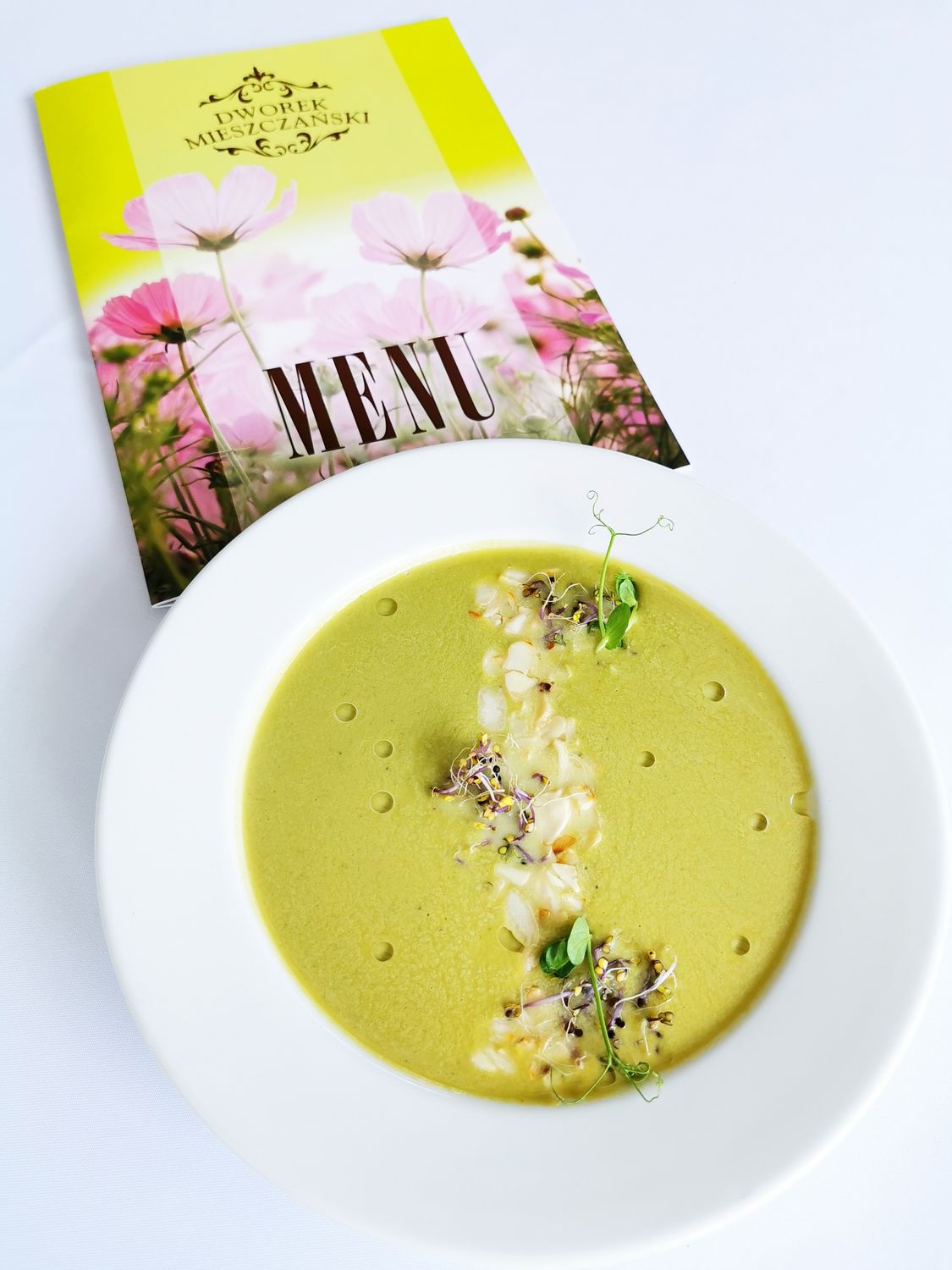
A menu is often treated as a form of creativity. In reality, it is a financial instrument.
Every item must answer how much it costs to make, how long it takes to prepare, how often it will be ordered, whether it uses shared ingredients, and whether it can survive delivery or takeaway.
A profitable food business rarely launches with a long menu. Instead, it starts tight, focused, and repeatable. The goal is not to impress with variety. The goal is to build consistency that scales under pressure.
Location: The Decision That Quietly Decides Everything
The old phrase “location, location, location” still matters, but not in the way most people assume.
A busy street is not automatically a profitable one. High rent is not automatically a bad decision. The real question is alignment between customer flow, accessibility, surrounding businesses, visibility, and rent that matches realistic sales projections.
A great concept in the wrong location struggles silently. A simple concept in the right location thrives consistently.
Behind the Counter: Designing for Speed, Flow, and Survival
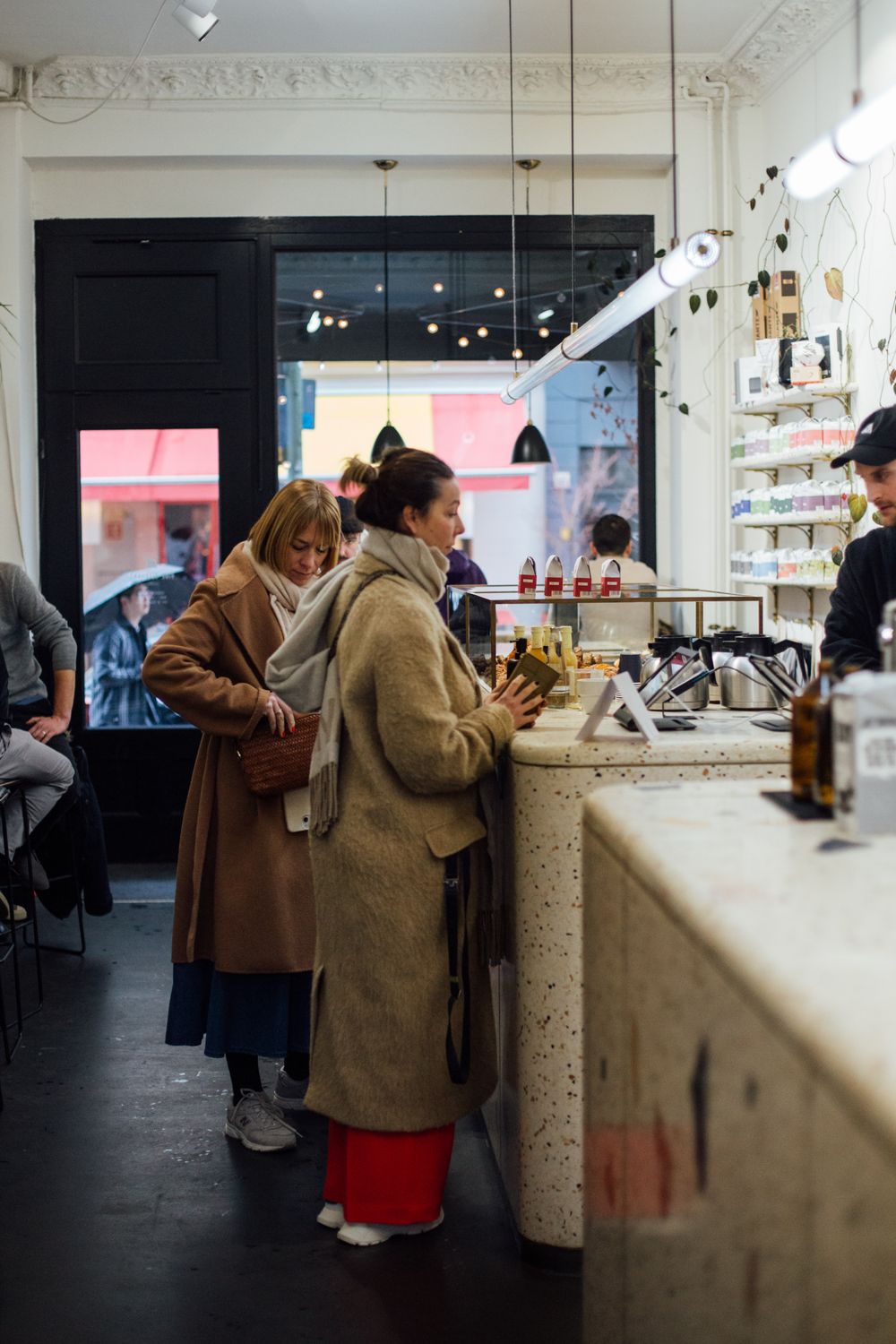
A food business is a system before it is an experience.
The layout determines how fast food moves, how efficiently staff operate, and how smoothly customers are served.
Successful operators design with flow in mind. Ingredients must move logically from storage to prep to cooking. Staff should not cross paths during peak hours. Payment and pickup areas must be clearly separated. Kitchen equipment should support the menu, not fight against it.
If movement inside the space feels chaotic, the business will feel chaotic to customers, even if the food is excellent.
Suppliers Decide More Than You Think
Behind every dish is a chain of suppliers making it possible.
The difference between profit and loss often lies in ingredient pricing consistency, delivery reliability, product quality control, minimum order requirements, and backup supply options.
Smart food businesses never depend on a single supplier for critical items. One disruption should never stop service. Local sourcing often improves freshness and reduces risk, but only if consistency is guaranteed.
The Licensing Stage That Slows Everyone Down
This is where many new founders lose momentum.
Food businesses require approvals that vary by location but commonly include health and food safety permits, business registration and tax compliance, fire and safety inspections, zoning approvals, staff food-handling certification, and liquor licensing where applicable.
The timeline is often longer than expected. Businesses that delay this step often delay their entire launch. Preparation here is not optional. It is foundational.
Hiring for Pressure, Not Just Personality

Food service is a high-pressure environment. The wrong hire can slow down an entire operation.
Successful teams are built on speed under pressure, attention to detail, communication during rush hours, respect for systems and cleanliness, and the ability to handle customer interaction calmly.
Skills can be trained. Attitude is harder to fix.
Strong food businesses document everything: recipes, plating standards, service routines, cleaning schedules, and shift expectations. Without systems, even experienced staff will struggle.
Marketing Starts Before the Doors Open
Waiting until launch day to market a food business is one of the most expensive mistakes.
Modern food brands build awareness early through social media storytelling, behind-the-scenes content, local community engagement, soft openings, and early customer tasting sessions.
The goal is simple. When the doors open, people should already be curious.
A strong launch is not about advertising harder. It is about building familiarity earlier.
Soft Launches Reveal the Truth
Before a grand opening, experienced operators run a soft launch.
This is where reality replaces planning.
During this phase, businesses test kitchen speed under real demand, order accuracy, customer flow, menu clarity, staff coordination, waste levels, and payment systems.
Most operational weaknesses appear here, not later. Fixing them early protects reputation before public attention grows.
The Numbers That Decide Whether You Survive
Food businesses are emotional on the outside and mathematical on the inside.
The most important metrics include food cost percentage, labor cost percentage, daily sales volume, average order value, repeat customer rate, waste levels, and break-even point.
Many businesses that look busy are actually losing money. Without tracking, growth can hide financial instability.
Profitability is not about popularity. It is about control.
The Real Reason Food Businesses Succeed
Successful food businesses are not always the most creative or the most funded. They are the most consistent.
They know their numbers. They control their costs. They train their staff. They refine their menus. They listen to customers. They adapt without losing identity.
Most importantly, they treat food not just as a passion but as a structured business.
Because in this industry, talent opens the door. Systems keep it open.