America’s National Parks Attracted More Than 323 Million Visits as New Data Reveals How People Are Exploring Public Lands
This article was originally published on Crafting Your Home. A human contributor also wrote and edited the post.
From towering mountains and ancient forests to historic landmarks and scenic coastlines, America’s national parks continue to draw millions of visitors searching for adventure, education, and a connection with nature.

Behind every hiking trail, campground, and historic site is a massive collection of data showing how Americans use these public treasures. The National Park Service’s Integrated Resource Management Applications (IRMA) Stats database tracks visitor activity across the national park system, providing detailed information about attendance trends, overnight stays, and park usage patterns. (National Park Service IRMA Stats database)
The latest visitor statistics show just how strong America’s connection with its national parks remains. In 2025, National Park Service sites recorded more than 323 million recreation visits, with visitors spending more than 1.3 billion hours exploring parks across the country.
The numbers reflect more than simple tourism. They show how national parks continue to serve as places where families gather, travelers discover new landscapes and communities benefit from outdoor recreation.
The IRMA Stats system allows researchers, park officials and the public to examine visitation patterns across hundreds of locations. The database includes national summaries, individual park reports and historical records that help show how visitor habits have changed over time.
One of the biggest stories behind the numbers is the continued popularity of America’s most famous parks. Locations such as Great Smoky Mountains National Park, Yellowstone National Park, Grand Canyon National Park and Yosemite National Park remain among the most recognized destinations in the country.
Great Smoky Mountains National Park led national parks in recreation visits in 2025, welcoming more than 11.5 million visitors. Zion National Park followed with nearly 5 million visits, while Yellowstone recorded more than 4.7 million.
These destinations have become symbols of American outdoor culture. Visitors arrive for different reasons, including hiking, wildlife viewing, photography, camping, and simply experiencing landscapes that cannot be found anywhere else.
However, the data also shows that national park popularity extends beyond traditional wilderness destinations.
Some of the most visited sites in the National Park System are not designated as national parks. The Blue Ridge Parkway, Golden Gate National Recreation Area, and other historic or recreational sites attracted millions of visitors because of their accessibility, scenery, and cultural importance.
The growing interest in national parks has created new challenges for park managers. More visitors mean greater demand for trails, roads, campgrounds, visitor centers, and conservation efforts.
Overcrowding in popular areas can affect visitor experiences and place additional pressure on fragile ecosystems. Park officials use visitation data to understand where resources are needed and how to protect natural and historic sites for future generations.
The statistics collected through IRMA also help researchers understand long-term trends. Historical visitation records allow comparisons between different years and reveal how events such as economic changes, travel patterns, and public interest influence park attendance.
National parks experienced a major increase in attention during the pandemic as many Americans looked for outdoor activities. While travel patterns have changed since then, the continued high visitation numbers show that interest in public lands remains strong.
Why It Matters
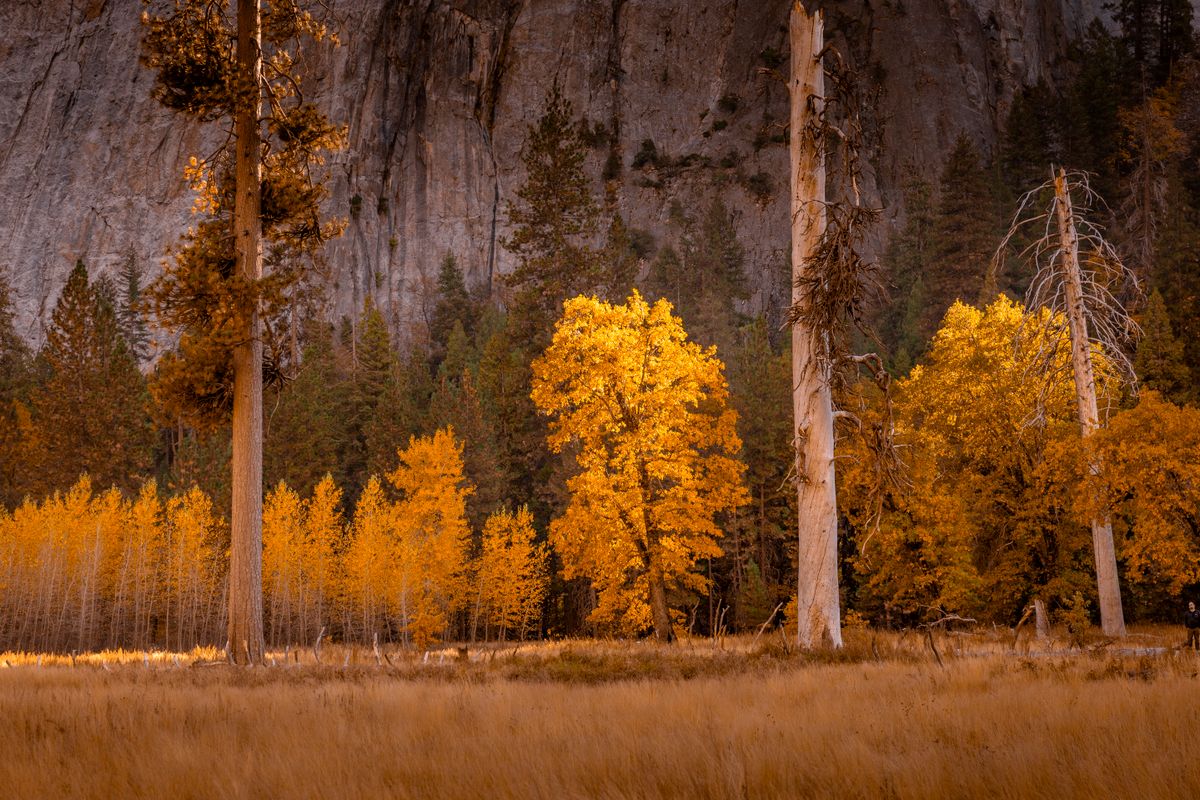
The visitor numbers tell a larger story about America’s relationship with its protected lands. National parks are not simply vacation destinations. They are places where history, science, recreation and conservation come together.
Millions of annual visits also create economic benefits for communities near national parks. Hotels, restaurants, local businesses and outdoor recreation companies often depend on visitors traveling through gateway communities.
At the same time, high demand highlights the importance of protecting these areas. Popular parks must balance public access with conservation responsibilities. More visitors can create opportunities for education and appreciation, but they can also increase challenges involving waste management, wildlife protection, and infrastructure maintenance.
The IRMA Stats database gives officials the information needed to make those decisions. By tracking where visitors go and how they use park resources, the National Park Service can better plan for future needs.
The data also provides a reminder that America’s public lands remain deeply valued. Whether visitors are standing beneath giant trees, walking historic battlefields or watching wildlife in protected habitats, millions of people continue to seek experiences that connect them with the country’s natural and cultural heritage.
As visitation continues to evolve, the numbers collected through IRMA will remain an important record of how Americans explore, appreciate and protect the places held in trust for everyone.
If you like what you just read, then subscribe to our newsletter and follow us on social media.