A Trusted American Snack Became a Hidden Pantry Risk Because of One Ingredient Buried Deep in the Supply Chain
A bag of chips should not make families pause before packing lunch, stocking a pantry, or setting out snacks for guests. Yet the Zapp’s and Dirty Potato Chip recalls have turned a familiar American comfort food into a warning about an invisible risk. One ingredient buried deep in the seasoning supply chain has forced consumers to look at potato chips with a level of caution usually reserved for raw meat, eggs, or spoiled dairy.
The recall involves select Zapp’s and Dirty Brand potato chips made by Utz Quality Foods. The concern traces back to a seasoning containing dry milk powder that may have carried a risk of Salmonella contamination. The affected seasoning batches tested negative before use, but the company still issued a voluntary recall after receiving notice from an outside supplier.
That detail gives the Zapp’s and Dirty potato chip recall a deeper meaning than a routine grocery alert. It shows how one ingredient, far removed from the shopper’s eye, can create concern across brands, flavors, retailers, and homes. In a food system built on speed, scale, and trust, even a small warning can travel quickly from supplier paperwork to the American pantry.
The Snack Aisle Was Never Supposed to Feel This Fragile
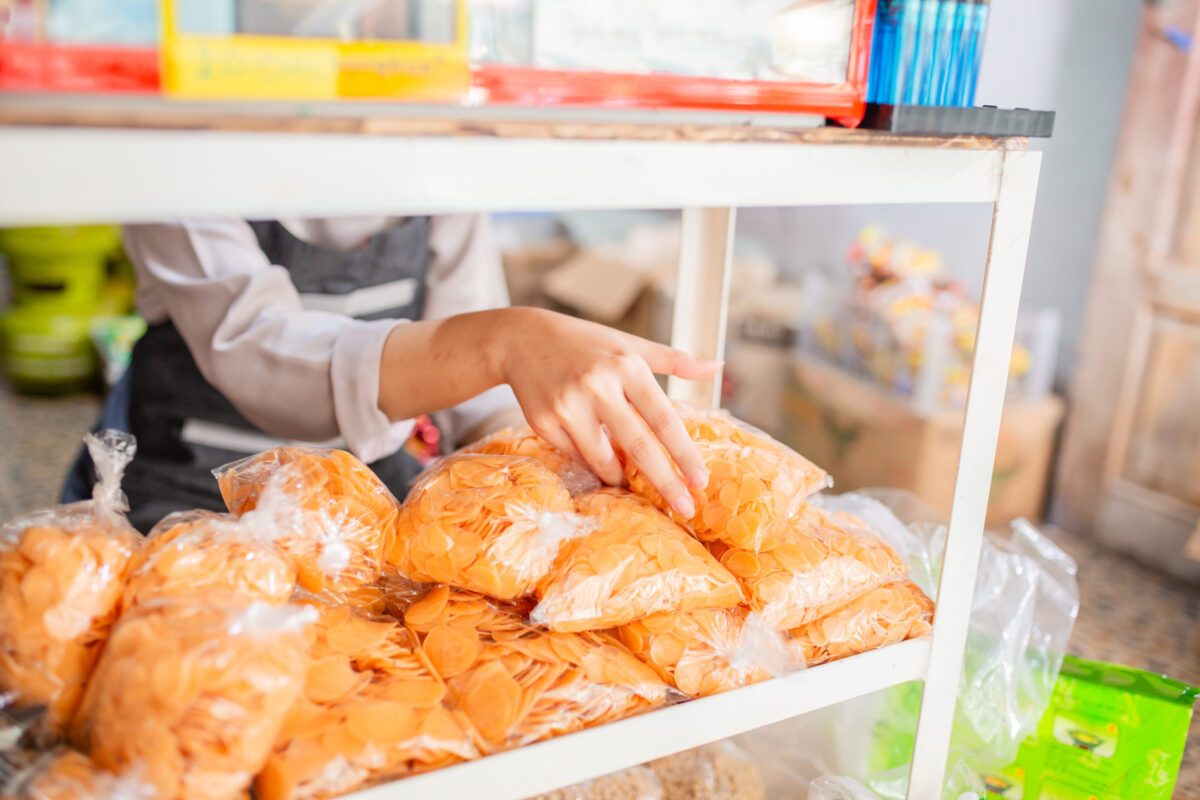
Americans often treat chips as harmless background food. They appear beside sandwiches, burgers, road trip drinks, school lunches, office meals, and summer picnic tables. Few shoppers examine a chip bag with the seriousness they bring to meat labels or milk expiration dates.
That trust explains why the Zapp’s and Dirty Potato Chip recall feels unsettling. Potato chips look stable, familiar, and safe because they sit sealed on shelves for weeks. The product gives no obvious warning through smell, color, or texture.
A recall changes the relationship between the consumer and the product. It asks people to stop trusting the front of the package and start reading the fine print. The brand name becomes less important than the UPC, the best by date, the bag size, and the batch code.
This shift matters because snack foods often move through homes casually. A parent may toss a small bag into a lunchbox before work. A student may grab one from a vending machine. A host may pour several bags into a bowl before guests arrive.
The Zapp’s and Dirty potato chip recall exposes that casual pattern. It reminds consumers that shelf-stable food can still pose a risk when a hidden ingredient comes into question. A sealed pantry item can become a serious concern long before it looks unsafe.
One Seasoning Ingredient Changed the Whole Story
The central concern behind the Zapp’s and Dirty Potato Chip recall does not begin with the potato itself. It begins with seasoning, a part of the product most consumers rarely consider. Flavored chips depend on complex blends that may include dairy powders, spices, acids, flavor carriers, and other processed ingredients.
In this case, the warning involved a seasoning containing dry milk powder supplied through an outside source. That ingredient may seem minor to a shopper focused on the flavor printed on the bag. Yet in modern food manufacturing, a single seasoning component can connect farms, processors, suppliers, manufacturers, warehouses, retailers, and consumers.
This is why the recall extends beyond a single snack brand. A seasoning risk can affect multiple flavors because manufacturers often use related ingredient systems across different products. The issue may begin upstream, but the consumer sees it only when a finished product appears in a recall notice.
The Zapp’s and Dirty Potato Chip recall, therefore, becomes a lesson in supply chain visibility. Consumers see packaging, flavor names, and brand loyalty. They do not see the ingredient testing, supplier alerts, production records, and recall decisions behind the bag.
That hidden structure shapes much of the modern American diet. Ready-to-eat snacks rely on ingredients that may pass through several companies before reaching a production line. When one link raises concern, the warning can land in kitchens across the country.
Why the FDA’s Highest Risk Level Raises the Stakes
The seriousness of the Zapp’s and Dirty Potato Chip recalls increased when the Food and Drug Administration assigned them a Class I classification. That is the agency’s highest risk level. It applies when exposure to a product carries a reasonable probability of serious adverse health consequences or death.
This classification does not mean every recalled bag contains Salmonella. It also does not mean illnesses have already been confirmed. It means the possible hazard is serious enough that consumers should act without delay.
That distinction matters. Many recalls compete for public attention, and some fade quickly because shoppers see them as routine warnings. A Class I recall should not fall into that category.
The Zapp’s and Dirty potato chip recall demands closer attention because Salmonella can cause serious illness in vulnerable people. Children under five, adults 65 and older, and people with weakened immune systems face a greater risk. For these groups, a foodborne infection can move beyond discomfort and require medical care.
The practical message remains direct. Do not eat recalled chips. Do not serve them to guests. Do not donate them, keep them in shared snack baskets, or leave them where children may find them.
The Recall Is Also a Lunchbox Problem
The Zapp’s and Dirty Potato Chip recall becomes more personal when viewed through the lens of the school lunchbox. Small chip bags are easy to pack, easy to store, and easy to forget. Parents often choose them because they are sealed, familiar, and convenient.
That convenience now carries a warning. A recalled snack may already be inside a backpack, daycare cubby, sports bag, or summer camp lunch before a parent sees the notice. The risk is not limited to what remains on store shelves.
Children make this issue more sensitive. Federal health guidance has long identified young children as more vulnerable to severe Salmonella illness. A snack that seems ordinary can become more troubling when it reaches someone with less ability to tolerate infection.
The Zapp’s and Dirty potato chip recall also reaches office drawers and break rooms. Many adults store small bags of chips near desks, in shared kitchens, or in vending areas. These are spaces where packaging may disappear quickly, and few people know who bought the snack.
Shared food makes recall control harder. One person purchases the product, but many people may eat it. Once the chips move into a bowl or basket, the details needed to identify the recall may vanish.
Summer Snacking Makes the Warning More Urgent
The timing of the Zapp’s and Dirty Potato Chip recalls matters because summer is peak snack season in America. Chips appear at cookouts, road trips, graduations, pool gatherings, sports tournaments, and holiday weekends. They are one of the easiest foods to buy, open, share, and forget.
That pattern increases the chance of confusion. A recalled bag, when poured into a serving bowl, loses its UPC, best-by date, and batch code. Guests may eat the chips without knowing the brand or flavor that came from the original package.
This is one of the quiet dangers in any snack recall. The product often separates from its label before anyone thinks to check it. Once that happens, tracing the risk becomes nearly impossible for ordinary households.
The Zapp’s and Dirty Potato Chip recall should change how hosts handle packaged snacks during active food alerts. Bags should be checked before opening, especially when serving children, older adults, or guests with health concerns. Keeping the package nearby until the food is gone is a simple but useful habit.
Restaurants, caterers, schools, churches, and event organizers should also pay attention. Small bags can sit in bulk boxes or storage rooms after the recall news spreads. A forgotten case in the back room can keep a recalled product in circulation.
“No Reported Illnesses” Does Not Remove the Risk
One reassuring detail in the Zapp’s and Dirty potato chip recall is that no illness complaints had been reported to Utz in connection with the recalled products. That matters, but it should not create false comfort. Foodborne illness reporting often lags behind consumer behavior.
Many people who develop stomach symptoms never know the cause. They may blame a restaurant meal, a virus, travel, stress, or another food eaten the same day. Mild cases may never reach a doctor, and some severe cases may take time to investigate.
This is why recalls often work best before illness reports appear. The goal is prevention, not proof after harm occurs. A company does not need a confirmed sickness to remove a product when the possible risk is serious enough.
The Zapp’s and Dirty Potato Chip recall shows the value of early action. The company recalled the products after supplier notification, even though the affected seasoning batches had tested negative before use. That decision reflects the caution built into modern food safety systems.
Consumers should read “no reported illnesses” as an opportunity. It means people still have time to check their homes and remove affected products. It does not mean the recall can be ignored.
Salmonella Turns a Simple Snack Into a Health Concern
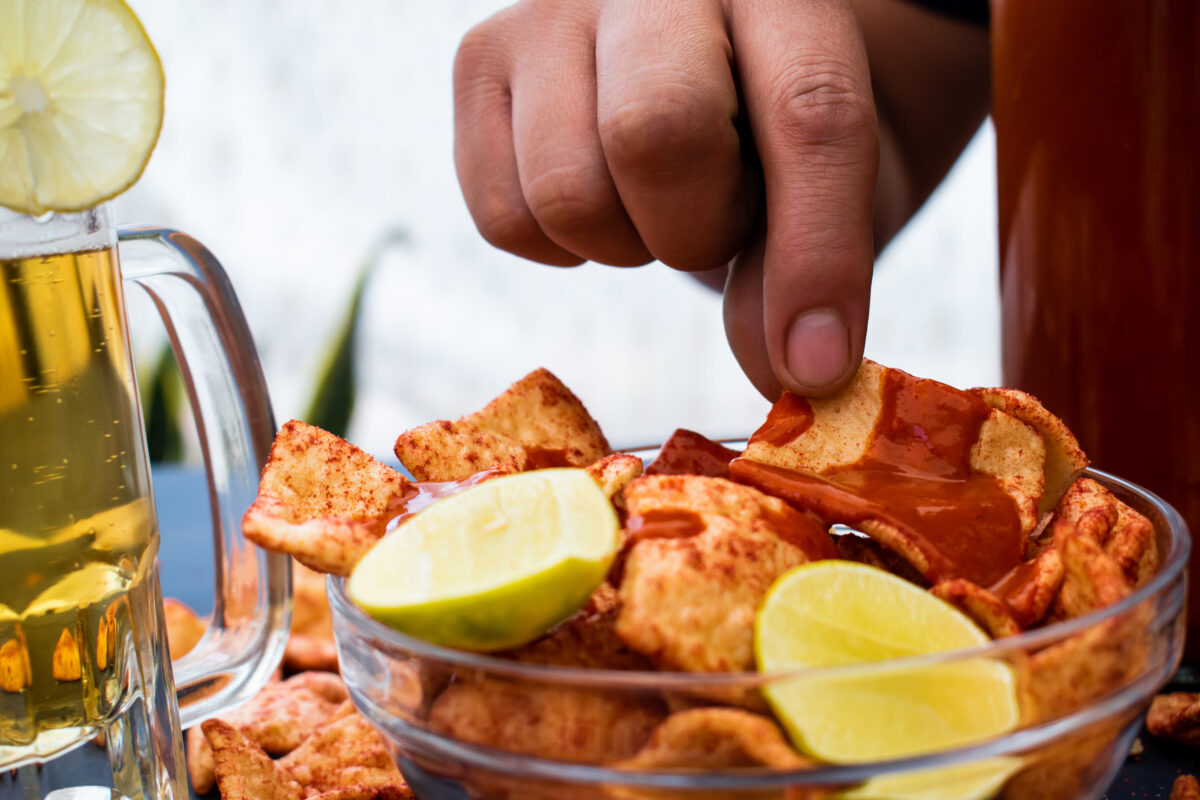
Salmonella is one reason the Zapp’s and Dirty potato chip recall deserves careful attention. The bacteria can cause diarrhea, fever, stomach cramps, nausea, vomiting, headache, and loss of appetite. Symptoms can begin within hours, but they may also appear several days after exposure.
That delayed onset makes the illness difficult to trace. A person may eat a recalled snack on one day and feel sick later, when the connection is no longer obvious. This is why clear recall communication matters.
Most healthy adults recover without major treatment, but that does not make Salmonella harmless. Severe dehydration, persistent diarrhea, high fever, and worsening symptoms can require medical care. The risk rises for young children, older adults, and people with weakened immune systems.
The Zapp’s and Dirty Potato Chip recall should therefore be treated as more than a brand story. It is a public health reminder about how foodborne illness can enter ordinary routines. A snack does not need to look dangerous to deserve caution.
Families should monitor symptoms if someone may have eaten a recalled product. Medical advice becomes especially important when symptoms are severe, prolonged, or involve a high-risk person. Attention in the first few days can make a meaningful difference.
The Fine Print Has Become the Consumer’s Last Defense
The hardest part of the Zapp’s and Dirty potato chip recall may be the label check itself. Consumers must compare the brand, flavor, size, UPC, best-by date, and batch code. That information can be small, faint, or printed along a folded seam.
This creates a practical problem in food safety. A recall may be public, but consumers still need to identify whether a specific item in their home matches the notice. If they cannot read the code, the warning loses strength.
The recall includes select Zapp’s Bayou Blackened Ranch, Zapp’s Salt and Vinegar, Zapp’s Big Cheezy, Dirty Salt and Vinegar, Dirty Maui Onion, and Dirty Sour Cream and Onion products. The affected items vary by bag size and date. That means flavor alone is not enough.
Consumers should check pantry shelves, lunch supplies, travel bags, office snacks, garage storage, and multipack cases. The Zapp’s and Dirty potato chip recall may involve products purchased days or weeks before the warning gained attention. A bag can remain unnoticed long after it leaves the store.
If a product matches the recall details, it should not be eaten. Consumers should discard it or follow the company’s refund instructions. Retailers should remove affected items from shelves, displays, stockrooms, and vending supply areas.
A Bigger Warning About America’s Food System
The Zapp’s and Dirty Potato Chip recall points to a broader truth about the American food system. Consumers do not buy only food. They buy trust in every company and supplier that handled the product before it reached the shelf.
That trust is difficult to evaluate from the grocery aisle. Shoppers cannot inspect seasoning suppliers, test ingredient lots, or review production records. They depend on companies, regulators, and retailers to detect risk quickly and communicate clearly.
Food recalls reveal both the strength and weakness of that system. The strength is that warnings can be issued quickly when a potential hazard appears. The weakness is that ordinary consumers become the final checkpoint.
This final checkpoint role is uncomfortable. A parent, office worker, store clerk, or party host may need to make a safety decision based on tiny numbers printed on a crinkled bag. That responsibility feels small until the recall involves the snack already sitting at home.
The Zapp’s and Dirty potato chip recall should leave consumers more alert, not more fearful. It shows that food safety begins long before a product reaches the pantry, but it often ends with a person reading a label at the kitchen counter. In a country built on convenience, the quiet question now is how much hidden risk Americans are willing to accept inside the foods they trust most.