July 4 Chaos Looms as Americans Told to Skip Beaches and Limit Flag Displays Under New Warnings
A Fourth of July Weekend Hit by Disruption and Public Safety Alerts
A major Independence Day celebration has taken an unexpected turn in parts of Massachusetts, where officials are warning residents to avoid popular beaches and reconsider holiday plans due to environmental hazards and infrastructure failures. What was expected to be a festive July 4 weekend has instead turned into a situation marked by beach closures, concerns about sewage contamination, and rising public frustration.
In communities including Newburyport and Plum Island, residents are now facing restricted access to coastal areas just days before peak holiday travel. At the center of the disruption is a serious wastewater incident that has raised environmental and health concerns, forcing authorities into emergency response mode.
Massive Sewage Spill Triggers Plum Island Beach Closure
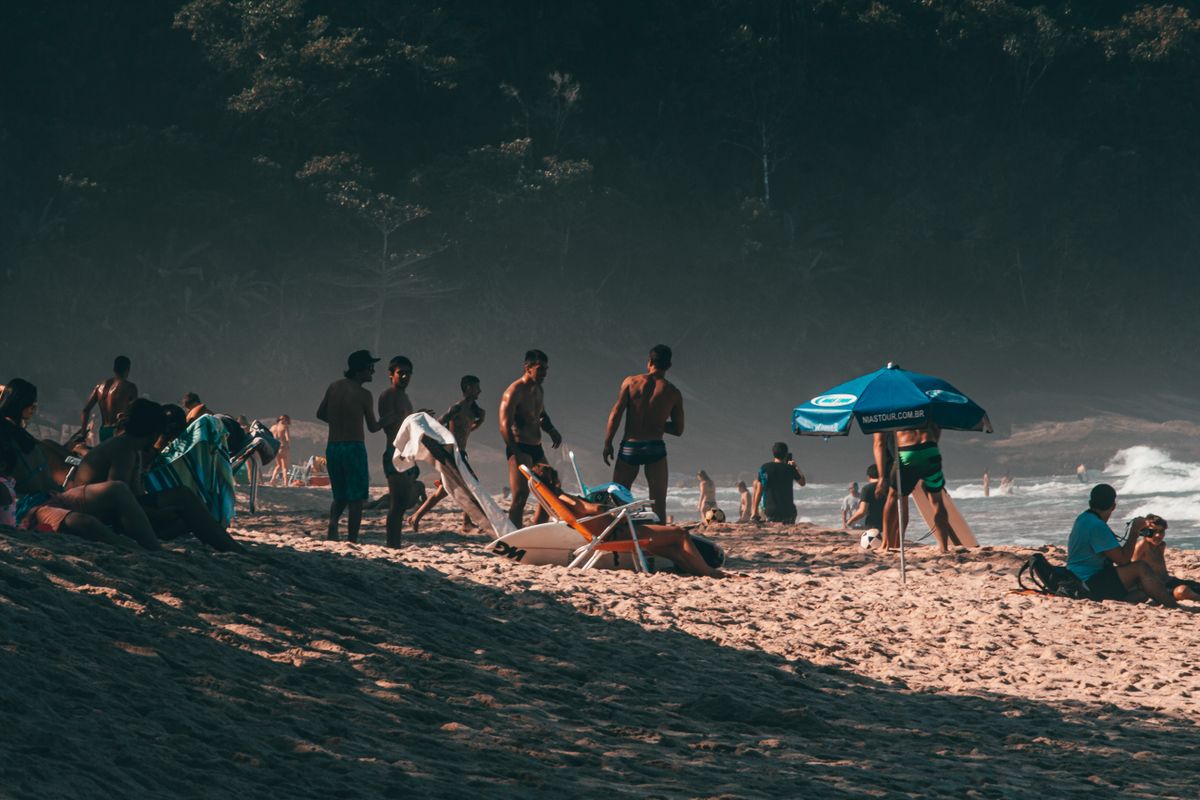
One of the most significant developments is the closure of Plum Island Beach, a popular summer destination, following a large-scale sewage incident that contaminated nearby waterways. Officials confirmed that approximately 60,000 gallons of wastewater were accidentally discharged into the Merrimack River during sewer separation work in Haverhill. The incident was linked to a contractor error in which wastewater was mistakenly routed into a storm drainage system.
This mistake immediately triggered environmental alarms, especially as the discharge flowed toward the Atlantic coastline, where Plum Island Beach sits at the river’s mouth. Authorities quickly ordered the beach to be closed, initially treating it as a precautionary measure. However, the situation escalated rapidly as infrastructure damage was discovered in the regional sewer system.
Broken Sewer Line Releases Millions of Gallons Daily
What initially appeared to be a contained incident soon worsened when engineers identified two major breaks in a 42-inch sewer line. According to the Haverhill Department of Public Works, the damaged pipe is now releasing an estimated 8 to 10 million gallons of untreated wastewater per day into the system until emergency repairs are completed.
Officials have described the situation as one of the most serious infrastructure failures in recent years, requiring immediate installation of bypass systems to redirect flow around the damaged section. Despite aggressive repair efforts, authorities have warned that full containment may not be completed before the July 4 holiday weekend.
Beach Reopening Plans Delayed as Contamination Persists
Even though crews are working around the clock to restore the sewer system, environmental officials have made it clear that reopening Plum Island Beach will not happen immediately. The primary concern is lingering contamination in the water, which could remain hazardous even after physical repairs are completed. Water quality testing must confirm that bacterial levels have returned to safe conditions before any public access is restored.
Health officials have emphasized that exposure to contaminated water could lead to a range of illnesses, including Nausea and vomiting, Respiratory irritation, Eye infections, and Ear and skin irritation. Because of these risks, officials are urging residents to avoid all contact with affected coastal waters until further notice.
July 4 Holiday Plans Disrupted for Thousands of Residents
The timing of the crisis has created significant disruption for holiday travelers who traditionally flock to Massachusetts beaches for Independence Day celebrations. Local residents and tourists had expected Plum Island and surrounding coastal areas to be open for swimming, fireworks viewing, and summer recreation. Instead, they are now being told to stay away entirely.
This has led to widespread frustration among business owners, seasonal workers, and families who rely on July 4 weekend tourism for income and recreation. Hotels, restaurants, and rental properties in the region are also expected to feel the financial impact of reduced beach access during one of the summer’s busiest weekends.
Flag Controversy Adds to Public Frustration
Alongside the environmental crisis, residents have also expressed anger over a separate controversy involving American flag displays during the holiday period. While details vary by community interpretation, some residents claim confusion or disagreement over local guidelines regarding flag placement and public displays during the July 4 celebrations.
For many locals, the timing of both issues has intensified frustration. What should be a patriotic holiday filled with celebration has instead become a period of uncertainty, restrictions, and public debate. Social tensions have risen as residents voice concerns about whether official responses adequately balance safety regulations with traditional Independence Day observances.
Emergency Response and Repair Efforts Underway
City and state infrastructure teams are currently focused on stabilizing the sewer system and preventing further environmental damage. Key emergency actions include: Installation of temporary bypass pipelines, Continuous monitoring of wastewater flow, Emergency environmental testing in affected waterways, and coordination between municipal and state agencies. Officials have stated that the priority remains restoring the integrity of infrastructure before reopening any public recreation areas.
However, engineers have warned that full recovery may take longer than initially expected, depending on weather conditions, equipment availability, and the extent of underground damage.
Health Officials Issue Strong Public Safety Warnings
Health departments across the region have issued firm advisories urging residents and visitors to avoid contact with contaminated water. Authorities stress that exposure risks are not limited to swimming, but may also include: Boating in affected waters, Fishing near contaminated zones, Beach recreation along closed areas, Any direct contact with river discharge zones.
Officials are emphasizing that even brief exposure could pose health risks due to bacterial contamination levels associated with untreated wastewater.
Economic and Community Impact of the Closure
Beyond environmental concerns, the situation is also creating a ripple effect across the local economy. Businesses dependent on seasonal tourism are expected to experience reduced foot traffic, particularly during what is normally one of the year’s most profitable weekends.
Impacts include: Reduced beach tourism revenue, canceled hotel bookings, Lower restaurant and retail activity, and disruption of scheduled holiday events. Local officials acknowledge that recovery will extend beyond infrastructure repairs, requiring time for public confidence and tourism activity to return.
Repairs, Testing, and Reopening Timeline
Authorities have not provided a firm reopening date for Plum Island Beach, citing the need for thorough environmental testing before any public access is restored. The immediate priorities include: completing the emergency sewer bypass installation, preventing further wastewater discharge, conducting multi day water quality testing, and obtaining clearance from environmental regulators.
Only after these steps are completed will officials consider reopening the beach to the public.
A Holiday Weekend Overshadowed by Infrastructure Failure
What was expected to be a celebratory Independence Day weekend in Massachusetts has instead turned into a complex emergency involving environmental damage, infrastructure breakdown, and public safety concerns. The combination of a major sewage spill, ongoing pipeline failure, and beach closures has left residents frustrated and uncertain about holiday plans.
As crews race to repair the system and restore water safety, the situation serves as a reminder of how quickly aging infrastructure failures can disrupt communities, especially during peak travel and tourism periods like July 4. For now, residents are being urged to prioritize safety, follow official advisories, and wait for confirmed clearance before returning to affected coastal areas.