NYC and New Jersey’s Ultimate Food Scene: Where Every Bite Tells a Story
If there is one place in the United States where food never stands still, it is the New York City and New Jersey dining scene. Every block hides restaurants worth talking about, every neighborhood carries its own flavor identity, and every meal becomes part of a much larger cultural story. We are not just eating here; we are constantly discovering.
From late-night pizza slices in Manhattan to family-run diners in New Jersey suburbs, from bold immigrant kitchens in Queens to waterfront dining in Hoboken, this region does not simply serve food. It serves experiences shaped by culture, migration, tradition, and constant reinvention.
Why NYC and New Jersey Remain America’s Food Capital

What makes this region truly unmatched is not only the number of restaurants but also the collision of cultures on every street corner. In a single day, we can move between Korean barbecue in Koreatown, Dominican comfort food in the Bronx, high-end French dining in Manhattan, and a century-old Italian deli tucked into a quiet block.
New Jersey strengthens this identity with its own powerful dining ecosystem. Diner culture remains alive and well; pizza traditions run deep, Indian food hubs are world-class, Portuguese seafood is exceptional, and suburban restaurants often rival big-city kitchens in quality and consistency. Together, NYC and New Jersey form one continuous, high-pressure, high-reward food region where only the strongest restaurants survive.
How We Decide Where to Eat in a Crowded Dining Landscape
In a region overflowing with options, choosing where to eat becomes a skill. We do not rely on hype alone. Instead, we look for consistency, flavor depth, value alignment, service quality, and whether a restaurant fits the moment we are in.
A place that works for a loud weekend dinner may fail completely as a quiet weekday escape. A restaurant built for takeout efficiency may not deliver the same experience when dining in. Understanding these differences is what turns random dining into intentional discovery.
The NYC Dining Experience: Fast, Competitive, and Brilliant
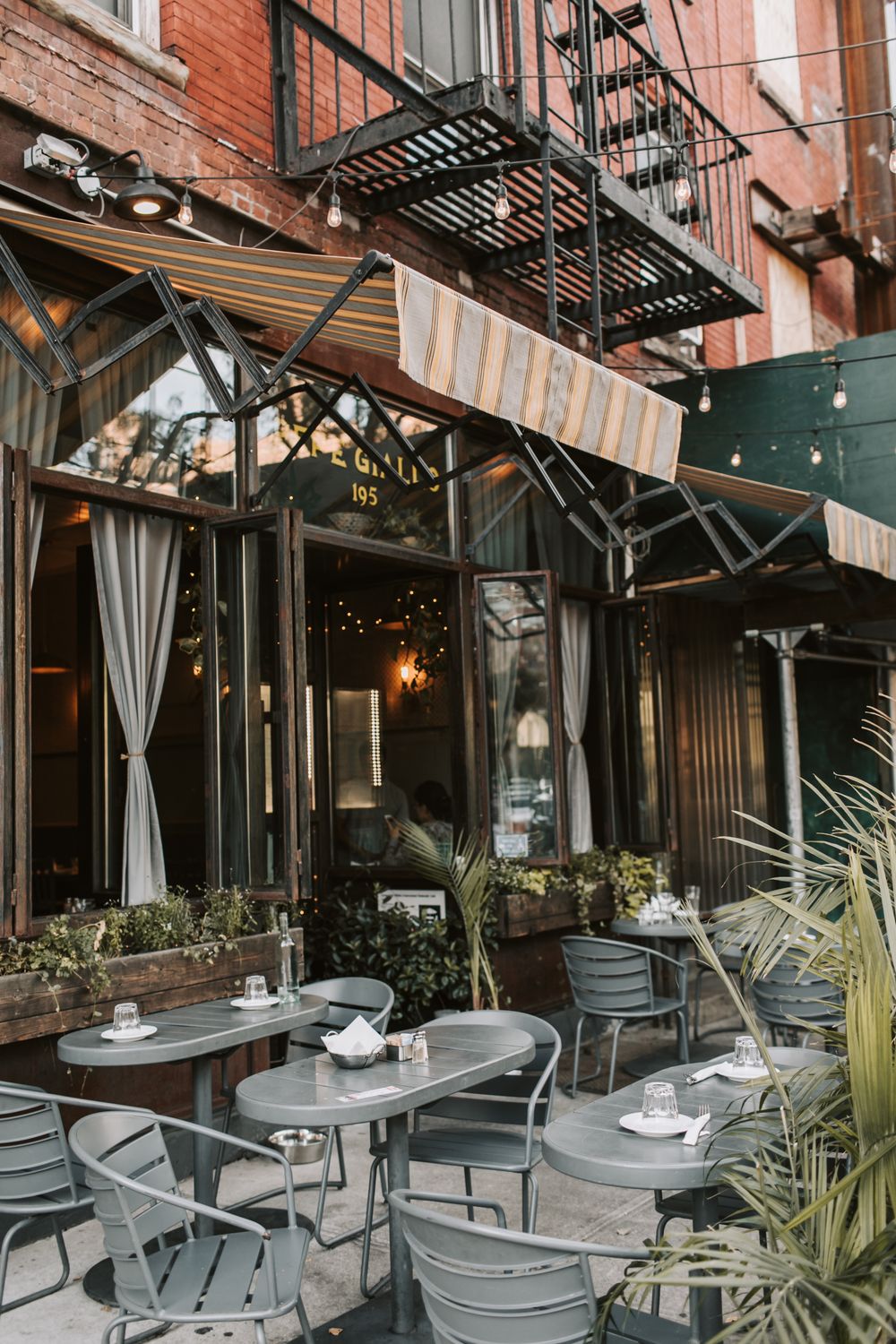
New York City restaurants operate under constant pressure. The market is unforgiving, the audience is diverse, and expectations are extremely high. That is why the food scene feels so dynamic.
We see three defining layers of NYC dining culture: long-standing classics that have endured for decades, global kitchens representing every corner of the world, and trend-driven restaurants that constantly push culinary boundaries. From street carts to Michelin-level kitchens, the rule is simple: if the food is not strong, it does not last.
New Jersey’s Quiet but Powerful Food Identity
While New York often dominates the conversation, New Jersey builds loyalty through consistency and authenticity. The state offers a different rhythm of dining: less chaotic, more grounded, and deeply community-driven.
In Jersey City and Hoboken, waterfront dining and modern bistros attract urban crowds. Newark brings bold Portuguese, Brazilian, and Latin American flavors. Edison stands as a major hub for Indian cuisine. Fort Lee delivers some of the strongest Korean dining outside of Seoul. Across suburban towns, diners and family restaurants continue to define everyday eating. New Jersey does not chase attention; it earns repeat visits.
What Makes a Restaurant Worth Returning To
A memorable restaurant is never defined by a single factor. It is a combination of details that stay with us long after the meal ends. We return to places where a dish lingers in memory, where service feels natural rather than scripted, where menus feel focused instead of overwhelming, and where pricing matches the experience delivered.
Great restaurants do not try to impress in every direction. Instead, they perfect a few things and repeat them with confidence.
The Natural Flow of Food Discovery
Every dining journey in NYC and New Jersey follows a rhythm of curiosity, exploration, evaluation, and return decisions. It begins with curiosity about a cuisine or neighborhood, continues with research and selection, leads to the dining experience itself, and ends with a simple internal question: would we come back?
If the answer is yes, the restaurant enters our rotation. If not, we move forward. The cycle never really ends because the region never stops evolving.
The Food Categories That Define the Region

Pizza culture remains one of the strongest identities in both NYC and New Jersey, ranging from thin, foldable slices to coal-fired and Neapolitan styles. Bagels and bakeries shape daily routines, especially in the mornings when freshness matters most.
Diners, particularly in New Jersey, remain cultural anchors, with menus that stretch across breakfast, lunch, and dinner without interruption. Global street food continues to thrive, offering quick access to bold flavors from around the world. Fine dining also maintains a strong presence, delivering curated tasting experiences designed for special occasions and culinary exploration.
Why Location Shapes the Entire Dining Experience
In this region, where a restaurant is located often matters as much as what it serves. A spot near a transit hub caters to commuters. A waterfront restaurant leans into leisure dining. Neighborhood kitchens depend on regulars. Fine dining spaces in Manhattan often serve milestone occasions.
This means the same restaurant can feel completely different depending on when and why we visit. Context becomes part of the meal itself.
Experience-Driven Dining Is Redefining Expectations
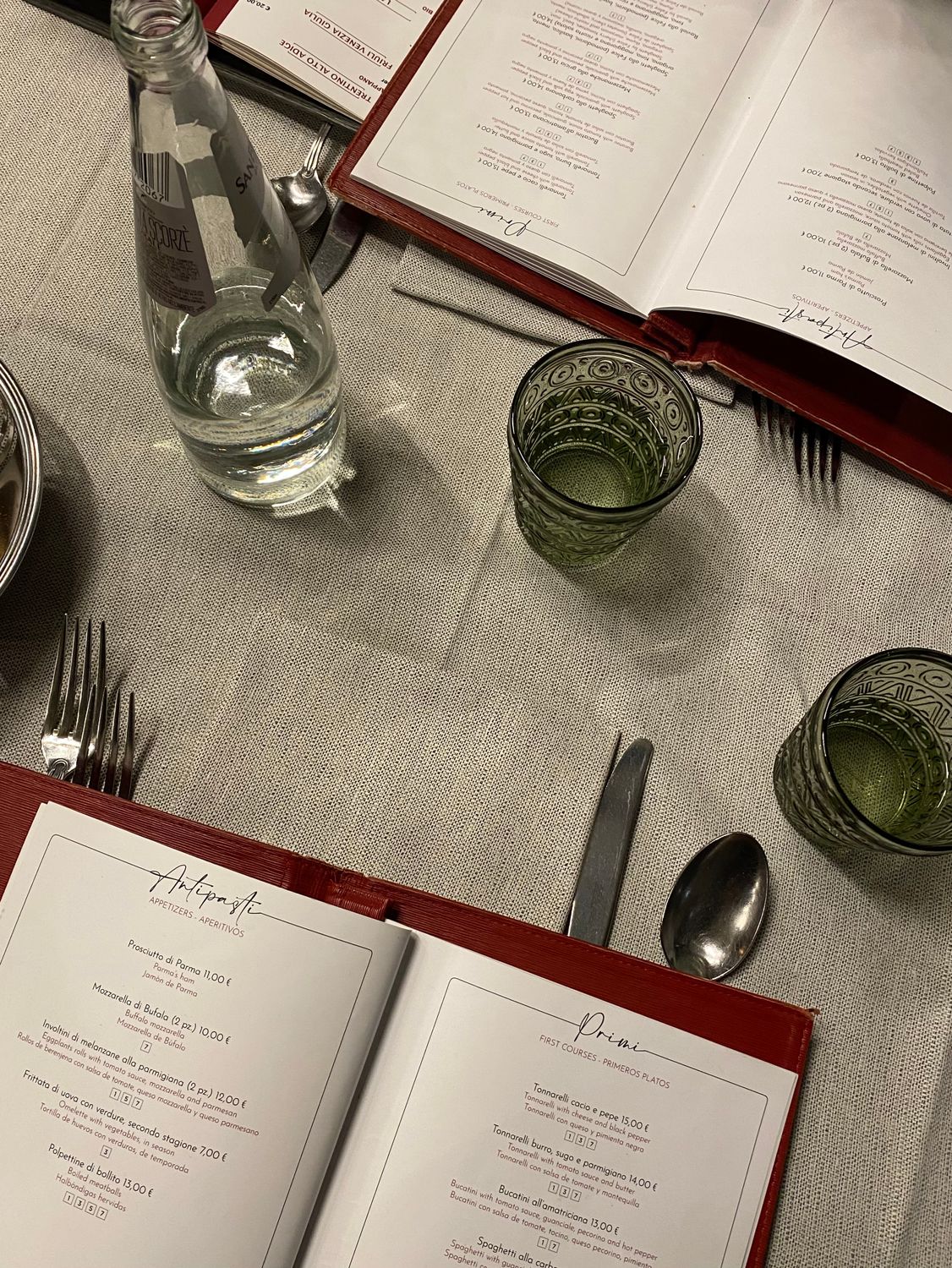
Modern diners expect more than good food. We expect intention behind the atmosphere, storytelling through menus, personality in execution, and dishes that feel memorable rather than routine.
Restaurants are no longer competing only on taste. They are competing on emotional impact. In NYC and New Jersey, where competition is intense, experience has become just as important as flavor.
A Practical Way to Judge Any Restaurant
When evaluating a restaurant, we naturally focus on four key pillars: flavor quality, consistency across visits, value for the price, and the memorability of the experience. If a restaurant performs well across all four, it earns long-term relevance. If it fails in one or more areas, it becomes a one-time visit.
This simple structure helps separate hype from real value in a crowded food landscape.
Why Food Writing Still Matters in a Fast-Scroll World
In an era dominated by short videos and quick ratings, detailed food writing remains essential. A clip can show melting cheese or a plated dish, but it cannot explain timing, balance, service quality, or whether a restaurant is truly worth returning to.
Thoughtful food writing provides context, helping readers make decisions based on real understanding rather than surface impressions. It slows the process down just enough to make it meaningful.
The Direction of NYC and New Jersey Dining
The future of dining in this region is moving toward smaller, more focused menus, stronger immigrant-led culinary innovation, neighborhood-first restaurants, casual luxury dining, and increased emphasis on sustainability.
Despite constant change, one thing remains unchanged: this region’s deep commitment to food as culture, identity, and daily life.
Reflection on a Region That Never Stops Eating
NYC and New Jersey remain among the most active and competitive food ecosystems in the world. Every restaurant is part of a larger story shaped by people, neighborhoods, and constant reinvention.
We are not just moving through menus. We are moving through cultures, histories, and experiences that continue to evolve with every meal.
And in this region, there is always another table waiting.