Florida activist turns “Joe Snitch” into a new weapon for renters stuck in unsafe homes.
For many Florida renters, the scariest part of a bad apartment is not the broken stairwell, the spreading mold, or the plumbing that refuses to work. It is the fear of what happens after they complain. A landlord knows their name. A manager controls their lease. A rent increase, a cold shoulder, or a sudden notice on the door can feel like a real threat when the person complaining is already living paycheck to paycheck.
That fear is exactly where South Florida activist Chaz Stevens says his newest project is aimed. Stevens, a Deerfield Beach figure known for using laws in uncomfortable and theatrical ways, has launched a code compliance service called Joe Snitch to help people report unsafe properties. Patch reported that the service allows residents to submit complaints through Stevens, who then files them under his own name and address.
The idea grew out of a Florida law that changed how code complaints work. Senate Bill 60, which took effect July 1, 2021, bars local code officials from starting investigations based on anonymous complaints and requires people reporting possible violations to provide identifying information before an investigation can begin.
For homeowners angry about a neighbor’s messy yard, that may sound like paperwork. For a tenant reporting unsafe housing, Stevens argues it can feel like exposure. Joe Snitch is designed to step into that gap.
A provocative name with a serious target

Stevens has never built his public image around politeness. Patch described his activism as a form of “malicious compliance,” using the exact wording of laws to expose what he sees as their weak spots. His past campaigns have included religious-display protests and challenges involving public institutions, but Joe Snitch is less about spectacle and more about leverage.
The service is not meant for every neighborhood annoyance. According to Patch, Stevens says the effort is focused on serious housing problems such as mold, dangerous stairways, faulty plumbing, and other health or safety concerns.
That distinction matters. Florida’s rental laws already require landlords to meet applicable building, housing, and health codes. Where those codes do not apply, landlords are required to keep roofs, windows, doors, floors, steps, porches, foundations, structural components, and plumbing in proper working condition.
The Lake Mary crisis sharpened the mission.
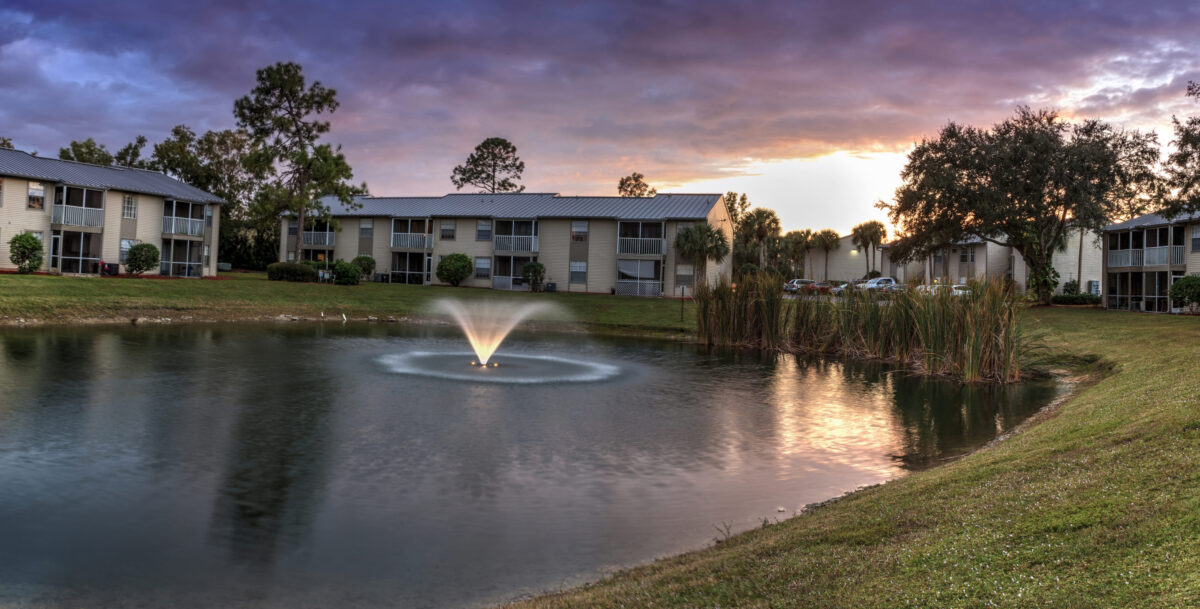
The urgency behind Joe Snitch intensified after problems at Pebble Creek at Lake Mary, a Central Florida apartment complex where residents faced major safety concerns after a fire and structural issues. Patch reported that the situation helped Stevens refocus Joe Snitch toward renters who may have the least power to complain.
In June, ClickOrlando reported that some Pebble Creek tenants were given 7 days to vacate their units after Seminole County Code Enforcement deemed them unsafe. Residents described the move as rushed and said they worried about carrying belongings down stairways already considered unsafe.
That kind of case explains why a code complaint can be more than a bureaucratic form. For renters, it can be the difference between staying silent in a dangerous building and forcing an inspection before something worse happens.
Why do low-income renters face the hardest choice?
Stevens now wants Joe Snitch to be free for low-income renters through a GoFundMe campaign that would cover the cost of complaints for those who cannot afford the service, according to Patch.
That detail is central to the story. Unsafe housing often hits hardest where renters have the fewest options. A tenant with savings can move. A tenant with family nearby may have somewhere to sleep. But a renter with no cushion may have to choose between risking retaliation and enduring conditions that could affect their health, safety, and dignity.
Florida law gives tenants tools, but tools only matter when people can use them. Under Florida Statute 83.56, if a landlord materially fails to meet maintenance obligations and does not comply within seven days after written notice, a tenant may be able to terminate the rental agreement; if a unit is untenantable and the tenant leaves, rent may not be owed while it remains uninhabitable.
Still, the law does not erase fear. A renter may not know how to document a problem, where to file, or whether a complaint will make life harder. Joe Snitch is built around that hesitation.
A test of Florida’s housing safety system
The bigger question is not whether one activist can solve the problem of unsafe housing in Florida. He cannot. The real question is whether renters have a reporting system that feels safe enough to use.
When anonymous complaints disappeared, lawmakers created more transparency for property owners facing accusations. But in rental housing, transparency can cut both ways. It may prevent frivolous complaints, but it can also discourage legitimate ones from tenants who fear the person they are reporting.
That is why Joe Snitch has drawn attention. It turns a law meant to require names and addresses into a workaround: the complaint still has a name, but not necessarily the tenant’s. Stevens says that the structure complies with the law while protecting renters who might otherwise stay quiet.
For cities and counties, the rise of a service like this should be a warning sign. If renters need a middleman to report mold, broken stairs, unsafe wiring, or collapsing structures, the official process may be too intimidating for the people it is supposed to protect.
The bottom line
Joe Snitch is loud, blunt, and intentionally uncomfortable. But beneath the name is a simple argument: no renter should have to gamble their housing security to report a dangerous home.
Florida’s rental market is already expensive and competitive. For tenants living in unsafe apartments, the pressure can be suffocating. Stevens’ project may not fix every broken stairwell or leaking pipe, but it draws fresh attention to a problem that often hides behind closed doors: unsafe housing endures when renters feel too afraid to speak.
If Joe Snitch succeeds, its biggest impact may not be the number of complaints it files. It may be the message it sends to landlords, cities, and tenants across Florida: silence is no longer the only option.