Dangerous Fourth of July Heat Wave Puts More Than 250 Million Americans in the Danger Zone
The Fourth of July is supposed to feel like smoke from backyard grills, kids chasing glow sticks, flags moving in the evening breeze, and families waiting for the first firework to crack open the sky. This year, for millions of Americans, it may feel more like stepping into an oven.
A dangerous heat wave is spreading across much of the central and eastern United States just as the Independence Day weekend begins, turning one of the country’s biggest outdoor celebrations into a national test of patience, planning, and public safety. More than 250 million Americans are expected to face dangerous heat on Friday, July 3, as a stubborn heat dome settles over a huge stretch of the country and refuses to move quickly.
That means the holiday weekend is no longer just about parades, fireworks, cookouts, and crowded parks. It is also about water bottles, cooling centers, canceled events, emergency warnings, and the uncomfortable truth that summer heat has become one of America’s most dangerous holiday guests.
Here are some of the biggest ways this Fourth of July heat wave is reshaping the holiday, threatening public safety, and forcing millions of Americans to rethink how they celebrate.
Fourth of July Events Are Already Being Canceled

The heat has already forced some communities to change or cancel holiday celebrations. Takoma Park, Maryland, canceled its July 4 parade and street party because of the heat. Laurel, Maryland, also canceled its parade. In Bristol, Virginia, a July 3 symphony event was canceled because performers could not safely play in the conditions. Philadelphia’s America 250 parade was also canceled, leaving some participants disappointed after preparations had already been made.
Nobody likes canceling a holiday event. But this is where public safety meets public disappointment. A parade can be rescheduled. A medical emergency in extreme heat can turn serious in minutes. That is the hard decision cities are facing this weekend: protect the tradition, or protect the people standing inside it.
The Heat Dome Is Turning Celebration Weather Into Survival Weather
The problem is not just that it is hot. Summer is supposed to be hot. The problem is that this heat is arriving with the kind of humidity that makes the air feel heavy, sticky, and almost inescapable. Temperatures are expected to climb into the 95 to 105 degree range in many places, but the heat index could make it feel closer to 100 to 115 degrees. That is the number people will feel on their skin. That is the number that matters when someone is standing in a parade crowd, waiting for fireworks, walking across a parking lot, sitting in traffic, grilling in the sun, or trying to sleep in an apartment without strong air conditioning.
A heat dome works like a lid over the country. It traps hot air, keeps clouds away, and allows temperatures to build day after day. When that happens during a holiday weekend, the danger increases because people are outside longer, moving more, drinking less water than they should, and often ignoring the early warning signs their bodies give them. This is the kind of heat that does not politely remind people to be careful. It punishes small mistakes.
Some Cities Could Feel Like 110 Degrees or More
In Boston, forecasters expect temperatures to feel like 100 to 110 degrees on July 3, with July 4 still feeling extremely hot.
In the Washington, D.C. region, some places could see feels-like temperatures as high as 112 degrees on July 3 and 107 degrees on July 4.
Around New York City, forecasters expect heat indices near 110 degrees, with isolated areas possibly reaching 115 degrees.
Those numbers are not background details. They change how the weekend works. A normal walk becomes draining. A long wait becomes risky. A crowded outdoor event requires water stations, shade, cooling tents, medical teams, and quick decisions by organizers.
For many people, the safest Fourth of July plan may be the one that looks a little less traditional: shorter outings, later start times, more indoor breaks, and fewer hours standing under direct sunlight.
Millions Are Under Heat Warnings and Advisories

On Friday morning, more than 120 million people were under extreme heat warnings across parts of the central and eastern United States. Another 62 million people were under heat advisories, stretching into parts of the Southeast.
The warning zone runs across a huge part of the country, from Missouri through the Midwest, into the Mid-Atlantic, the Carolinas, and up toward New England. That means this is not a small regional heat story. This is a national holiday weekend story.
It affects the family driving three hours to see relatives. It affects the elderly neighbor whose air conditioner barely works. It affects the food vendor standing beside a hot grill. It affects the parent pushing a stroller through a crowded festival. It affects the child who does not know how to say, “I am overheating.” And yes, it affects the people who may still think they can tough it out because “it’s just summer.”
The Most Dangerous Part May Come After Sunset
People often assume the worst of a heat wave is over once the sun goes down. This weekend, that may not be true.
Forecasters say overnight temperatures may struggle to fall below the 70s and 80s in many places. That matters because the body needs cooler nighttime air to recover from daytime heat stress. When the night stays hot, the body gets no real break. That is especially dangerous for older adults, people with heart or breathing problems, people without air conditioning, outdoor workers, unhoused people, and anyone living alone.
A hot day is difficult. A hot day followed by a hot night, then another hot day, is when the danger builds quietly. People may wake up already tired, dehydrated, and overheated before the next round of heat even begins.
This Heat Wave Is Also Exposing a Bigger American Divide
Extreme heat does not hit everyone equally. For some families, the solution is simple: stay inside, turn up the air conditioning, drink cold water, and wait until evening. For others, there is no easy escape. Some people work outdoors because they cannot afford not to. Some people live in apartments with weak or broken air conditioning. Some people are homeless and have nowhere cool to go. Some older residents may not ask for help until they are already in trouble.
New York City has deployed teams to search for people experiencing homelessness and help them get into shelters or cooling centers. Officials said workers contacted about 1,300 people during an early shift as the city prepared for dangerously hot conditions. That part of the story matters because it reminds us that heat waves are not just weather events. They are community tests. They reveal who has shade, who has air conditioning, who has transportation, who has support, and who gets left outside when the temperature climbs.
Fireworks, Crowds, and Heat Can Be a Risky Combination
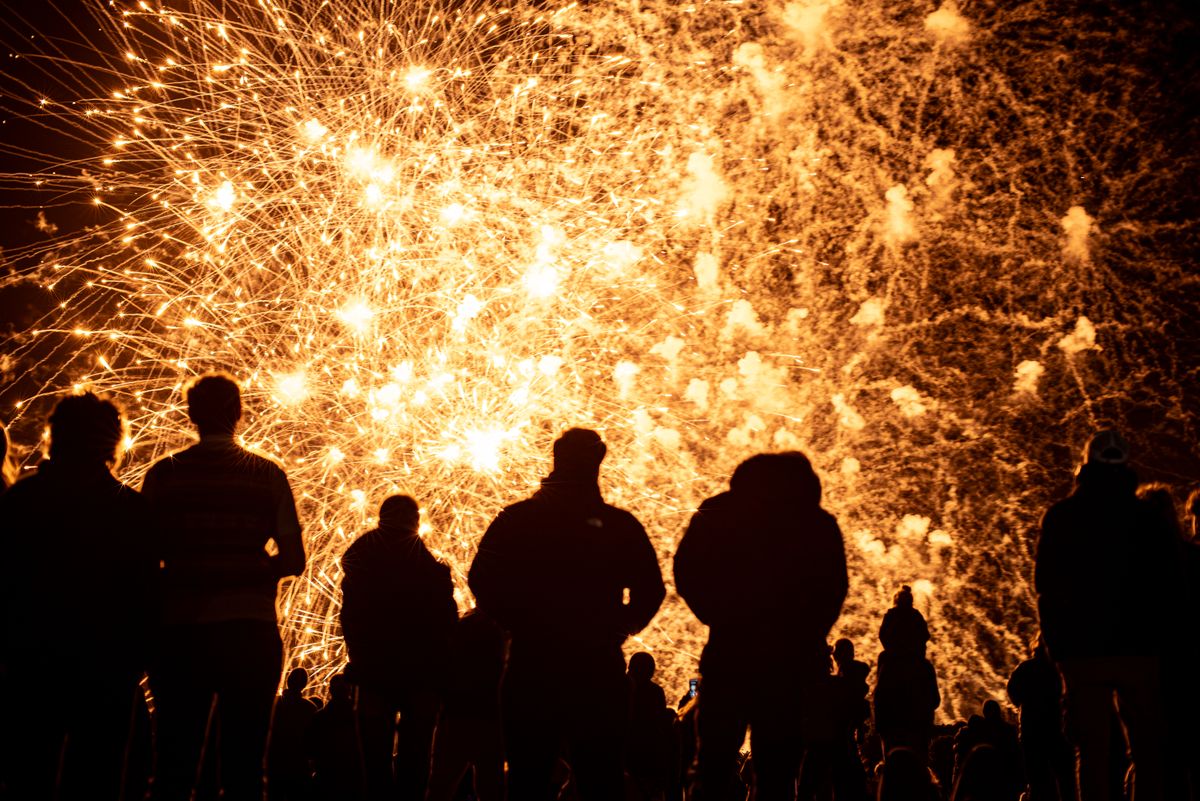
Fireworks are the emotional center of the Fourth of July. People will still want to gather. They will still want to bring lawn chairs, snacks, children, grandparents, and coolers. They will still want that shared moment when the sky lights up, and everyone looks up at once. But this year, people need to think differently.
Arriving hours early to hold a spot may not be wise. Standing shoulder to shoulder in a packed crowd may become dangerous. Drinking alcohol without enough water can make dehydration worse. Wearing heavy clothing, carrying children, or sitting on hot pavement can place more stress on people than they realize. The heat does not care that it is a holiday. It does not care that the fireworks start at 9 p.m.It does not care that the parade happens only once a year. If the body gets too hot, it reacts.
Heat Illness Can Start Quietly
The warning signs are not always dramatic at first. A person may feel dizzy, weak, sweaty, nauseous, confused, or unusually tired. They may complain of a headache or muscle cramps. They may stop acting like themselves. In children, the signs may include fussiness, sleepiness, vomiting, or sudden quietness.
Heat exhaustion can become heat stroke if ignored. Heat stroke is a medical emergency. Confusion, fainting, seizures, hot skin, or loss of awareness should be treated seriously and immediately.
This weekend, the strongest advice is also the simplest: do not wait to cool down. Do not wait until someone collapses. If someone looks unwell in extreme heat, move them to shade or air conditioning, cool them down, give water if they are alert, and call for help if symptoms are serious.
Storms Could Add Another Problem to the Holiday Forecast

As if the heat were not enough, parts of the central and eastern United States may also see thunderstorms during the holiday weekend.
Forecasters are watching a front that could bring storms from the Upper Great Lakes toward the Mid-Atlantic, Ohio Valley, Middle Mississippi Valley, and Central Plains. Some areas could see lightning, gusty winds, hail, heavy rain, and even a few tornadoes. That creates a strange and risky holiday mix: dangerous heat first, then possible storms.
People heading to outdoor events should not only check the temperature. They should also watch the radar, know where to seek shelter, and avoid staying in open areas if lightning is nearby. A fireworks field is not the place to be stubborn during a thunderstorm.