America’s 250th Birthday Becomes a Political Show
America is turning 250 years old, and the country is getting the kind of birthday party only America could produce: fireworks, flags, military flyovers, presidential theater, historical reenactments, political tension, and a loud argument over who gets to define the nation’s story.
On paper, July 4, 2026, should be a clean moment of national unity. The United States is marking the semiquincentennial of the Declaration of Independence, the document that announced a new nation built on liberty, self-government, and resistance to monarchy.
America250, the congressionally created national effort, describes the anniversary as a commemoration of the signing of the Declaration of Independence and a nationwide moment to reflect on the country’s past and future. But this Fourth of July does not arrive in a quiet country.
It lands in a divided America, where even a fireworks show on the National Mall can become a political symbol. Instead of one simple national celebration, Americans now appear to have choices: the presidential spectacle in Washington, the historical pageantry of Colonial Williamsburg, local America250 events, or private reflection far away from the shouting.
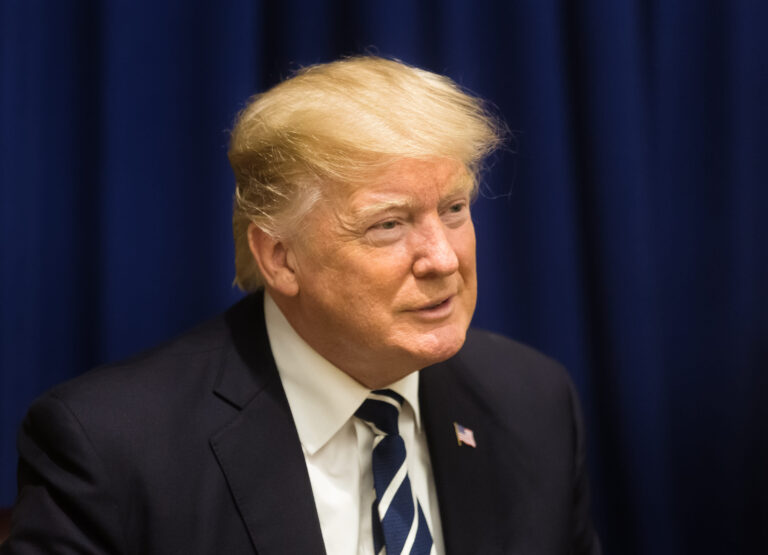
Trump’s National Mall Celebration Turns America’s Birthday Into Political Theater
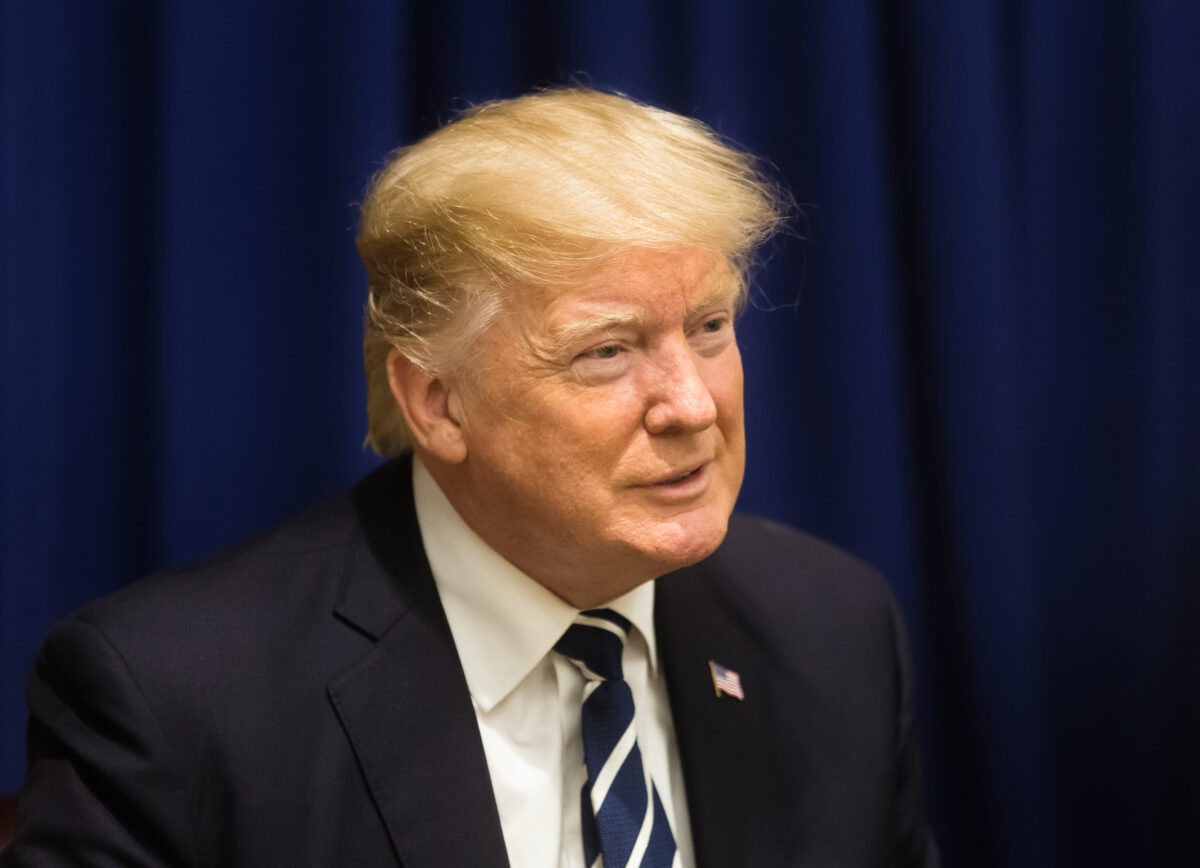
The biggest spotlight is on Washington, D.C., where the White House-backed Freedom 250 celebration is presenting July 4 as the grand centerpiece of America’s 250th birthday.
The official Freedom 250 page frames the anniversary as “250 years of American Independence,” with President Donald Trump tying the milestone to the founding moment of 1776. That patriotic language is expected. The controversy is what comes with it.
The National Mall has always been one of America’s most symbolic public spaces. It is where citizens gather for inaugurations, protests, concerts, memorials, marches, and Fourth of July fireworks.
It belongs emotionally to the public, not to one president, one party, or one political brand. That is why Trump’s heavy imprint on the 2026 celebration has created such a sharp reaction.
Freedom 250’s “Salute to America” event is scheduled for the Washington Monument Grounds, with fireworks planned for about 10:30 p.m. and a display expected to last roughly 40 minutes.
Supporters will see spectacle, confidence, and patriotic grandeur. Critics will see something different: a national anniversary being pulled toward one man’s political stage.
That contrast is the heart of the story. The Declaration of Independence was a rebellion against concentrated power. The 250th anniversary is now being celebrated, in part, through a leader-centered show designed around presidential imagery, mass attention, and political loyalty.
The Real Fight Is Over What Kind of America We Celebrate
The deeper conflict is not about fireworks. It is about memory. Every major anniversary forces a nation to decide what it wants to remember.
Does America celebrate only the ideals written in 1776, or does it also face the contradictions that followed? Do we honor liberty without discussing slavery? Do we praise founding courage without mentioning Indigenous displacement? Do we talk about equality as a finished promise, or as a fight still unfinished?
That debate is already active across museums, parks, and historical institutions. As America reaches 250, cultural institutions are wrestling with pressure over how to present the country’s difficult history, including slavery, marginalized communities, and the push for more “positive” patriotic narratives.
This is why the 250th birthday feels bigger than a holiday. It is a national mirror. Some Americans want a proud, simple story. Some want a fuller story. Many want both: a country they can love without being asked to ignore what it has done wrong.
The smartest way to understand America at 250 is not as a country that has failed or a country that has perfected democracy. It is a country still arguing over the meaning of its own promises.
PBS Chooses Colonial Williamsburg Over Washington’s Political Heat
One of the most striking alternatives to the Washington celebration is happening in Virginia. PBS is airing “America Made in Virginia: 250 Years Together” live from Colonial Williamsburg on July 4 at 8 p.m. ET, with historic interpretation, performances, spectacle, fireworks, and programming rooted in the revolutionary era.
That choice matters because Colonial Williamsburg offers a very different emotional setting from the National Mall. Washington is powerful. Williamsburg is the origin. Washington points to the presidency.
Williamsburg points to the colonies, assemblies, debates, taverns, churches, printers, enslaved labor, revolutionary rhetoric, and messy human world that produced independence.
The Virginia celebration leans into history rather than personality. Colonial Williamsburg says its July 4 program will include a drone show, fireworks, and events tied to the 18th-century world of revolutionary Virginia.
That does not make it free from politics; nothing about American memory ever is. But it changes the center of gravity. The focus shifts to the country’s birth, not the branding of the current president.
For many viewers, that may feel like the safer patriotic choice: celebration without rally energy, reverence without campaign atmosphere, and spectacle without making the president the main character.
America250 Still Offers a Bigger Map Than Washington
The loudest event will not be the only event. America250 remains the broader national commemoration, with state committees, local programs, exhibitions, civic projects, and community gatherings designed to spread the anniversary beyond Washington.
The official America250 effort presents the semiquincentennial as a national commemoration, not simply a federal show.
That distinction is important. America is too large, too diverse, and too emotionally complicated to fit into one stage design.
A family in Philadelphia, a veteran in Texas, a teacher in Ohio, a tribal historian in Oklahoma, a naturalized citizen in California, and a descendant of enslaved people in South Carolina may all understand July 4 differently. None of them owns the whole story, but each holds a piece of it.
The best version of America’s 250th birthday would make room for those pieces. It would allow pride and grief to sit at the same table.
It would let people celebrate the Declaration without pretending its promises reached everyone at once. It would honor the founders without treating them as saints. It would admit that democracy is not a museum artifact. It is a daily argument, and sometimes an exhausting one.
Why the 1976 Bicentennial Feels So Far Away
The 1976 bicentennial came after Vietnam, Watergate, social unrest, distrust, and national exhaustion. America was battered then, too. But the public mood still allowed for a broad civic celebration that felt less attached to one political figure.
In 2026, the atmosphere is sharper. Trust is thinner. Media ecosystems are more divided. The presidency itself has become the center of nearly every cultural fight.
A fireworks show is no longer just a fireworks show when half the country sees it through the lens of politics before the first spark reaches the sky.
That is the tragedy and the opportunity of this anniversary. America’s 250th birthday exposes how divided the country is, but it also reminds us why the country was built to survive disagreement.
The Declaration was not signed by people who agreed on everything. The Constitution was not written for a calm society. The American system was designed with conflict in mind.
America Is Bigger Than Any One July Fourth Stage
The most powerful lesson of America’s 250th birthday may be this: the country is bigger than the loudest celebration.
It is bigger than Trump, bigger than Freedom 250, bigger than one fireworks display, bigger than one broadcast, bigger than one party’s version of patriotism, and bigger than one night on the National Mall.
America is also bigger than cynicism. Its founding ideals still matter precisely because the country has so often failed to live up to them.
We should celebrate the 250th anniversary, but we should not make celebration a substitute for honesty.
We can wave the flag and still ask hard questions. We can honor independence and still remember who was left outside its promises. We can enjoy fireworks and still know that democracy requires more than spectacle.
At 250, America does not need a perfect birthday party. It needs a truthful one.
And maybe that is the real choice facing Americans this Fourth of July: not tricorn hats or Trump rally, not Williamsburg or Washington, not pride or criticism, but whether we are brave enough to love the country without turning away from the whole story.