
Washington’s Trust Crisis Deepens as New Poll Shows Only 18% Believe in Federal Government.
Washington has a serious trust problem, and everyday Americans are no longer hiding how they feel. People are tired of speeches that sound polished but do not match their bills. They are tired of lawmakers promising relief while groceries, rent, insurance, gas, and health care keep eating through paychecks. They are tired of being told the economy is strong when their own lives feel financially tighter, more stressful, and less secure. The frustration is no longer just background noise. It is becoming one of the loudest political warnings in the country.
A June 2026 Marquette Law School Poll found that only 18% of American adults say they trust the federal government to do what is right all or most of the time. Another 19% said they can never trust the government, while 63% said they trust it only some of the time. That is not ordinary political disappointment. That is a country looking at Washington and saying, ” We do not believe you anymore.
Washington’s Trust Crisis Is No Longer a Partisan Problem
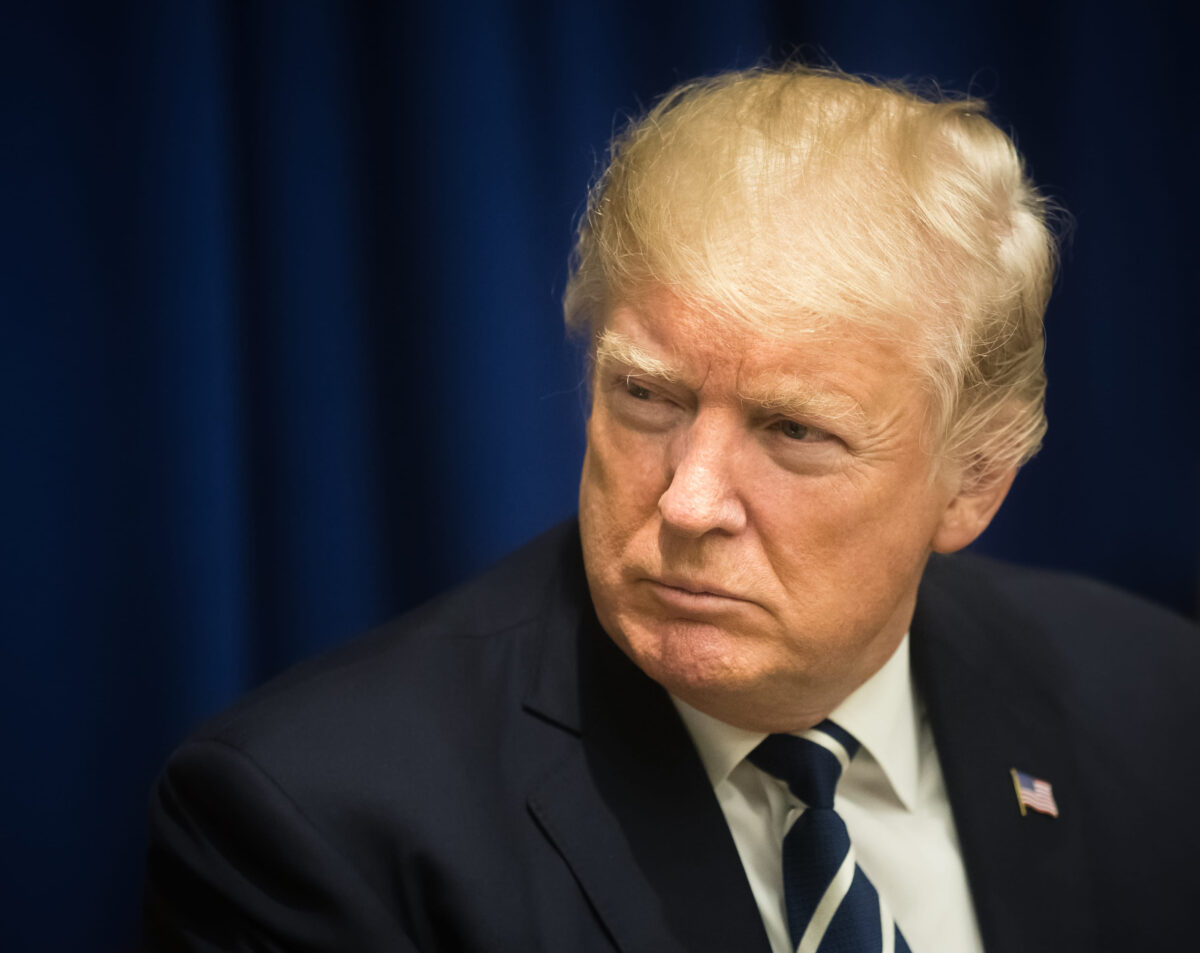
It would be easy to blame one party. Republicans blame Democrats. Democrats blame Republicans. Presidents blame Congress. Congress blames the White House. Agencies blame budgets. Candidates blame “the system” while raising money to stay inside it. But the public mood is bigger than party warfare. Americans are losing faith in Washington itself. They are not simply angry about one bill, one scandal, one president, or one election. They are angry because the federal government increasingly feels distant from the daily lives of the people it claims to serve.
Congress is a major symbol of that collapse. Gallup reported in April 2026 that approval of Congress had dropped to 10%, while disapproval climbed to 86%, tying the record high for congressional disapproval. Those numbers are brutal. Congress is supposed to be the people’s branch. It is supposed to represent communities, solve national problems, pass laws, debate honestly, and hold power accountable. Instead, many Americans see it as a permanent stage for partisan performance, donor loyalty, social media clips, investigations, shutdown threats, and endless blame. When nearly nine in ten Americans disapprove of Congress, Washington should not treat that as a polling problem. It should treat it as a democratic warning.
The Cost of Living Is Making Washington Look Detached
The trust collapse is being fueled by one issue above all others: the cost of living. For voters, this is not theoretical. It is not an economic chart. It is not a talking point on television. It is the price of eggs, milk, meat, rent, car insurance, electricity, medicine, child care, and gas. A May 2026 Reuters/Ipsos poll found that 74% of Americans said their cost of living was on the wrong track, while 73% disapproved of President Donald Trump’s handling of the issue. That is why Washington’s economic optimism can sound so insulting to people outside the political bubble.
Officials can celebrate market gains. Families still have to pay the grocery bill. Politicians can point to job numbers. Workers still know when their paycheck disappears too quickly. Leaders can talk about growth. Renters still know when another increase lands in their inbox. There is a dangerous gap between official language and ordinary experience. And every time Washington tells Americans they are doing better than they feel, the gap widens.
Everyday Americans Feel Squeezed While Politicians Sound Comfortable
The anger runs deeper than prices. It is also about the feeling that powerful people are protected from the consequences of their own decisions. Every day, Americans pay when policy fails. They pay when inflation lingers. They pay when Washington spends recklessly. They pay when Congress delays action. They pay when government websites fail, agencies stall, programs confuse people, and lawmakers spend more time campaigning than solving problems. Meanwhile, the political class continues to move comfortably through fundraisers, television hits, private meetings, luxury events, and campaign cycles that seem disconnected from ordinary struggle.
That contrast is poisonous. Americans do not expect leaders to live exactly like everyone else. But they do expect them to understand pressure. They expect them to know what it feels like when a grocery trip becomes stressful, when rent jumps again, when insurance doubles, when a car repair wipes out savings, or when a medical bill turns into a family emergency. Washington often sounds like it understands voters during campaigns. Once elections are over, many people feel forgotten. That is how trust dies.
National Pride Is Also Showing Cracks
The distrust is not limited to government performance. It is reaching into how Americans feel about the country’s direction. As the United States marks its 250th anniversary, Gallup found that 33% of U.S. adults say they are “extremely proud” to be American, the lowest reading in Gallup’s trend dating back to 2001. Another 20% said they are “very proud,” meaning just over half of Americans express high levels of pride in the country.
AP also reported that fewer Americans are expressing great pride in the country, with AP-NORC and Gallup polling showing declines in pride tied to U.S. history, democracy, and national identity. That does not mean Americans have stopped caring about the country. In many cases, it means the opposite. People are disappointed because they still believe America should be better than this. They still want the government to work. They still want leaders to be honest. They still want the opportunity to feel real. They still want the system to reward work instead of connections. But patriotism becomes strained when people feel ignored by the institutions speaking in its name.
The 250th Anniversary Should Have United the Country, but Division Followed It.
A national anniversary should be a moment of reflection, pride, and unity. Instead, America’s 250th birthday is unfolding in a country that seems too divided to agree on what should be celebrated. AP reported that events around the anniversary are being shaped by both pride and doubt, with Americans marking the moment in different ways while national division remains impossible to ignore. That says a lot about where we are.
Even shared civic moments now feel politicized. Holidays become culture-war battlegrounds. Public ceremonies become campaign material. Speeches meant to unite the country often end up reminding people how divided it has become. For everyday Americans, the exhaustion is real. They are tired of every event becoming a political performance. They are tired of being sorted into camps. They are tired of leaders acting as if national unity can be staged for cameras while ordinary communities remain angry, anxious, and unheard.
Rural Voters Are Also Showing Signs of Frustration
The trust problem is not limited to cities, suburbs, or one political tribe. Reuters reported in June 2026 that support for Trump had slipped in rural America as fuel and food prices climbed. According to Reuters/Ipsos polling, Trump’s approval among rural Americans dropped to 50%, down from 60% in early 2025, while disapproval rose to 48%. That matters because rural America has been one of Trump’s strongest political foundations.
When even loyal voters begin to show frustration over fuel, food, farming costs, exports, and economic pressures, Washington should pay attention. Rural voters know when diesel costs more. Farmers know when fertilizer prices hurt. Small-town families know when long drives, grocery prices, and access to medical care become harder to manage. Their concerns are not abstract. They are lived daily. If Washington loses trust in places that once gave it the benefit of the doubt, the political consequences could be serious.
The Midterms Could Become a Referendum on Broken Trust
The 2026 midterm elections are shaping up to be more than a fight between Republicans and Democrats. They could become a referendum on whether Americans still believe Washington is capable of telling the truth about their lives. That is dangerous for incumbents in both parties. Republicans face anger over the cost of living, foreign policy, executive power, and whether Trump’s promises have improved everyday life. Democrats face their own credibility problem, especially among voters who think the party criticizes loudly but delivers weakly.
Many voters may not agree on what should come next. But they increasingly agree on one thing: the system is not working well enough for ordinary people. That shared frustration is powerful. It can drive turnout. It can punish incumbents. It can fuel outsider candidates. It can make voters more open to harsh messages, angry campaigns, and dramatic promises. When trust collapses, people do not always choose moderation. Sometimes they choose disruption.
Washington Keeps Talking, but Americans Want Proof
The problem for Washington is simple: words are no longer enough. Americans have heard promises to lower prices, protect democracy, secure the border, rebuild the middle class, defend freedom, cut waste, fight corruption, and put families first. They have heard it all. Now they want proof. They want grocery bills that no longer hurt. They want housing that feels possible. They want health care that does not bankrupt families. They want leaders who seem less obsessed with cameras and more focused on results. They want a government that works without making ordinary people feel stupid, powerless, or ignored.
Washington is losing trust because Americans are tired of being managed instead of served. They feel talked down to. They feel squeezed. They feel used during election season and forgotten after it. They feel like the powerful keep asking for more patience while offering fewer results. That is not just bad politics. It is a warning sign for the country. If Washington wants trust back, it will have to earn it in the places where distrust is being built: at the checkout line, in rent notices, in medical bills, in gas receipts, in small businesses, in rural communities, in struggling suburbs, and in families that no longer believe polished speeches can fix their lives. Until then, the message from everyday Americans is becoming harder to miss.


