Husband’s Confession After 6 Years Could Finally Solve France’s Most Shocking Missing Wife Case
For nearly 6 years, the disappearance of French nurse Delphine Jubillar has remained one of France’s most haunting mysteries. Now, a stunning confession from her husband, Cédric Jubillar, has reignited the case and raised hopes that investigators may finally uncover the truth behind the mother of two’s disappearance. After a 30-year prison sentence, years of unanswered questions, and a murder trial without a recovered body, a new chapter is unfolding in a case that has captivated millions.
A Mystery That Captivated France for Nearly Six Years
For nearly 6 years, one question has haunted France: What happened to Delphine Jubillar? Now, a stunning prison confession from her husband, Cédric Jubillar, could finally bring answers to a case that became one of Europe’s most closely watched murder mysteries. The confession comes after a dramatic legal battle, a missing body, a 30-year prison sentence, and years of searches that failed to locate the missing mother of two.
Delphine Jubillar, a 33-year-old nurse and mother of two children, disappeared from her home in Cagnac-les-Mines, southern France, in December 2020. She was last seen on the night of December 15–16, 2020, beginning a search that would span more than 2,000 days and involve investigators, volunteers, and repeated searches throughout the region.
Unlike many murder investigations, the Jubillar case had one major obstacle from the beginning: there was no body. No funeral. No final goodbye. For Delphine’s family, the disappearance created a painful uncertainty that lasted for years.
A Rare Murder Trial Without a Body
The case became a national debate because prosecutors had to convince a jury without the traditional evidence many murder trials rely on. There was no recovered victim, no confirmed crime scene, and no direct eyewitness account of the killing.
Instead, prosecutors presented a case built around circumstances surrounding Delphine’s disappearance, including tensions in the couple’s relationship, their planned separation, and events leading up to the night she vanished.
The trial became one of France’s most closely followed criminal proceedings in recent years. After weeks of hearings, a jury found Jubillar guilty in 2025 and sentenced him to 30 years in prison, despite the continued absence of Delphine’s remains.
The verdict highlighted a difficult legal question that has also appeared in other countries: How much evidence is enough to prove murder when the victim has never been found?
The Prison Confession That Changed Everything
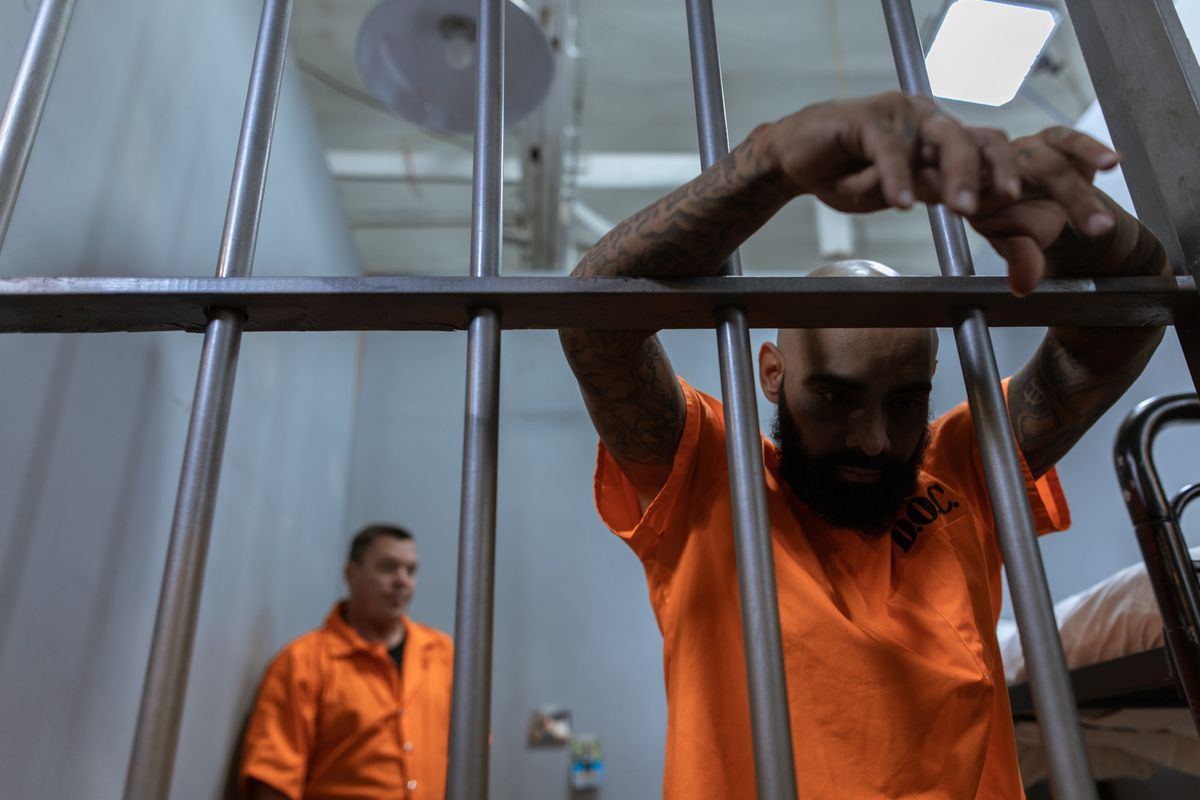
After years of denying involvement, Jubillar has now reportedly changed his position. His lawyer said he wrote a confession from prison admitting responsibility and indicated he could provide information about where Delphine’s body may be located.
The development represents a dramatic shift after nearly 6 years of uncertainty. For investigators, the confession could provide the first possible path toward recovering Delphine’s remains and answering the questions that have surrounded the case since 2020.
However, authorities will still need to verify every detail. A confession alone does not end the investigation. Police must determine whether his account matches evidence already collected and whether any new information leads them to a location where Delphine can be found.
Why the Timing of the Confession Matters
The timing of Jubillar’s admission has added another layer of mystery. His appeal process was expected to continue, but a confession could significantly change the legal strategy surrounding the case.
Investigators and prosecutors will likely examine several possibilities: whether Jubillar is providing accurate information, whether the confession contains missing details, and whether it can resolve unanswered questions from the original investigation.
For Delphine’s family, however, the focus remains simple. They want confirmation of what happened and the opportunity to finally lay her to rest.
A Family Still Waiting for Closure
Behind the courtroom arguments and legal battles is a family that has lived through years of uncertainty. Delphine’s two children have spent a large part of their lives without knowing what happened to their mother.
For relatives, finding her remains is not simply another step in a criminal investigation. It represents the possibility of closure after more than half a decade of waiting.
Many missing-person cases become especially painful because families are trapped between hope and grief. Without answers, there is no clear ending, only questions.
A Case Connected to a Larger Global Issue
The Jubillar case has also drawn attention to the wider issue of violence against women, particularly within intimate relationships.
Global data shows that women are often at greatest risk from people close to them. The United Nations has reported that around 60% of women and girls intentionally killed worldwide are killed by intimate partners or family members.
In the United States and other countries, similar cases have sparked discussions about recognizing warning signs, improving domestic violence response systems, and protecting people facing dangerous relationships.
What Happens Next in the Investigation
The next stage of the case will depend on whether Jubillar’s confession leads investigators to new evidence. Authorities will need to verify the statement, conduct searches if a location is identified, and determine whether the details provide answers that have been missing since 2020.
After 6 years, the case that shocked France may finally be approaching its end.