Oil Prices Fall After President Trump’s Iran Deal, But Drivers May Not Be Safe Yet
Oil prices finally blinked. After months of war pressure, shipping panic, expensive gasoline, and market nerves, crude prices dropped sharply after President Donald Trump said the United States had reached an agreement with Iran.
On paper, that sounds like the kind of headline drivers want to see. In reality, the story is more complicated. The market is cheering peace, but oil still has to travel through damaged systems, nervous waters, and a region where one broken promise can send prices flying again.
Oil Prices Fell Fast After the Deal Announcement
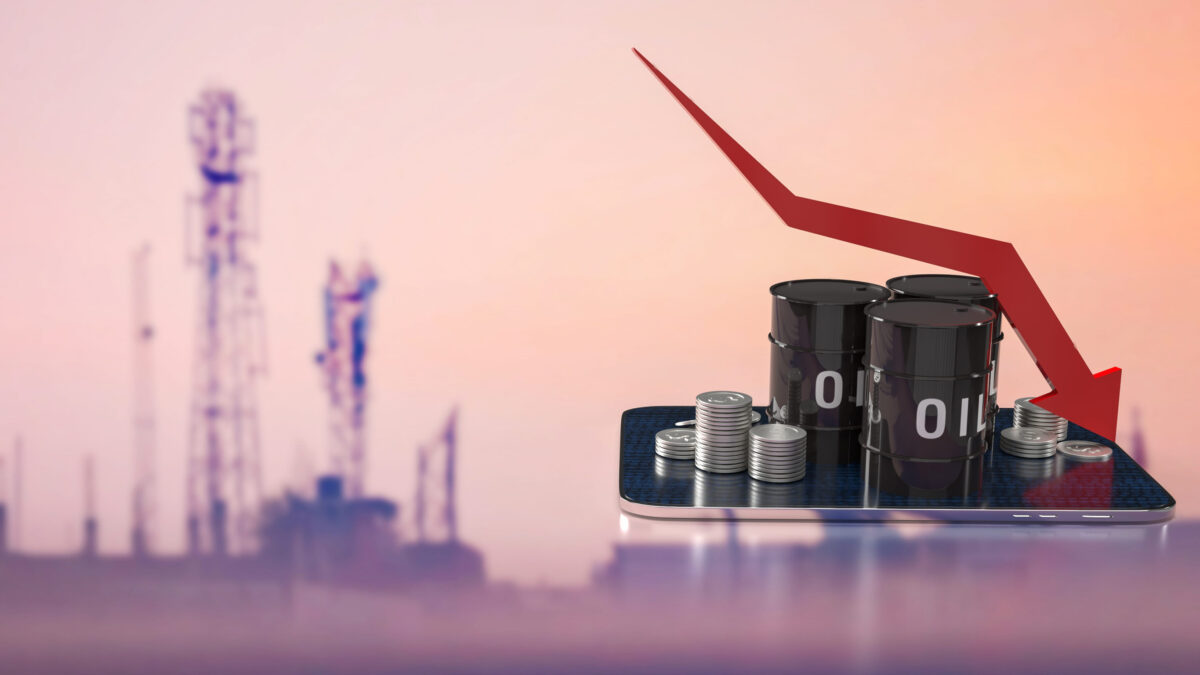
The first big fact is simple: oil traders reacted immediately. Brent crude dropped to about $84 a barrel, while U.S. crude fell to around $81.
That is a major fall in a market that had been carrying fear like a heavy backpack. Investors saw the agreement as a signal that one of the world’s most dangerous energy chokepoints could begin reopening. But falling prices do not mean the crisis is over. They mean the market believes the worst case may have been delayed, avoided, or at least softened.
The Price Drop Still Does Not Return Oil to Prewar Levels

The second fact matters for anyone expecting instant relief. Oil may be down, but it is still far above its level before the conflict began.
Before the United States and Israel launched attacks on Iran in late February, crude had been trading below $70 a barrel. That gap explains why the mood is hopeful but not relaxed. Prices can fall sharply and still remain painful. For airlines, delivery companies, farmers, truckers, and ordinary families, “lower” does not automatically mean “cheap.”
The Strait of Hormuz Is Still the Real Prize
The third fact is the heart of the story. The Strait of Hormuz is not just another shipping lane. It is one of the most important energy corridors on Earth. A huge share of the world’s oil and liquefied natural gas moves through that narrow waterway.
When the Strait is threatened, the whole world pays attention. When it closes or becomes unsafe, energy prices can rise far beyond the Middle East. That is why the agreement matters so much. It is not only about diplomacy. It is about whether tankers can move safely again.
Reopening the Strait Will Not Be Instant
The fourth fact is the one markets may be trying to ignore. Even if both sides honor the agreement, the strait still needs work before traffic feels normal. Mines have to be removed. Ships need confidence that the passage is safe.
Insurance costs must be settled. Ports and production sites need time to recover. Oil wells that were slowed or shut down cannot always return to full strength overnight. In other words, reopening the door is not the same as rebuilding the hallway behind it.
Gas Prices Have Eased, But Drivers Are Still Paying More

The fifth fact hits American households directly. U.S. gasoline prices have fallen from recent highs, but the national average is still around $4.07 per gallon.
That is not a small number for families already stretched by groceries, rent, insurance, and credit card bills. A few cents of relief at the pump can help, but it does not erase months of pressure. For commuters who fill up every week, the question is not whether oil traders are happy. The question is whether their next tank costs less.
Analysts Warn Prices Could Bounce Back Later
The sixth fact is the warning behind the celebration. Some oil experts believe prices could rise again later this summer if demand strengthens and emergency stockpiles need to be refilled. That is the hidden danger of a sudden price drop.
Markets can calm down too early, then snap back when reality catches up. If refineries, shipping routes, and producers cannot move fast enough, the world could face another price squeeze. Peace lowers risk, but it does not magically create supply.
The Deal Still Depends on Trust Between Enemies
The seventh fact is political. This agreement is not being built between friendly governments. It is being built between bitter rivals after months of conflict. President Trump said the deal was complete, and Iranian officials signaled that a memorandum had been finalized and was expected to be signed in Switzerland. Still, every side will be watching every move.
If one side accuses the other of delay, deception, or violation, oil markets could react within minutes. Trust is thin, and crude prices do not wait politely for diplomats to explain themselves.
The Market Is Celebrating, But the World Is Still Exposed
The eighth fact is the bigger picture. Stock futures climbed after the announcement, showing that Wall Street wanted to believe in the breakthrough.
But oil is not only a market number. It touches food prices, airline tickets, shipping fees, gas stations, factory costs, and inflation. If the deal holds, drivers could see more relief, businesses could breathe easier, and global trade could regain rhythm. If it fails, the same market that celebrated on Sunday could turn nervous again before families feel any real savings at the pump.