Texas Power Grid Faces a Brutal Summer Test as Demand Could Smash Records
Texas is heading into another high-pressure summer, and this time the strain is not just coming from the heat.
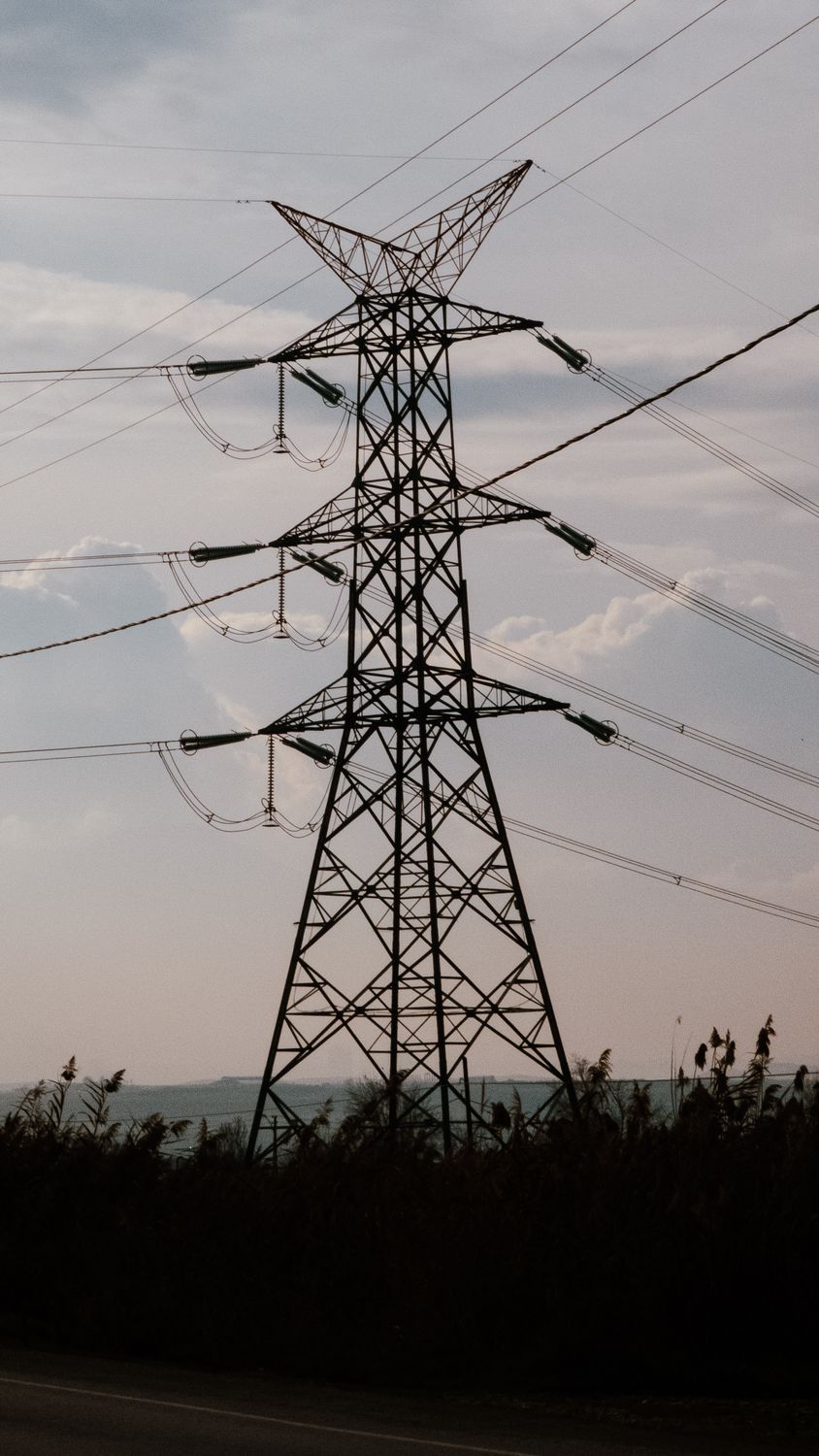
The state’s power grid could face record electricity demand as millions of residents crank up air conditioners, businesses keep running, and major power users such as data centers and crypto operations pull more energy from the system. For Texans, that means the summer power conversation is once again moving from policy rooms to living rooms.
According to an Axios Houston report, the Electric Reliability Council of Texas expects electricity demand to peak around 92,200 megawatts this summer. That would be far above last summer’s peak of about 83,700 megawatts and higher than the previous summer record of roughly 85,500 megawatts set in 2023.
The warning does not mean Texans should expect the lights to go out. ERCOT says it has improved tools, stronger emergency planning, and more ways to respond if demand rises too fast. But the forecast shows how quickly Texas is changing and how much pressure that growth is placing on the grid.
Heat remains the biggest driver. When temperatures climb, air conditioning becomes a lifeline for homes, schools, hospitals, restaurants, warehouses, and office buildings. In a state where summer heat can last for months, even a normal hot day can push electricity use sharply higher.
But this year’s concern is bigger than the thermometer. Texas is also seeing rapid load growth from large customers, including data centers and cryptocurrency operations. These facilities can use enormous amounts of electricity, and their growth is adding a new layer of pressure to a grid already tested by population growth and extreme weather.
ERCOT has pointed to a warmer summer than last year and significant load growth as major reasons for the record-setting forecast. The agency also expects large users, such as data centers, to drive additional demand through September, the same period when Texans are most likely to rely heavily on air conditioning.
That combination matters because the grid has to balance supply and demand in real time. Electricity cannot simply be stored across the entire system, the way bottled water can be stacked in a warehouse. Power generation, transmission, and consumption must remain closely matched at all times.
The tightest concern often comes late in the day. Solar power can help during sunny afternoons, but output drops as the sun goes down. At the same time, many families return home, lower their thermostats, cook dinner, run appliances, and keep cooling systems on. That evening stretch can become one of the most closely watched periods for grid operators.
ERCOT says it has contingency plans ready. Those tools include emergency response measures, better monitoring, and programs that can reduce demand when the grid is under stress. In some emergencies, certain large power users may be ordered or encouraged to reduce consumption so household and critical services can remain protected.
That point is important for residents who remember past grid problems. Texans have seen how quickly power concerns can become personal, especially when the weather turns dangerous. Even when the risk of a grid emergency is low, the emotional memory of outages still shapes how many people hear the latest forecasts.
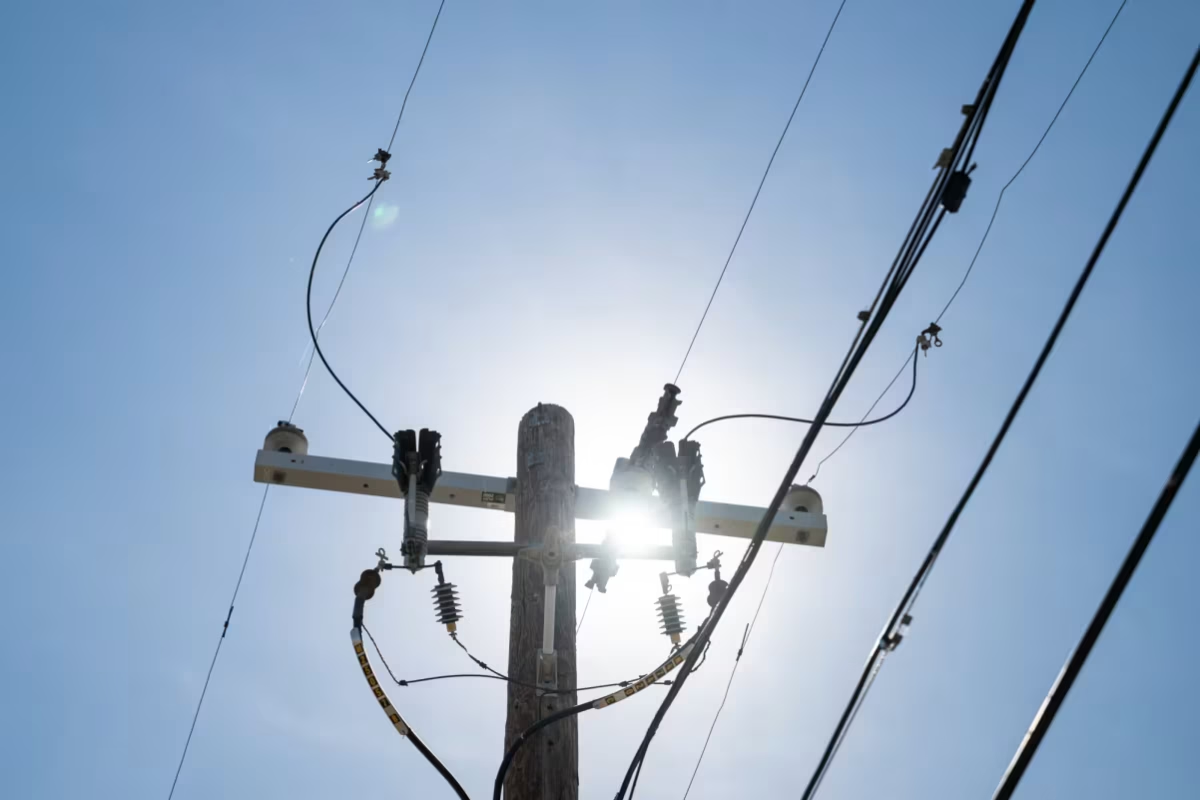
State leaders are also paying attention to the cost side of the issue. Gov. Greg Abbott has pushed ERCOT and the Public Utility Commission of Texas to focus on electricity affordability as the data center boom continues. The concern is not only whether the grid can handle rising demand, but whether ordinary customers may face higher costs as the system expands.
A new 460 megawatt power plant planned by NRG Energy in northwest Houston is one example of how the market is responding to demand spikes. Plants that can come online during high-demand periods may help support reliability, but they also show how much new capacity Texas may need as growth accelerates.
For Houston, Dallas, Austin, San Antonio, and fast-growing suburbs, the grid issue is also a growth story. More people, more homes, more businesses, more industrial activity, and more digital infrastructure all require more electricity. That makes power planning a central part of Texas’ future, not just a seasonal concern.
The message for households is practical. Texans do not need to panic, but they should stay alert during extreme heat, monitor ERCOT notices, and take basic steps that reduce strain during peak hours. That could mean raising the thermostat slightly, delaying laundry or dishwashing, closing blinds during hot afternoons, and checking on vulnerable neighbors if the heat becomes dangerous.
The official ERCOT summer readiness page says summer demand typically peaks during the mid to late afternoon, when heat and electricity use are both high. That is why even small household changes during peak periods can matter when multiplied across millions of customers.
Why it matters
This summer’s grid forecast matters because it shows Texas is facing a new kind of energy test.
The old challenge was mostly about heat. The new challenge is heat plus population growth, heavy industry, data centers, crypto mining, rising electricity demand, and public anxiety from past grid failures.
For families, the issue is simple. Power is not a luxury during a Texas summer. It keeps homes cool, medical equipment running, food safe, businesses open, and emergency services functioning.
For the economy, the stakes are also high. Texas wants to attract technology companies, manufacturers, energy projects, and large employers. But those industries need reliable electricity, and residents want assurance that corporate growth will not come at the cost of higher bills or weaker reliability.
This is why the summer forecast feels bigger than one season. It is a snapshot of where Texas is headed.
If ERCOT gets through the summer smoothly, it could strengthen confidence that the grid is adapting to rapid growth. If demand surges faster than expected, it could intensify pressure on state leaders to rethink how Texas plans, prices, and protects its power supply.
Either way, the record forecast sends a clear message. Texas is growing fast, the heat is not easing, and the power grid is now one of the most important tests of whether the state can keep up with its own success.