Marshawn Kneeland Cause of Death Revealed: What His Stage 1 CTE Diagnosis Means After the Dallas Cowboys Player’s Death at 24
Marshawn Kneeland’s cause of death has been revealed after Boston University CTE Center researchers diagnosed the former Dallas Cowboys defensive end with Stage 1 CTE following post-mortem brain analysis.
Marshawn Kneeland’s death has returned to the national spotlight after researchers diagnosed the former Dallas Cowboys defensive end with Stage 1 chronic traumatic encephalopathy, better known as CTE, following a post-mortem brain tissue analysis. The diagnosis, released by his family through the Concussion & CTE Foundation on Tuesday, July 7, 2026, adds a painful new layer to the story of a 24-year-old NFL player whose career was still unfolding when he died in November 2025.
Kneeland’s family said the finding does not change the tragedy of his passing, but it may help the public better understand what athletes in high-contact sports can face behind the helmet, away from the cameras, and long after the stadium lights go dark. Their message was not to define him by the final moments of his life, but to remember him with compassion and to raise awareness for others who may be struggling.
Marshawn Kneeland’s Cause of Death and CTE Diagnosis Explained
Researchers at the Boston University CTE Center diagnosed Kneeland with Stage 1 of 4 CTE after examining his brain tissue. CTE is a progressive brain disease linked to repeated head impacts, including concussions and non-concussive blows, and it is most often discussed in connection with football players, combat-sport athletes, military veterans, and others exposed to repeated head trauma.
The diagnosis is significant because Kneeland played in the modern football era, when concussion protocols, improved helmet technology, and expanded awareness have become part of the sport’s safety conversation. Dr. Chris Nowinski, CEO of the Concussion & CTE Foundation, said the case shows why concussion protocols alone are not enough, because CTE is linked to repeated head impacts, not only diagnosed concussions.
Still, the foundation also emphasized an important distinction: a post-mortem CTE diagnosis should not automatically be described as the cause of a suicide. Suicide is complex, and CTE is not known as a single direct cause of suicide. That context matters because the public conversation around Kneeland’s death must avoid reducing a human life to one medical finding.
A 24-Year-Old NFL Career Cut Short
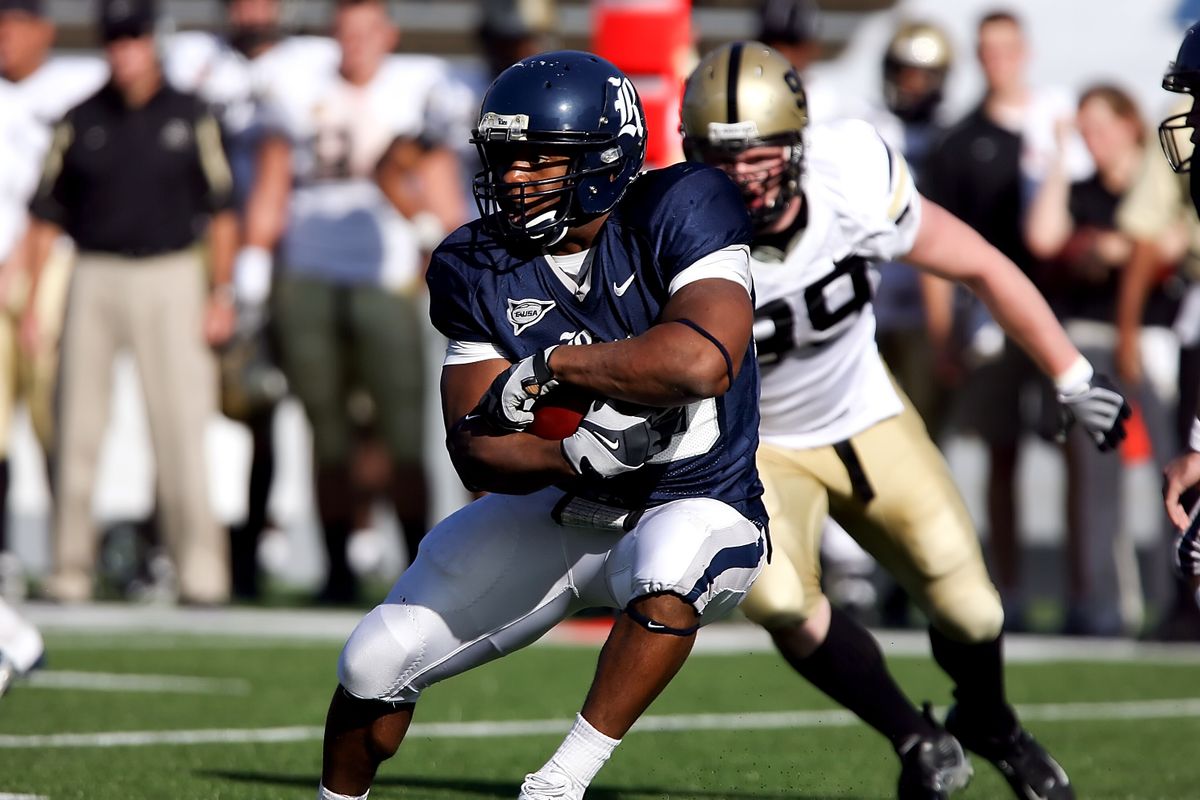
Kneeland was selected by the Dallas Cowboys in the second round of the 2024 NFL Draft, going No. 56 overall out of Western Michigan. At the time, Dallas described him as a high-motor defensive end with the frame, strength, and physical style to develop into an impact player.
His rise was not built on hype alone. At Western Michigan, Kneeland became the 53rd player in school history to be selected in the NFL Draft, and he was the first Bronco ever drafted by the Cowboys. During his college career, he played 38 games, recorded 82 tackles, 13 sacks, 28 tackles for loss, and three forced fumbles, according to Western Michigan Athletics.
In Dallas, Kneeland appeared in 18 career NFL games, including four starts. NFL lists his career totals as 26 combined tackles, 1 sack, 1 pass deflection, and 1 fumble recovery by opponents across the 2024 and 2025 seasons.
His Final Big Play Came Just Days Before His Death
One of the most heartbreaking parts of Kneeland’s story is how close his final career highlight came to his death. In a Monday night game against the Arizona Cardinals, Kneeland recovered a blocked punt in the end zone, scoring the first touchdown of his NFL career.
For fans, it looked like a breakthrough moment. For a second-year defensive end trying to carve out a bigger role, it was the kind of play that could have become a turning point. Days later, the Cowboys, the NFL, and the football world were mourning him.
That contrast is what makes the story so difficult: the public saw a young player reaching a professional milestone, while the private struggle behind the scenes remained largely invisible.
What Stage 1 CTE Means
Stage 1 CTE is the earliest stage of the disease, but “early” does not mean meaningless. CTE can only be diagnosed after death through brain tissue analysis, although researchers continue to work toward identifying it during life.
Dr. Ann McKee, director of the Boston University CTE Center and chief of neuropathology for the VA Boston Healthcare System, said she was not surprised to find CTE in Kneeland’s brain because researchers have found the disease in nearly half of the athletes they studied who died before age 30.
That statement is especially sobering because Kneeland was only 24. He was not a retired veteran of 15 NFL seasons. He was a second-year player whose football journey began long before the NFL, including years of tackle football, college competition, training, and repeated contact.
Why Kneeland’s Diagnosis Raises Bigger Questions About Football
Kneeland’s diagnosis renews a difficult question for football: how much risk remains even when the sport becomes more aware, more regulated, and more technologically advanced?
Football has changed in many ways. There are more concussion spotters, more return-to-play rules, better equipment, and stronger public awareness than in previous generations. But Nowinski’s warning is direct: if the goal is to reduce CTE risk, the sport must reduce the number and force of head impacts at every level of play.
That is a broader conversation than helmets. It includes practice structure, youth football rules, tackling techniques, contact limits, medical transparency, and long-term monitoring of athletes after they leave organized football.
The Family’s Message: Remember Marshawn With Compassion
Kneeland’s family, including his girlfriend Catalina Mancera, released the diagnosis with a message centered on awareness and compassion. They said the diagnosis gave “important context” about struggles he may have been facing and said they hoped the information would help people understand what NFL and other high-contact sport athletes might endure.
Their statement also made clear that Marshawn should not be defined by his death. That matters. A player’s final moment should not erase his work, his relationships, his personality, his dreams, or the people who loved him.
Kneeland’s story is not only about football science. It is also about grief, family, mental health, and the pressure placed on young athletes who are often expected to perform through pain without showing weakness.
From Western Michigan to the Dallas Cowboys
Before the NFL, Kneeland built his reputation at Western Michigan. He was not presented as a polished superstar from the beginning. He developed into one. His college numbers showed production, growth, and physical dominance, especially in his final season when he earned Second Team All-MAC honors.
The Cowboys saw enough to invest a second-round pick in him. Dallas highlighted his conversion from tight end to linebacker to defensive end, his athletic profile, and his ability to set the edge against the run while developing as a pass rusher.
That path made him easy to root for. He was the kind of player coaches love because he brought effort, toughness, and room to grow. His story had the shape of a long NFL future before it suddenly became a tragedy.
What We Should Take From This Case
Kneeland’s diagnosis should not be used carelessly. It should not become a simple headline that says CTE alone explains everything. It also should not be ignored. The responsible conclusion is more serious and more complicated: a young football player died, his brain showed evidence of CTE, and his family wants the information used to build awareness rather than speculation.
This is where the sports world must be honest. We can celebrate football and still ask harder questions about player safety. We can honor toughness and still recognize mental health warning signs. We can admire athletes without assuming that fame, money, physical strength, or professional success protects them from emotional pain.
Marshawn Kneeland’s Legacy Is Bigger Than a Diagnosis
Marshawn Kneeland was a son, a partner, a father, a teammate, and a young man who reached the NFL after years of work. His career included college production, a second-round draft selection, 18 NFL appearances, and his first professional touchdown, which came just before his death.
The CTE diagnosis adds medical context, but it does not replace the human story. His family’s decision to release the findings turns private grief into public awareness. That choice may help another athlete, another family, or another team pay closer attention when someone appears to be struggling.
Mental Health Help Is Available
Anyone in the United States who is struggling with thoughts of suicide, emotional distress, substance use concerns, or a mental health crisis can call or text 988 or chat through the 988 Suicide & Crisis Lifeline. The service connects people with trained counselors and is available to those in crisis as well as to those worried about someone else.