Mother Allegedly Leaves 13-Year-Old in Vehicle for Food Pickup, Returns to Find Six Police Officers Waiting
A simple restaurant pickup allegedly turned into a tense public confrontation after a woman returned to her vehicle and discovered multiple police officers gathered around the car where her 13-year-old child had been waiting.
The encounter quickly became a topic of online debate, with viewers questioning the balance between protecting children, responding to public concerns, and determining when a situation requires a large police presence.
The incident has drawn attention because it sits at the intersection of several sensitive issues: parenting choices, child safety, police discretion, and how quickly everyday moments can become viral conversations when recorded on a cellphone.
A Routine Errand Allegedly Turns Into a Concerning Scene

The woman was reportedly making a short stop at a restaurant to collect food when the situation unfolded. According to videos circulating online, she returned to find several officers surrounding her vehicle while her teenage child remained inside.
The footage captured the woman approaching the scene and appearing surprised by the police presence. She attempted to explain why her child was inside the vehicle and questioned why the situation had escalated to involve multiple officers.
The exact details of what happened before the recording began remain unclear. The available footage shows only part of the interaction, leaving unanswered questions about who contacted authorities, what concerns were reported, and what information officers had before arriving.
That missing context has become one of the biggest points of discussion surrounding the incident.
Why the Situation Immediately Sparked Public Debate
Cases involving children left unattended in vehicles often create strong reactions because they involve two competing concerns: protecting children from possible harm and avoiding unnecessary escalation when circumstances may not present an immediate danger.
Many people watching the video focused on the number of officers present, arguing that the response appeared excessive for what seemed to be a short food pickup.
Others argued that police have a responsibility to investigate any report involving a child’s safety. From that perspective, officers cannot always know the full situation when they arrive, and even a seemingly minor call requires attention.
The disagreement highlights a larger question faced by communities across the country: how should authorities respond when a safety concern falls into a gray area?
A 13-Year-Old Changes the Conversation Around Vehicle Safety
The age of the child has become one of the most discussed details of the incident.
Public conversations about children left in vehicles often focus on younger children who may be unable to protect themselves or respond during emergencies. A 13-year-old, however, introduces a different set of circumstances.
Teenagers generally have greater awareness, communication skills, and independence compared with younger children. Still, safety decisions depend on many factors, including the environment, weather conditions, length of time alone, and whether the child could safely handle an unexpected situation.
The question is not only about age. It is about the overall circumstances surrounding the decision.
The Missing Minutes Before the Cameras Started
One of the biggest challenges with viral incidents is that viewers often see the middle of a story instead of the beginning.
A short video can show emotions, reactions, and disagreements, but it may not show what caused the interaction in the first place.
In this case, the public saw the woman returning to find officers at her vehicle, but the initial moments remain unclear. Did someone report a concern after seeing the child alone? Was there a misunderstanding? Did officers receive information that changed how they approached the situation?
Without those details, people online have been left to interpret the event through limited footage.
The Rise of the “Recorded Encounter” Era
The incident reflects a growing reality of modern life: almost every public interaction can become a recorded event within seconds.
Cellphone videos have helped bring attention to serious situations and increased public accountability. At the same time, short clips can sometimes remove important background information.
A 60-second video rarely contains an entire story. It captures a moment, but not always the events that led to it.
That is why viral encounters often produce immediate opinions before all facts become available.
Police Response and the Question of Proportionality
The presence of six officers became a major focus of criticism online.
Some viewers questioned whether the number of officers involved was necessary. They argued that the situation could have been handled with fewer resources and a calmer approach.
Others pointed out that officers responding to a child safety concern may not know whether they are dealing with a simple misunderstanding or something more serious.
Police responses are often shaped by the information available at the moment. A call involving a child can lead officers to prioritize caution because the consequences of ignoring a genuine safety risk can be severe.
The challenge is finding the right balance between caution and proportionality.
Parents Face Difficult Decisions Every Day
The controversy also highlights the reality that parents constantly make quick decisions while managing everyday responsibilities.
A short trip into a restaurant, a quick stop at a store, or a brief errand may seem routine. However, parents must consider factors beyond the length of time they expect to be away.
Questions about location, surroundings, weather, visibility, and a child’s ability to respond during an emergency can all influence whether a decision is safe.
The incident serves as a reminder that ordinary choices can sometimes be viewed differently by strangers who do not know the full circumstances.
Community Members Often Become Part of the Story
The video also shows how bystanders increasingly play a role in public encounters.
The person recording the situation questioned the police response and expressed concern about how the woman was being treated. The interaction between the bystander and officers became part of the larger discussion surrounding the event.
In many public incidents today, witnesses are no longer passive observers. They record, comment, and sometimes challenge authorities or individuals involved.
That involvement can provide transparency, but it can also add another layer of emotion to already tense situations.
What This Incident Reveals About Modern Public Safety Conversations
The debate surrounding the encounter goes beyond one restaurant parking lot.
It reflects broader conversations about parenting, community responsibility, law enforcement decisions, and how society responds to uncertain situations.
Most people agree on one central point: children’s safety matters. The disagreement comes from determining how concerns should be handled when the situation is not clearly dangerous or clearly harmless.
That gray area is where many public debates begin.
Questions Remain About the Final Outcome
Because the viral footage does not show the entire encounter, important details remain uncertain, including whether the woman faced any legal consequences, whether authorities took further action, or how the situation was ultimately resolved.
The lack of complete information has contributed to continued discussion online, with people reaching different conclusions based on the limited moments captured on camera.
A Viral Moment That Started With an Everyday Decision
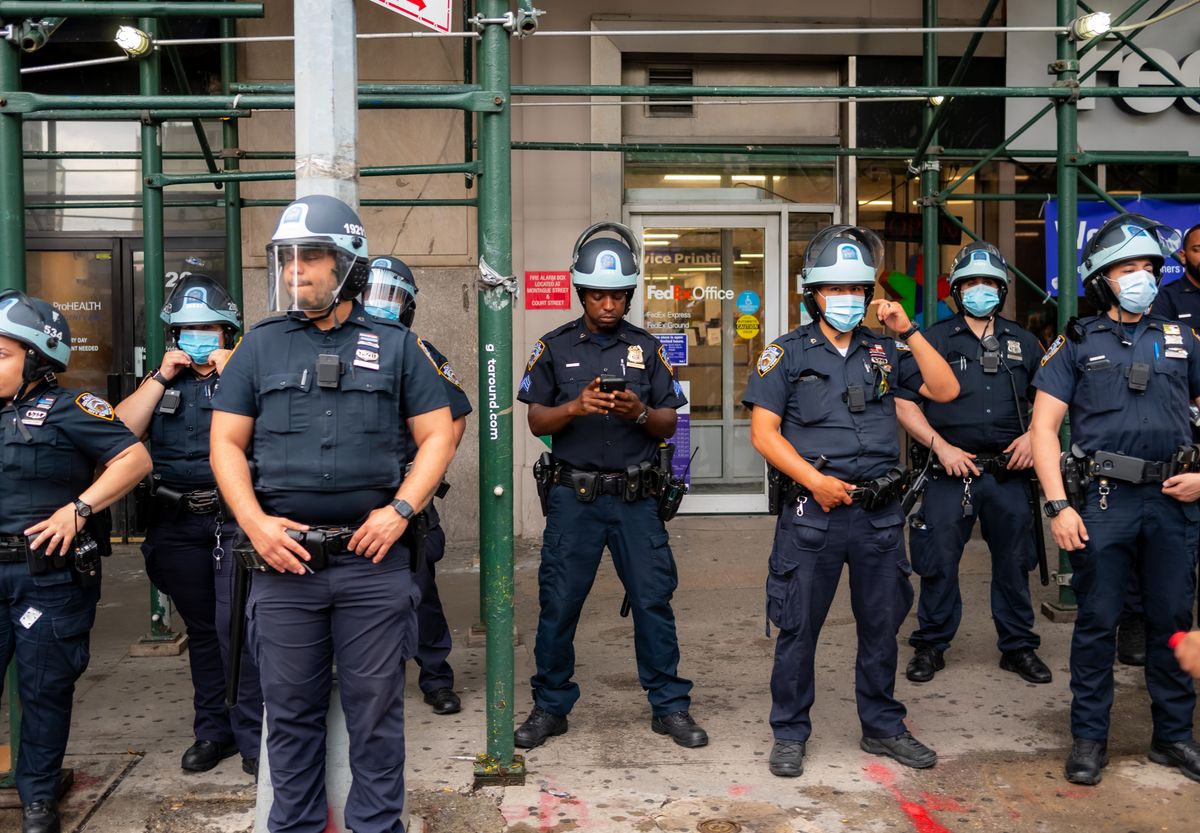
What began as an ordinary restaurant pickup became a national conversation about responsibility, safety, and judgment.
The incident demonstrates how quickly everyday decisions can become public discussions in the digital age. A few minutes away from a vehicle, a concerned call, and a cellphone recording created a situation that thousands of people are now debating.
For parents, communities, and authorities alike, the moment raises important questions about where caution ends and overreaction begins.
As conversations continue, the central lesson remains clear: in situations involving children, both safety and understanding matter. The challenge is finding the right response when the full story is not immediately visible.