July 4 Fireworks Ban Spreads Across Nebraska as $1,000 Fines and Arrest Warnings Hit Holiday Plans
Fireworks are supposed to feel like freedom in the sky. This July 4, however, some Nebraska communities are asking residents to see them as something else entirely: potential wildfire starters. Across parts of Nebraska’s Panhandle, city leaders are approving strict fireworks bans ahead of Independence Day, with penalties that can include fines up to $1,000, confiscation of fireworks, and even arrest. For many families, that means a holiday usually marked by sparklers, backyard displays, and late-night explosions may look quieter than expected.
But this story is bigger than one canceled tradition. It is about what happens when a beloved American ritual collides with drought, wildfire danger, exhausted fire crews, and local officials who believe one spark could put homes, ranches, and lives at risk.
Here is what residents should know as the holiday restrictions take effect.
The fireworks ban is changing what July 4 looks like in Nebraska.
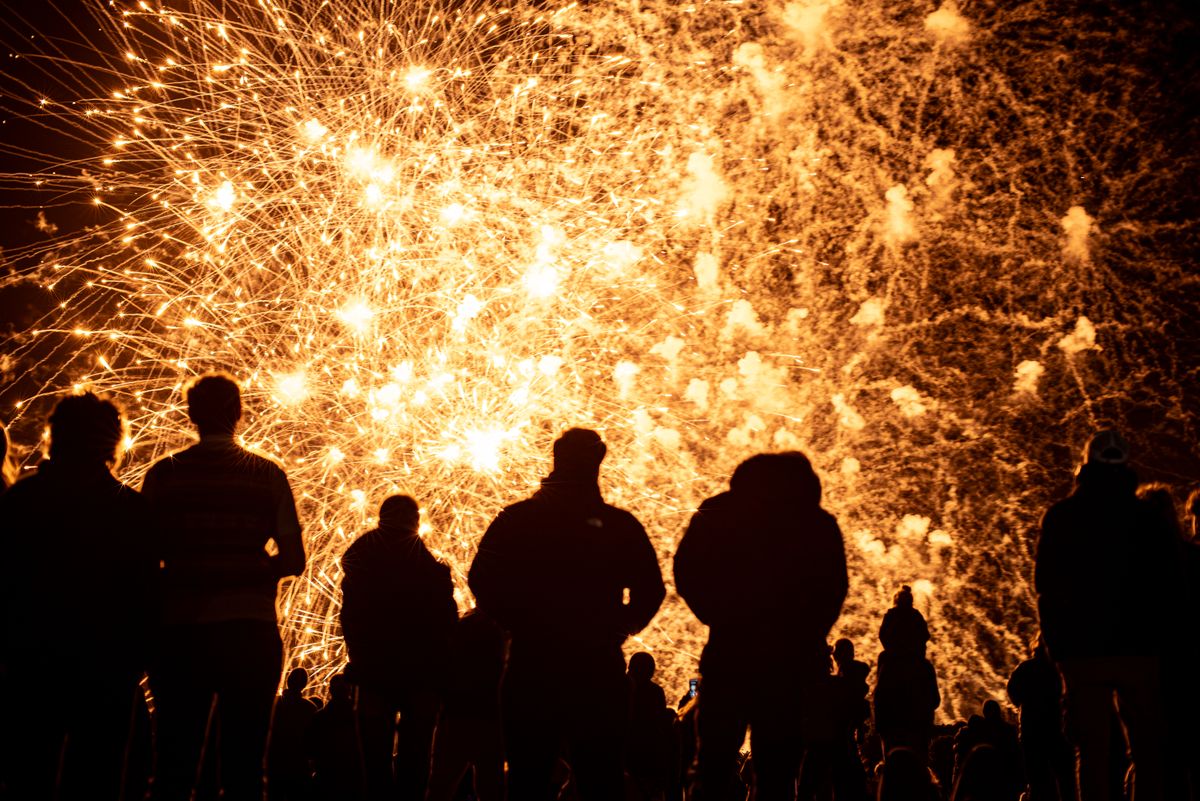
For many Americans, July 4 without fireworks feels almost unthinkable. The sound, smoke, color, and chaos are part of the holiday’s identity, especially in small towns where families gather outside and neighbors turn streets into informal celebration zones. This year, parts of Nebraska are treating that familiar scene as too dangerous. Alliance approved a ban on both the sale and discharge of fireworks inside city limits, while Kimball approved a temporary ban on setting them off from June 24 through July 5.
Other communities, including Harrison, Hemingford, Chadron, and Potter, have also moved toward tighter restrictions. The result is a patchwork of local rules that residents must check carefully before buying, selling, or lighting fireworks.
The real fear is not noise. It is one spark in dry country.
Fireworks complaints often focus on noise, pets, late nights, and safety injuries. Those concerns still matter, but the Nebraska crackdown is being driven by a much larger fear. Officials are worried about wildfires. When grass, brush, fields, and roadside ditches are dry, fireworks become more than a holiday nuisance. A small spark can land in the wrong place, catch quickly, and spread before anyone nearby understands how serious the situation has become.
That is especially true in windy parts of western Nebraska, where flames can move fast across open land. A fire that begins as a backyard mistake can become a call for firefighters, police, emergency managers, and evacuation crews.
The South Fork Fire made the danger feel real.
The South Fork Fire has become a powerful backdrop to the fireworks bans. The fire burned tens of thousands of acres in northwest Nebraska and showed how fast flames can move when the land is dry and conditions are right. For local leaders, this was not a distant warning from another state. It was close enough to change the conversation.
Communities near wildfire activity are not debating fireworks in theory. They are looking at real burned land, real fire crews, real emergency declarations, and real fatigue among responders who have already spent long hours fighting flames. That makes the holiday decision feel less like a culture war over fun and more like a practical question: how much risk should a town accept for one night of celebration?
The $1,000 fine is meant to get attention fast.

The biggest number in the new restrictions is hard to miss. In some places, setting off fireworks could bring fines as high as $1,000. That is not a small slap on the wrist. It is a serious penalty designed to make people think twice before treating a ban like a suggestion. In Alliance, officials have also warned that fireworks can be confiscated and violators may face custodial arrest.
Kimball’s fine structure is also tough, with penalties ranging from $500 to $1,000. During red-flag warnings, the fine can automatically jump to the top level. The message is clear: this is not the year to assume police will look the other way.
Small towns are being forced to choose between tradition and prevention.
The hardest part of the ban is emotional. Fireworks are not just products people buy. They are memories. Parents remember lighting sparklers with their kids. Teenagers remember gathering with friends in the street. Grandparents remember decades of Independence Day nights filled with bright bursts over quiet neighborhoods.
Local leaders know that. Fire chiefs know that. Police officers know that. But officials are also weighing the cost of one preventable fire. That is what makes this story compelling. It is not simply “fireworks are banned.” It is a small town conflict between what people want to celebrate and what communities believe they must protect.
Firefighters are already carrying the burden of a hard season.
Fireworks bans often land on residents, but the people most affected by violations may be firefighters. In many rural communities, fire departments rely heavily on volunteer responders. These are people who may leave their homes, jobs, farms, and families to answer emergency calls. When wildfire activity is already high, holiday fire calls can stretch those crews even further.
A single fireworks-related grass fire may require trucks, water, personnel, dispatch coordination, traffic control, and follow-up patrols. If several calls happen at once, the pressure grows quickly. That is why fire chiefs are pushing for prevention. The best fire on July 4 is the one that never starts.
Buying fireworks may still be legal in some places, but using them may not be

One confusing part of the crackdown is the difference between buying fireworks and setting them off. In some communities, both sale and discharge are banned. In others, residents may still be able to buy fireworks, but they cannot legally use them within city limits. That distinction matters because residents may think a legal purchase means legal use. It does not.
A person could buy fireworks in one area, drive into another community, and violate local rules by lighting them there. That risk is especially high near city limits, village boundaries, or county areas with separate burn restrictions. Before July 4, residents should check the exact rules where they plan to celebrate, not just where they bought the fireworks.
Red flag warnings can make the penalties even tougher.
Red flag warnings are one of the most important details in this story. They are issued when weather conditions create extreme fire danger, often involving dry air, strong winds, heat, and dry fuels. In places like Kimball, red-flag conditions can automatically increase fireworks penalties to $1,000. That means residents cannot only check the calendar. They also need to watch the weather.
A celebration that already carries risk can become even more serious when official fire-danger alerts are in effect. For families planning gatherings, the safest move is to check local notices before the holiday and again on the day of the celebration.
Public celebrations may become the safer middle ground.
A fireworks ban does not have to mean July 4 is canceled. It may mean the holiday shifts away from private backyard fireworks and toward safer community events. Professional fireworks shows, where still allowed, are usually planned with fire crews, safety zones, permits, and emergency response in mind. They are not risk-free, but they are more controlled than hundreds of private fireworks going off across dry neighborhoods.
Some towns may also lean more heavily into parades, cookouts, live music, drone shows, glow sticks, patriotic displays, and family-friendly events that do not send sparks into the air. That shift may disappoint some residents, but it also reflects a new reality. In high-fire-risk areas, celebration has to compete with prevention.
The Nebraska ban may be a warning for the rest of the country.

Nebraska is not the only place where drought, heat, wind, and fireworks can create a dangerous mix. Across the country, July 4 celebrations are increasingly shaped by local fire conditions. That means more Americans may see stricter rules in the years ahead, especially in regions where dry weather and wildfire seasons are becoming harder to ignore.
The Nebraska crackdown shows how quickly a holiday tradition can change when conditions on the ground become dangerous. It also shows that local governments may act fast when they believe waiting could lead to a costly emergency. For residents, the lesson is simple. The rules can vary from one town to the next, and last year’s July 4 tradition may be illegal this year.