Trader Joe’s Expands Nationwide With New Store Openings Across Multiple U.S. States
Trader Joe’s is quietly but steadily reshaping the US grocery landscape once again, announcing a fresh wave of new store openings across the country as demand for its budget-friendly, private-label products continues to grow. The expansion signals another strong year of growth for the cult-favorite grocery chain, which already operates in most US states and is now pushing deeper into new communities.
The company’s latest announcement adds more locations to its already growing pipeline, bringing new stores to both major cities and suburban neighborhoods where shoppers have been requesting access for years.
A Fresh Round of Store Openings Across 14 States
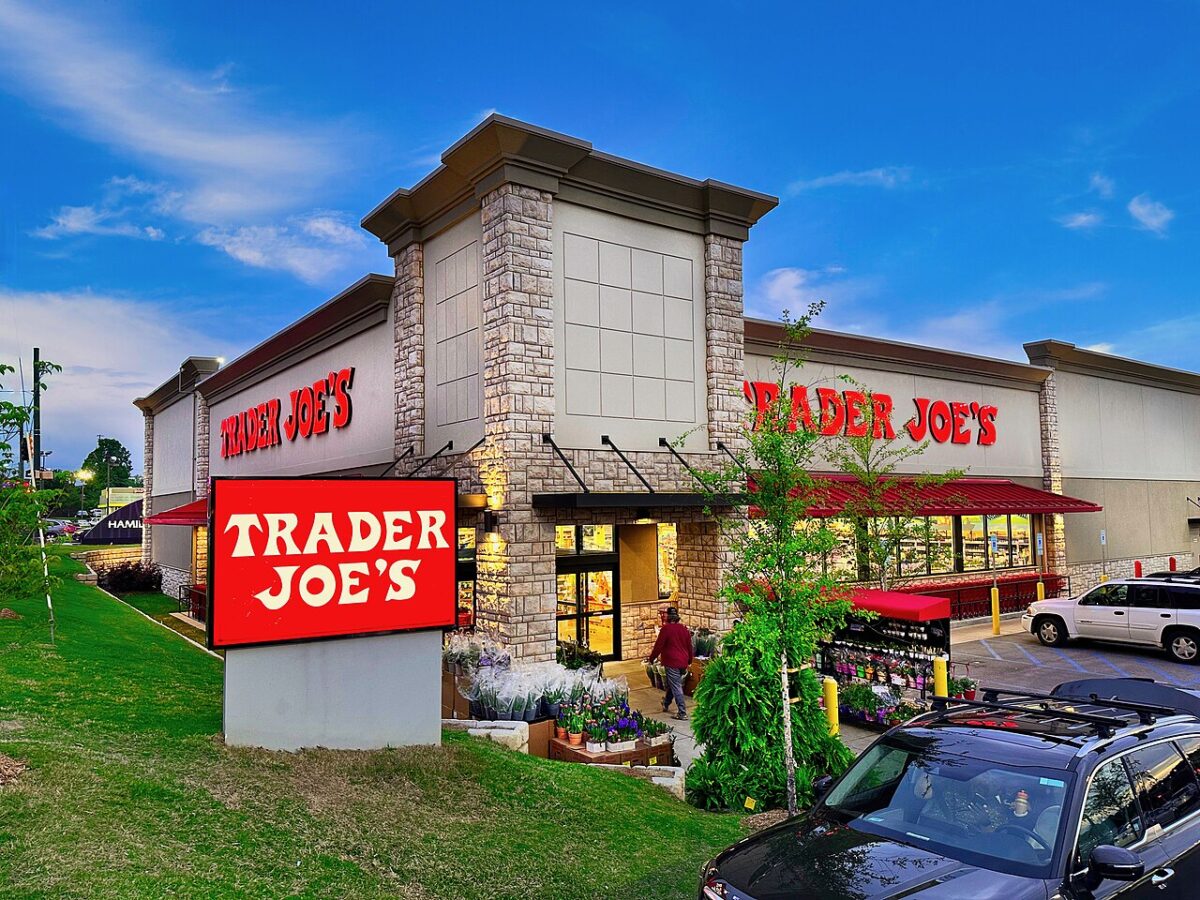
Trader Joe’s is moving forward with plans to open dozens of new stores across 14 states, adding to a national footprint that already spans more than 600 locations. The newest expansion wave includes additional sites in states such as Arizona, Florida, Illinois, Massachusetts, Michigan, New York, Ohio, and Utah.
Some of the confirmed or newly highlighted locations include cities like Phoenix, Chicago, Sarasota, Syracuse, Yonkers, Farmington Hills, and West Jordan, among others. These openings are part of a broader rollout that is expected to bring more than 20 new stores online over the coming months.
While exact opening dates vary by location, many of the stores are already listed as “coming soon” on the company’s official updates page, signaling construction or final planning stages.
Why Trader Joe’s Is Expanding So Rapidly
The expansion comes at a time when grocery competition in the United States is intensifying. Consumers are increasingly looking for stores that combine affordability with quality, and Trader Joe’s has carved out a strong position by focusing on private-label products, simplified store layouts, and consistent pricing.
Unlike traditional supermarkets that carry thousands of brands, Trader Joe’s relies heavily on its own curated product line. This strategy not only reduces supply chain complexity but also builds strong customer loyalty, with many shoppers visiting specifically for seasonal items, unique snacks, and rotating specialty goods.
Industry analysts also point to strong foot traffic and consistent demand as key drivers behind the expansion strategy. In many regions, existing stores have become overcrowded, prompting calls for additional locations in nearby neighborhoods.
Inside the Expansion Strategy: Smaller Stores, High Demand
Rather than building large supermarket-style warehouses, Trader Joe’s continues to favor smaller, neighborhood-focused stores. This model allows the company to enter high-density urban areas and suburban hubs without requiring massive retail footprints.
The approach has proven successful in cities where convenience matters more than scale. Customers often prefer quick shopping trips rather than large weekly supermarket visits, making Trader Joe’s format especially appealing in busy metropolitan areas.
Each new location also typically includes the company’s well-known community donation program, which redirects unsold but edible food to local nonprofits. This has become a core part of the brand’s identity as it expands into new communities.
States Seeing the Biggest Growth
While expansion is spread across the country, some states are receiving a larger share of new stores. Florida, New York, California, and Texas continue to be major growth markets due to population size and strong consumer demand.
Smaller but fast-growing suburban areas are also becoming key targets. Locations in states like Utah, Ohio, and Michigan reflect a broader strategy of entering developing residential zones where grocery demand is increasing alongside population growth.
This mix of urban and suburban expansion shows that Trader Joe’s is not just targeting big cities, but also positioning itself as a neighborhood staple across diverse markets.
What Shoppers Can Expect From the New Locations

Although each store varies slightly depending on local regulations and space, the core Trader Joe’s experience remains consistent nationwide. Customers can expect signature private-label products, seasonal releases, affordable staples, and the chain’s famously simple store layout.
Many of the new locations are expected to feature the same compact design that encourages faster shopping and high product turnover. Some states may also see variations in product offerings due to local laws, particularly regarding alcohol sales.
Shoppers are also likely to see continued emphasis on rotating limited-time products, which have become a major part of Trader Joe’s popularity and online buzz.
A Growing National Footprint That Shows No Signs of Slowing
With this latest wave of openings, Trader Joe’s continues to strengthen its position as one of the most recognizable grocery brands in the United States. The company’s expansion reflects not only consumer demand but also a broader shift in how Americans shop for food, favoring affordability, convenience, and curated selections over massive supermarket inventories.
As more locations open in the coming months, the chain’s presence in everyday American life is set to grow even further, bringing its distinctive shopping experience to thousands of new customers nationwide.