Electric Cars Were Supposed to Save Drivers Money. Now Insurance Bills Are Becoming the New Shock
Electric vehicles were marketed as the future of affordable driving, promising lower fuel costs, fewer maintenance problems, and long-term savings. But a growing number of drivers are discovering an unexpected expense after switching: higher insurance premiums driven by expensive repairs, complex battery systems, and costly replacement parts.
The issue is becoming increasingly important as EV adoption accelerates across the United States. Millions of Americans are now considering electric vehicles, attracted by fuel savings, government incentives, and improved technology. However, the cost of repairing these vehicles after accidents is creating a new challenge that could affect how quickly more drivers switch from gasoline-powered cars.
A small crash can create a massive EV repair bill.
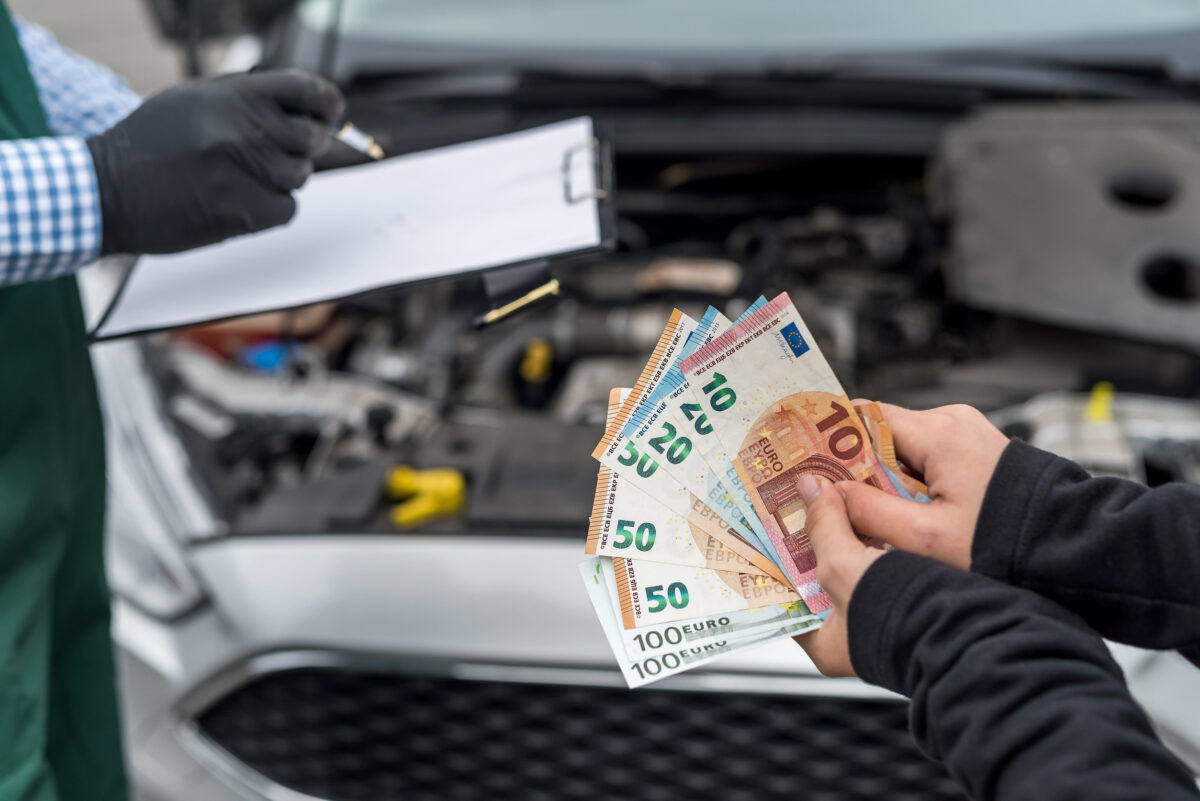
One of the biggest surprises for electric vehicle owners is that a minor accident does not always lead to a minor repair. A dented bumper or low-speed collision may appear harmless, but damage beneath the surface can involve some of the most expensive components in the vehicle.
Unlike traditional cars, EVs contain high-voltage systems that require special inspection after a crash. Charging ports, power electronics, battery protection systems, and electrical connections must be carefully examined before a vehicle can safely return to the road.
In some cases, a collision that would normally require a simple body repair can become a major insurance claim. A damaged charging component or battery-related part can push repair costs into the thousands of dollars, prompting insurers to question whether repairing the vehicle makes financial sense.
Why are electric vehicles becoming more expensive to insure
Insurance companies do not only consider how likely a vehicle is to be in a crash. They also examine how much a typical claim will cost after an accident. Electric vehicles currently face higher repair costs because repairs often require specialized equipment, trained technicians, and expensive parts.
Studies by automotive repair organizations have shown that EV repairs can cost significantly more than those for comparable gasoline vehicles. Repair costs have been reported to be around 20% to 30% higher, while repair times may also increase by roughly 10% to 15% due to parts delays and specialized procedures.
Those extra costs eventually influence insurance pricing. A longer repair period means more expenses for storage, labor, diagnostics, and replacement transportation, increasing the overall cost of a claim.
The battery pack is the biggest financial risk.
The battery remains the most expensive part of most electric vehicles. In many models, the battery system represents approximately 30% to 40% of the vehicle’s total value, making even small battery-related concerns financially significant.
The challenge is that battery damage is not always obvious. A vehicle may look safe from the outside while still requiring detailed testing to determine whether the battery structure, cooling system, or electrical connections have been affected.
If an insurer cannot confidently confirm that a battery system is safe after an accident, replacement may become the preferred option. This can turn a repairable vehicle into a total-loss claim simply because the cost and uncertainty are too high.
Older EVs face a growing total-loss problem.
As early electric vehicles move into the used-car market, repair economics become even more complicated. A new EV with a high purchase price may justify a major repair, but the same damage on a five-year-old vehicle may exceed its remaining value.
This creates a difficult situation for owners of aging electric cars. A vehicle could still have strong battery performance, a reliable motor, and years of useful life remaining, yet a single accident involving expensive components could make it financially impossible to restore.
The problem highlights a major difference between electric and gasoline vehicles. Mechanical parts on older gas-powered cars are often easier to replace through established supply networks, while EV components may require manufacturer-specific solutions.
EV designs are creating unexpected repair challenges.
Automakers have focused heavily on making electric vehicles lighter, more efficient, and easier to manufacture. However, some of those design decisions can create challenges when repairs are needed.
Many modern EVs combine multiple systems into larger integrated units. This approach reduces weight and improves production efficiency, but it can also mean that a damaged individual component cannot be replaced separately.
A damaged charging port, for example, may involve connected electronics, wiring, and control systems. Instead of replacing one small part, repair shops may need to replace an entire assembly, increasing both labor time and cost.
The same challenge applies to battery packs. A protective cover or mounting structure may sustain damage while the battery cells remain functional, but without approved repair methods, the entire battery assembly could be included in the insurance claim.
America’s EV repair workforce is still developing.
The rapid growth of electric vehicles has created a demand for technicians with specialized training. Repairing an EV requires knowledge of high-voltage systems, battery safety procedures, electrical diagnostics, and vehicle-specific software.
Traditional repair experience does not always translate directly to electric vehicles. Technicians need additional training and specialized equipment before they can safely handle damaged EVs.
As more electric vehicles enter American neighborhoods, the shortage of qualified repair professionals could become a bigger factor in insurance costs. Fewer trained technicians can lead to longer repair wait times, fewer available repair facilities, and higher claim expenses.
Parts shortages are adding pressure to insurance prices.
Another factor driving EV insurance costs is the availability of replacement parts. Gasoline vehicles benefit from decades of established supply chains, while many electric models rely on newer systems and fewer suppliers.
When a damaged EV requires a battery component, charging system, or electronic controller, the repair process may slow down while the vehicle waits for replacement parts or manufacturer approval.
A vehicle sitting in a repair facility for several extra weeks increases costs through storage fees, labor delays, and longer rental-car periods. Those expenses are included in the overall insurance calculation.
Lower fuel costs do not always mean lower ownership costs.
Electric vehicles still offer important financial benefits. Many owners save money through reduced fuel expenses, fewer routine maintenance requirements, and lower mechanical complexity.
However, insurance has become one of the biggest factors changing the ownership equation. A driver may save hundreds of dollars each year on gasoline but lose part of those savings through higher insurance premiums.
The real cost of owning an EV is no longer determined only by electricity prices or charging availability. Buyers must also consider repair costs, insurance rates, and long-term vehicle value.
Automakers are working to make EVs easier to repair.
The automotive industry is beginning to recognize that repairability will become a major factor in EV success. Manufacturers are exploring new ways to reduce unnecessary replacements and lower repair costs.
Future electric vehicles may include more replaceable battery components, improved diagnostic systems, and designs that protect expensive parts during common accidents.
The goal is to prevent situations in which a minor collision results in a repair bill large enough to remove an otherwise usable vehicle from the road.
Insurance companies are influencing the next generation of EV design.
Insurance providers are becoming more involved in the engineering of electric vehicles. Repair costs are now considered part of the vehicle ownership experience, not just a problem that appears after a crash.
Future EV buyers may compare vehicles based on more than range, charging speed, and technology features. Repairability could become just as important.
The most affordable electric vehicle may not simply be the one with the lowest purchase price. It may be the one designed to survive accidents without requiring expensive replacements.
The EV insurance problem may improve, but the transition will take time.
The electric vehicle market is still developing, and many of today’s challenges come from rapid growth. As insurers collect more data, technicians gain experience, and manufacturers improve designs, repair costs should become easier to predict.
The industry has already learned valuable lessons from the first generation of modern EVs. Future models will likely place greater emphasis on modular components, accessible repairs, and lower ownership costs.
Electric vehicles have already transformed the automotive industry. The next challenge is making sure they remain affordable after something goes wrong.
For American drivers considering the switch, the biggest question may no longer be how far an EV can travel on one charge. It may be how affordable it is to repair after the unexpected accident.