11 Laundry Mistakes to Avoid
Doing laundry is more than just throwing clothes into a machine, hoping for the best. Many people unknowingly make mistakes that could damage their favorite garments and cause them to wear out faster.
Whether you’re new to laundry or a seasoned pro, it’s essential to understand the common pitfalls that can ruin your clothes and how to avoid them.
Always Read the Care Label on Your Clothes
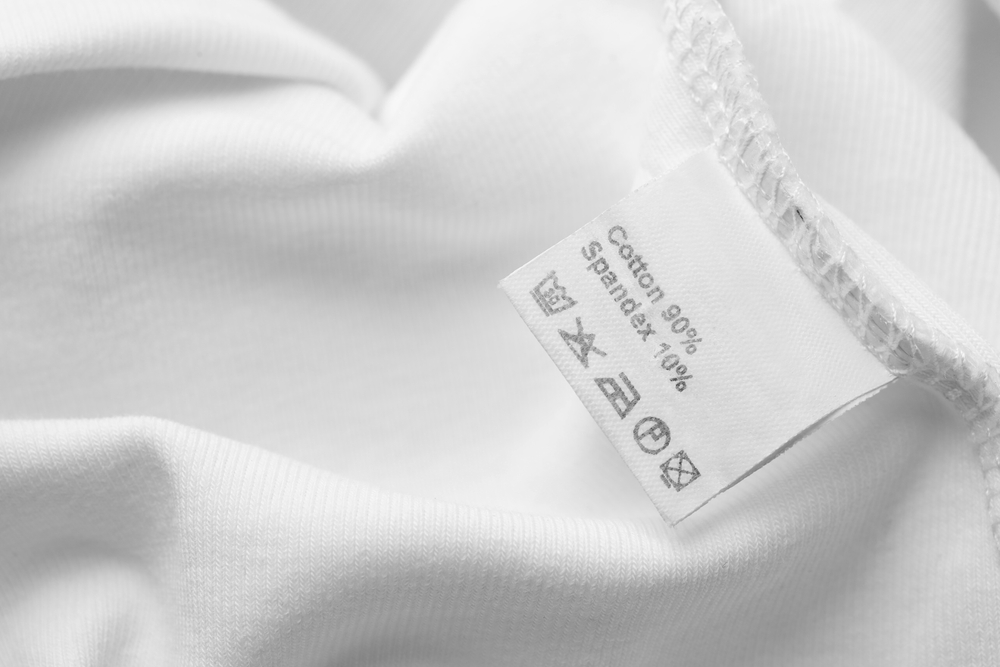
The first step to avoiding laundry mistakes is simple: read the care label. Clothing manufacturers are required by law to include these labels, which provide essential information on how to clean each garment. These instructions are tailored to the fabric, so following them ensures that your clothes are treated with the care they need.
Ignoring these labels can lead to damage like shrinking, stretching, or even discoloration. When in doubt, always trust the manufacturer’s advice on water temperature, drying method, and any other special instructions.
Use the Right Detergent for the Job
Did you know that using the wrong detergent can cause serious harm to your clothes? Most labels provide guidance on the best detergent type for the material. For delicate fabrics, like silk or lace, opt for mild, chemical-free detergents such as Woolite or Tide Free & Gentle. These options are gentler on fabrics and will help preserve their integrity.
Conversely, using strong detergents on sensitive fabrics can lead to fading, wear, or even fabric degradation. Choosing the right detergent is key to preserving the quality of your garments.
Avoid Overloading the Washer
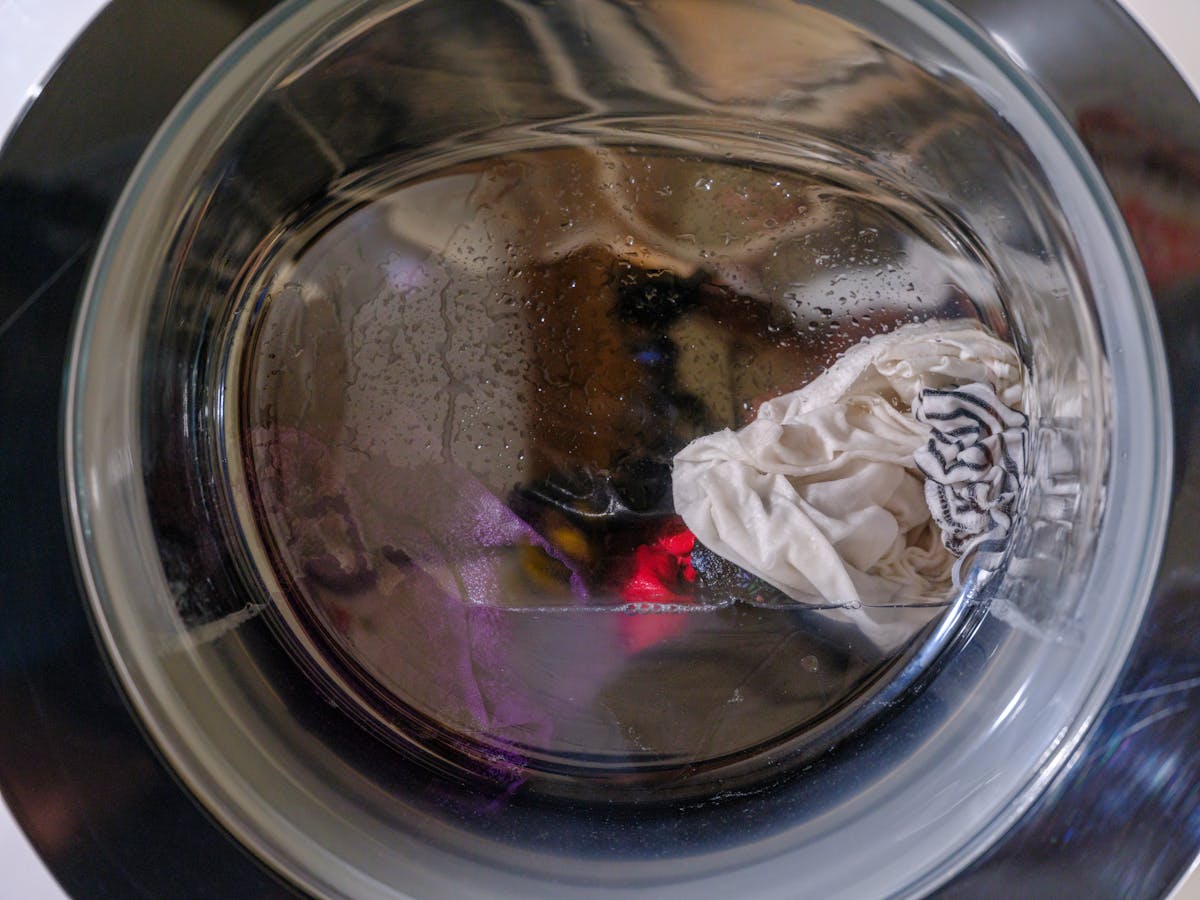
When you’re pressed for time, it’s tempting to stuff the washer full of clothes. However, overloading the machine can seriously affect the cleanliness and longevity of your clothes. Clothes need room to move freely in the wash to dislodge dirt and grime effectively. Overcrowding can cause detergent to build up on fabrics, leading to unpleasant odors and potential fabric damage.
Take the time to do smaller, more efficient loads to ensure your laundry is properly cleaned and your clothes stay in top condition.
The Dangers of Hot Water on Your Clothes
Hot water may seem like the best solution for removing stubborn stains, but it’s often too harsh for most fabrics. High temperatures can cause the fibers in your clothes to break down, leading to fading, shrinking, or even fabric weakening over time.
Instead, opt for cold or warm water whenever possible, especially for delicate fabrics or dark clothes that you want to preserve. Hot water should be used only for heavy-duty fabrics like towels, or for washing items with tough stains that require a more intense clean.
Treat Stains Immediately
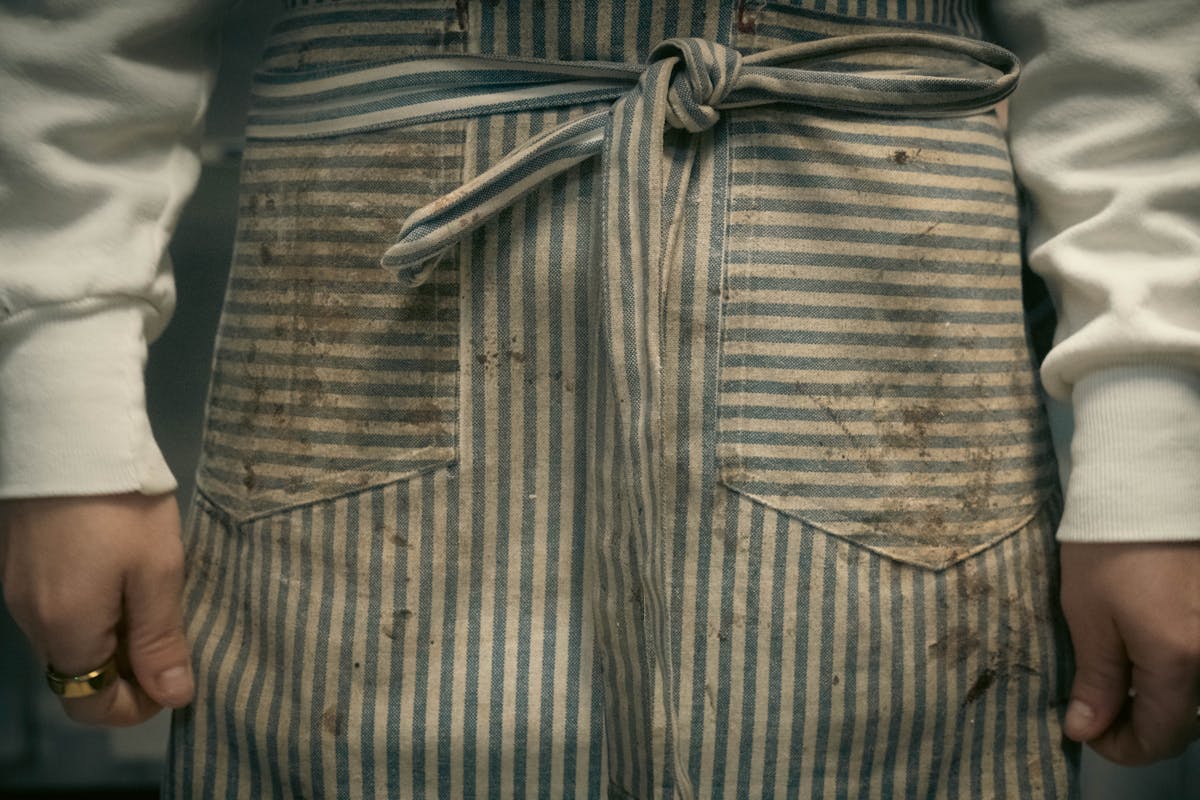
The longer a stain sits on your clothes, the harder it will be to remove. Stains left untreated can set in, making them more difficult to treat later. If you notice a stain, treat it immediately. The sooner you respond, the greater your chance of removing it successfully.
For different stains, it’s crucial to know how to treat them properly. For example, grease stains respond best to dish soap, while blood stains respond best to cold water. Always test a small area before using any stain-removal solution to avoid damaging the fabric.
Avoid Scrubbing Stubborn Stains
When dealing with stains, it’s essential to avoid scrubbing the fabric. While it may be tempting to rub vigorously, this can stretch and distort the fabric, potentially worsening the stain. Instead, use a soft cloth or sponge to gently blot the stain, working from the outside in.
This method is far gentler on your clothes and can prevent the stain from spreading or embedding deeper into the fibers.
Drying: The Less Is More Approach
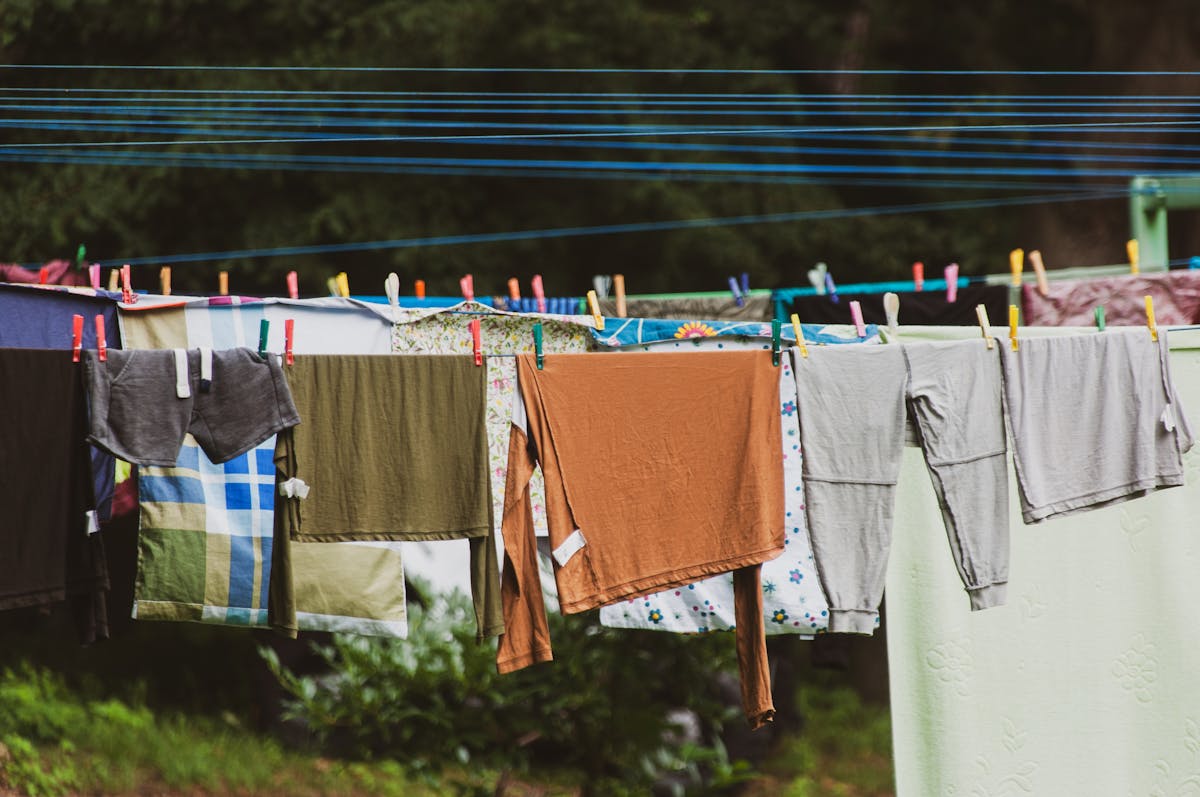
While dryers are convenient, they aren’t always the best option for drying your clothes. The intense heat can accelerate fabric degradation and wear and tear, especially on delicate fabrics or items like jeans and sweaters.
Whenever possible, air-dry your clothes. Line drying or laying them flat to dry helps prevent the fibers from breaking down too quickly and keeps them looking fresh longer. If you must use the dryer, set it to a lower heat setting to reduce stress on your clothes.
Maintain Your Washer and Dryer Regularly
Your washing machine and dryer are your workhorses for laundry, but they also need some TLC to function optimally. Neglecting to clean your appliances can lead to poor performance, longer drying times, and even safety hazards.
Clean the lint trap in your dryer after every load to reduce fire risk, and consider having the dryer vent professionally cleaned annually. Regular maintenance will keep your appliances in top shape and ensure your clothes receive the best possible treatment.
Don’t Use Too Much Detergent
It’s easy to assume that more detergent means a better clean, but that is not true. Using excess detergent can leave a residue on your clothes that’s hard to rinse out, leading to skin irritation and soap buildup. In some cases, too much detergent can also lead to odors and poor performance during the wash cycle.
Stick to the recommended amount on the detergent packaging. If you notice excess suds during the wash, you’re likely using too much detergent, which could cause unnecessary issues with your clothing.
Pay Attention to Delicate Fabrics
Delicate fabrics, such as wool, silk, and lace, require special care during laundry. These fabrics are more prone to damage from harsh detergents, high water temperatures, or rough handling during washing. Always follow the care label’s instructions for delicate items and avoid using the same settings as for your everyday clothes.
For especially delicate pieces, hand washing is often the best option. If you’re using a machine, choose the gentle cycle and wash delicates in a mesh bag to protect them from snags.
Don’t Let Clothes Sit Wet
Leaving wet clothes in the washer for an extended period can lead to mildew and musty odors. To prevent this, always remove clothes from the washer promptly after the cycle is finished. If you’re unable to get to your laundry immediately, rewash the clothes to eliminate the smell and prevent bacterial growth.
Conclusion
Laundry might seem like a mundane task, but it plays a significant role in the longevity of your wardrobe. By avoiding these common laundry mistakes, you can preserve the integrity of your clothes, save money on replacements, and keep your wardrobe looking fresh and vibrant.
Remember to follow the care label instructions, use the right detergent, avoid overloading your washer, and treat stains immediately. A little extra care goes a long way in protecting your clothes from wear and tear.