PepsiCo’s Snack Empire Faces a New Reality as Americans Rethink What They Eat
For decades, PepsiCo’s snack business represented one of the safest bets in the food industry. A bag of Lay’s at a family gathering, Doritos during a football game, or Cheetos as a quick afternoon treat became deeply connected to American routines. Now, that powerful habit is beginning to change as consumers rethink their relationship with snacks.
PepsiCo’s snack business is facing growing pressure from several directions at once. Rising food prices, changing health priorities, the growing use of GLP-1 weight-loss medications, and demand for more nutritious options are reshaping the way Americans shop.
The company’s recent results reveal a difficult reality. Lower prices alone are no longer enough to bring consumers back. PepsiCo is discovering that its biggest challenge is not simply selling more snacks, but adapting to a culture that is becoming more selective about what goes into the shopping cart.
The snack giant that built America’s cravings is losing momentum.

PepsiCo spent decades creating one of the world’s strongest snack portfolios. Through brands such as Lay’s, Doritos, Cheetos, Ruffles, and Tostitos, the company turned simple packaged foods into cultural symbols. These products became part of everyday moments, from movie nights to celebrations and quick meals.
That success created a powerful business model based on frequency. Consumers did not need a special occasion to buy snacks. They purchased them because they were familiar, convenient, and widely available. For years, this predictable demand helped make PepsiCo’s snack business one of the company’s most important growth engines.
However, recent financial results show that the old formula is facing pressure. PepsiCo’s North American food division reported a 2% sales decline in the second quarter, while volume remained flat. The slowdown came even after the company reduced prices on several major products.
The results marked a setback after early signs of improvement. Earlier in the year, PepsiCo’s North American food business posted modest volume growth, prompting some investors to believe the company’s recovery was gaining momentum. That momentum has since weakened, with food volumes declining in four of the last six quarters.
The problem is significant because snacks remain central to PepsiCo’s identity. The company’s food brands generate a large share of its annual revenue, meaning weakness in the snack category directly affects its broader growth strategy.
For PepsiCo, the question is becoming more complicated than how to increase sales. The company must understand why consumers who once bought its products regularly are now making different choices.
Lower prices could not solve the deeper consumer shift.
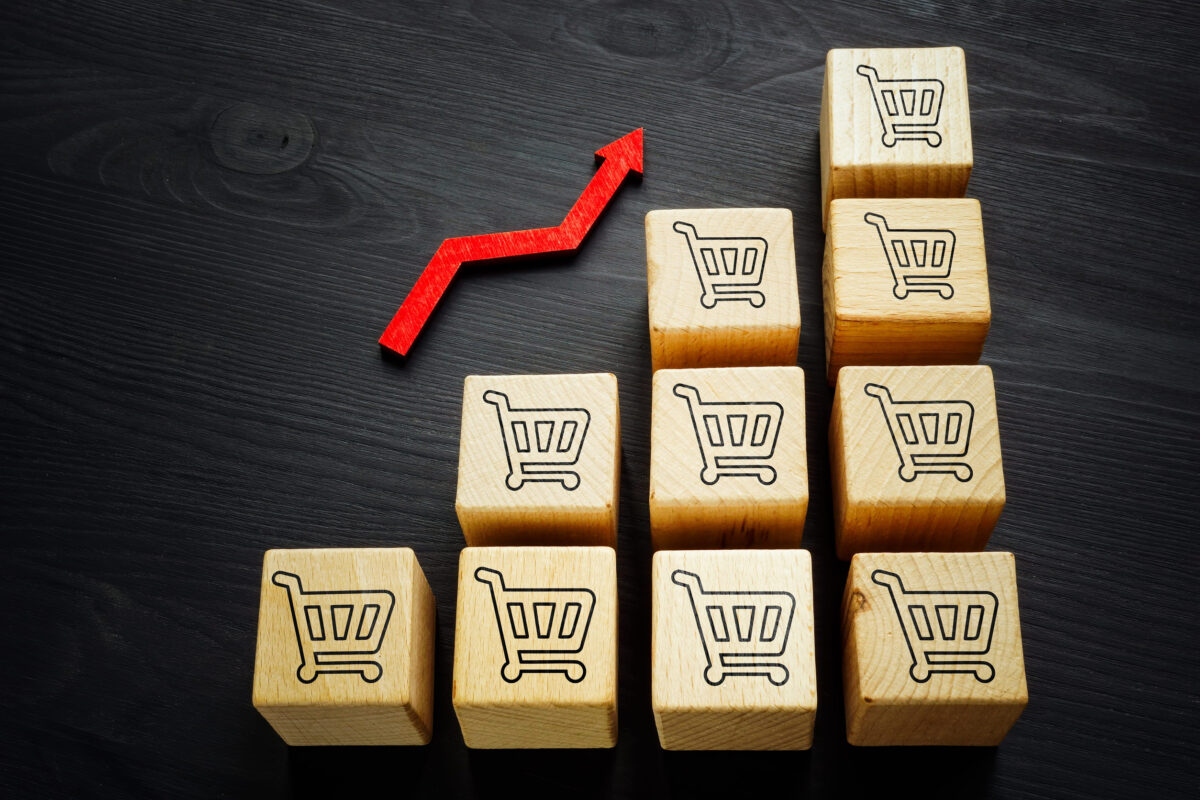
When companies face weaker demand, price reductions are often one of the first tools they use. PepsiCo followed that familiar strategy by cutting prices on some major snack products. The company hoped affordability would encourage shoppers to return to brands they knew well.
Instead, the results suggest that the issue goes beyond cost. Consumers are not simply avoiding snacks because prices are higher. Many are reconsidering how those products fit into their health goals, eating patterns, and financial priorities.
This poses a greater challenge for PepsiCo’s snack business. A lower price may attract a customer who wants a bargain, but it may not change the decision of someone who has decided to reduce processed foods or avoid unnecessary purchases.
The shift reflects a broader change in American consumer behavior. After years of rising grocery bills, many households are examining every purchase more carefully. Shoppers are comparing prices, choosing smaller quantities, and questioning whether certain items provide enough value.
The snack aisle has become part of that decision-making process. Consumers who once automatically picked up familiar products are now paying closer attention to ingredients, nutrition labels, and alternatives.
This does not mean Americans have completely abandoned snacks. Instead, the role of snacks is changing. Products that once represented everyday indulgence are increasingly competing against foods marketed around health, convenience, and nutritional benefits.
The challenge for PepsiCo is finding a way to remain relevant during that transition. The company must protect the strength of its traditional brands while responding to consumers seeking something different.
GLP-1 medications are changing the way America thinks about snacking
One of the biggest forces affecting PepsiCo’s snack business is the rise of GLP-1 weight-loss medications. These treatments have become increasingly common and have influenced how many consumers approach hunger, portion sizes, and food choices.
According to PwC’s analysis of Numerator data, GLP-1 adoption among U.S. households reached 21% in May 2026, up from 9% in January 2025. The growing use of these medications has created ripple effects across industries connected to food consumption.
For snack companies, the impact is especially important. Many GLP-1 users report changes in appetite and eating habits. Some reduce purchases of sweets, salty snacks, and other foods traditionally associated with impulse eating.
The trend is part of a larger movement toward intentional eating. Consumers are increasingly searching for products with higher protein, lower sugar, added fiber, and clearer nutritional benefits.
Analysts have described this change as a move away from automatic snacking. Instead of grabbing a product out of habit, consumers are asking whether the food supports their personal goals.
That shift challenges a business model built around convenience and emotional connection. PepsiCo’s snack business has historically succeeded because consumers enjoyed the experience associated with its products. Now, the company must create new reasons for consumers to choose those products.
The rise of healthier eating trends also creates opportunities. PepsiCo has the resources, distribution network, and brand recognition to compete in emerging categories. The challenge is whether it can adapt quickly enough.
PepsiCo is caught between health trends and financial pressure.
The pressure on PepsiCo’s snack business is not coming from a single trend. The company is facing competition from both sides of the market.
Health-focused brands are attracting consumers who want snacks with functional benefits. At the same time, private-label products are gaining attention among shoppers looking for lower prices.
This puts traditional packaged snack companies in a difficult position. They must compete with premium products on health and with cheaper alternatives on affordability.
The middle of the market is becoming more challenging. Consumers are still interested in convenience, but they increasingly expect more value from the products they buy.
This transformation is visible across the food industry. Companies that once relied on brand loyalty are now facing consumers who are more willing to experiment with new options.
PepsiCo’s size gives it major advantages. The company has global distribution, strong relationships with retailers, and some of the most recognizable food brands in the world. However, its scale can also make rapid change more difficult.
Smaller companies often move faster because they can launch products quickly and respond directly to changing preferences. PepsiCo must balance innovation with the protection of the brands that built its success.
The company’s future growth may depend on how effectively it can combine its traditional strengths with new consumer expectations.
Investors are questioning whether PepsiCo can move fast enough.
The slowdown in PepsiCo’s snack business has increased pressure from investors. Activist investor Elliott Investment Management has pushed the company to improve performance, strengthen shareholder returns, and reconsider parts of its portfolio.
Investor concerns reflect a larger question about PepsiCo’s direction. Can a company built around traditional snacks successfully transform itself as consumer preferences change?
The contrast with competitors has also drawn attention. PepsiCo’s recent challenges stand out as rival beverage companies have delivered stronger results in certain areas. Market performance has reflected those differences, with investors rewarding companies that appear better positioned for current trends.
Stephanie Link, chief investment officer at Hightower Advisors, which owns PepsiCo stock, said investors want stronger volume growth after the company lowered prices.
That concern highlights the central problem facing PepsiCo. Price cuts can temporarily boost sales, but long-term growth requires stronger consumer demand.
Marketing analysts have also pointed to the importance of speed. Katherine Machado O’Hara, founder of The Oxigeno Project, argued that PepsiCo must improve its ability to bring relevant products to consumers faster.
The company’s challenge is not a lack of resources. It is the need to use those resources in a market that is changing faster than traditional food companies are accustomed to.
The future of PepsiCo’s snack business depends on reinvention.
The story of PepsiCo’s snack business is not simply about declining sales. It reflects a much larger transformation in how Americans think about food.
Snacking remains a major part of daily life, but the reasons behind those purchases are changing. Consumers want convenience, but they also want products that match their health goals, budgets, and lifestyles.
PepsiCo does not need to abandon its iconic brands. Lay’s, Doritos, and Cheetos remain among the strongest names in food. However, the company may need to rethink how those brands fit into a changing marketplace.
The next phase of growth could depend on creating snacks that feel familiar while addressing modern expectations. That could mean more protein-focused products, healthier ingredients, smaller portions, or new categories that appeal to evolving consumer habits.
The company built its empire by understanding what people wanted to eat. Now, PepsiCo faces a different challenge: understanding what people are choosing not to eat.
The future of PepsiCo’s snack business will depend on whether it can adapt before consumer habits move even further away from the products that made it successful. The snack aisle is still crowded, but the rules that once governed it are being rewritten.