Oil Prices Rise Again as Iran Tensions Shake Energy Markets and Raise Concerns for American Families
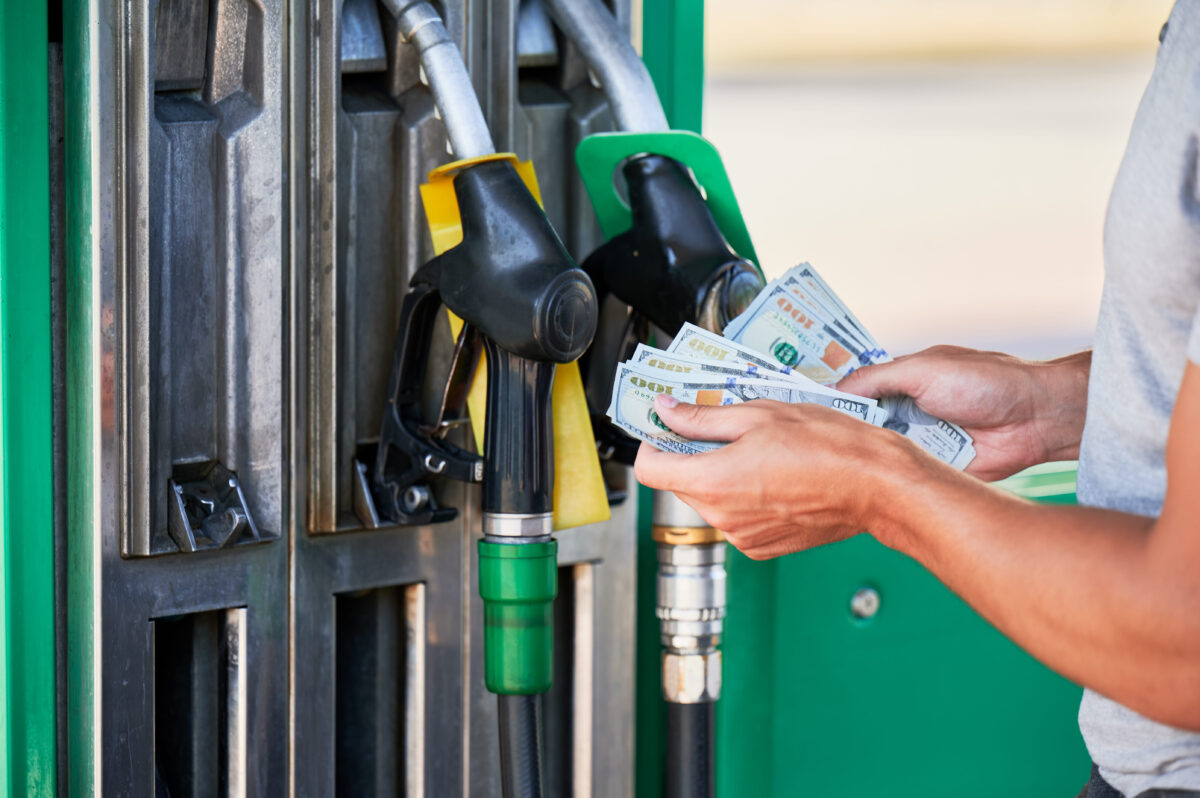
For millions of Americans, a conflict thousands of miles away may not feel real until it reaches something familiar: the price at the gas pump.
That connection is becoming clearer as renewed tensions involving Iran continue to pressure global energy markets, pushing oil prices higher and raising questions about what the impact could mean for drivers, businesses, and families already managing everyday expenses.
Recent market movements show how quickly geopolitical events can affect the global economy. Physical crude prices have climbed sharply as investors and energy companies watch disruptions linked to conflicts involving Iran and other regions. Reuters reported that some physical crude grades moved close to $110 per barrel, while Brent crude reached levels not seen since late May.
For households, the biggest concern is simple: will higher oil prices eventually lead to higher costs for fuel, food, transportation, and other daily needs?
A global energy route that affects everyday life
The reason oil markets react so strongly to Middle East tensions is connected to geography.
The Persian Gulf remains one of the world’s most important energy regions, and any uncertainty around major shipping routes can influence how traders, companies, and governments prepare for possible disruptions.
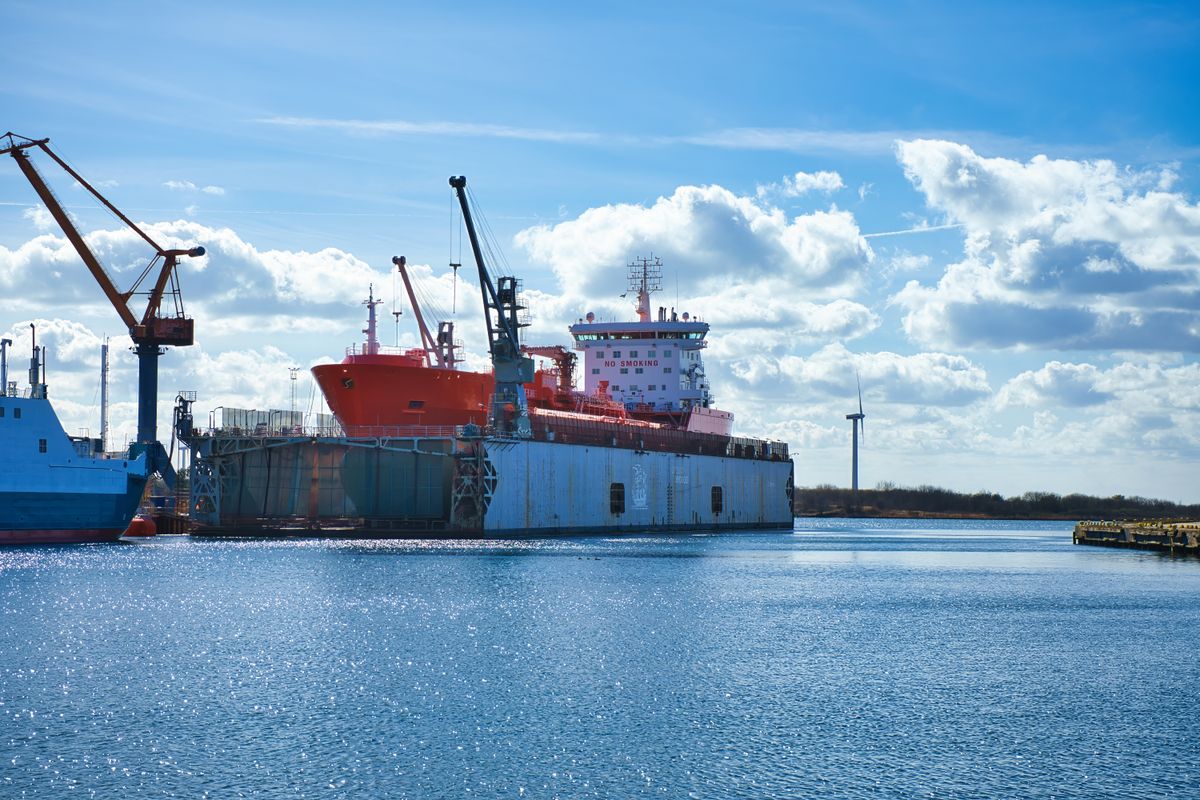
The Strait of Hormuz has long been considered a critical passage for global energy supplies. When shipping activity becomes uncertain, markets often respond before any actual shortage occurs because businesses begin preparing for possible risks.
That reaction can create a chain effect.
Oil companies monitor supply concerns. Shipping firms review routes and insurance costs. Investors adjust expectations. Eventually, consumers may feel the impact through higher fuel prices or increased costs for goods that depend on transportation.
Why drivers are watching the gas pump again

The first place many Americans notice changes in oil markets is often the gas station.
Fuel prices can affect almost every part of daily life because transportation is connected to commuting, deliveries, agriculture, and business operations.
Recent reporting has highlighted concerns that continued energy market pressure could increase costs for consumers. Some media outlets have, however, reported that higher oil prices could eventually affect areas such as gasoline, groceries, and other household expenses.
For families already balancing rent, food costs, and other bills, even a modest increase in fuel expenses can create another financial challenge.
The impact is also felt beyond personal vehicles.
Delivery companies, airlines, manufacturers, and retailers all depend on transportation networks. If fuel and shipping costs rise, businesses may face difficult choices about absorbing expenses or adjusting prices.
Businesses feel the pressure before shoppers do
When energy markets become unstable, companies often react quickly.
A trucking company may face higher fuel expenses. A manufacturer may see transportation costs increase. A retailer may have to manage more expensive shipping routes.
These changes do not always appear immediately in consumer prices, but businesses closely monitor energy markets because fuel costs influence planning and operations.
Reuters reported that disruptions affecting oil flows have increased demand for alternative supply routes and created greater volatility in crude markets.
For small businesses especially, unpredictable costs can make budgeting more difficult.
A restaurant owner planning monthly expenses, a delivery driver calculating fuel costs, or a family preparing for a road trip may all be affected by the same global market forces.
Markets wait for signs of stability

Investors are now watching whether the current energy market pressure becomes a short-term reaction or develops into a longer disruption.
Reuters reported that oil prices have risen as traders assess the possibility of supply problems linked to Middle East tensions.
At the same time, analysts are watching other factors that could influence prices, including production levels, shipping conditions, and diplomatic developments.
Oil markets are complicated because prices are shaped by more than one event. Supply, demand, economic conditions, and political developments all play a role.
That means a calming of tensions could reduce pressure, while further disruptions could keep uncertainty high.
The bigger question: how long will consumers feel the impact?
The most important issue for many households is not what happens on a trading screen. It is what happens in their monthly budgets.
Energy costs have a way of spreading throughout the economy. Fuel affects transportation. Transportation affects businesses. Business costs can influence the prices consumers see.
However, higher oil prices do not automatically mean every household will immediately face higher bills. The final impact depends on how long price increases last and how businesses respond.
That uncertainty is what makes energy markets closely watched around the world.
A reminder that global events can reach local wallets
The latest oil market moves show how connected the modern economy has become.
A decision made by governments, a conflict involving major energy producers, or uncertainty around a major shipping route can eventually affect people far away from the original event.
For American families, the next few weeks will likely come down to one question: whether energy markets settle or whether another wave of uncertainty keeps pushing costs higher.
For now, drivers, businesses, and investors are watching the same thing: what happens next in one of the world’s most important energy regions.