Two U.S. Troops Killed in Jordan as Iran Conflict Enters a More Dangerous Phase
The most difficult question after the latest Iran attack in Jordan is not only how two American service members were killed, but what happened to the one who has not returned. A deadly missile and drone assault on U.S. forces in Jordan has created a new moment of uncertainty in the escalating confrontation between Washington and Tehran.
The attack has pushed the conflict beyond another exchange of military strikes. It has raised concerns about the safety of American troops overseas, the stability of U.S. alliances in the Middle East, and the possibility that a regional confrontation could expand further.
Two U.S. service members were killed, and one remains missing after Iranian ballistic missiles and drones targeted American forces in Jordan, according to U.S. Central Command. Several other troops were injured but later received treatment and returned to duty.
The missing service member has added a deeply human dimension to the crisis. A confirmed death brings grief, but a missing soldier creates an uncertain wait for families, commanders, and an entire military community searching for answers.
A Missing American Troop Turns a Battlefield Attack Into a Human Crisis
The Iran attack in Jordan has created a situation familiar to military communities throughout history: the painful uncertainty surrounding a missing service member. While officials confirmed two deaths, the search for the missing troop remains an unresolved part of the attack.
For families, missing personnel cases are among the most difficult experiences of war. There is no immediate closure, no final farewell, and no certainty about what happened. Instead, relatives face days of questions while military officials work to gather information.
The U.S. military has treated missing service members as a priority throughout modern conflicts. From the Vietnam War to operations in Iraq and Afghanistan, recovery efforts have often continued long after the original battle ended.
The search process can involve intelligence analysis, battlefield assessments, and coordination between multiple military units. In an active conflict zone, those efforts become even more complicated because forces must protect recovery teams while preparing for additional attacks.
The missing service member also creates pressure on political leaders. Military deaths often influence public opinion, but missing personnel cases create a different emotional response because the story remains unfinished.
The Iran attack in Jordan is therefore not only a question of military losses. It is also a story about families waiting, commanders searching, and a nation seeking answers.
The Strike Reveals the Hidden Weakness Inside America’s Middle East Strategy
The latest attack exposed a difficult reality for Washington. The extensive U.S. military presence across the Middle East provides strategic advantages, but it also creates a wide network of potential targets.
American bases in the region support defense operations, intelligence gathering, and partnerships with allied governments. They allow the United States to respond quickly to threats and maintain influence in a strategically important area.
However, Iran’s use of drones and ballistic missiles has shown that even advanced military positions remain vulnerable. Modern warfare has changed because smaller weapons can now create major political and military consequences.
A relatively inexpensive drone can force a powerful military to spend significant resources on defense. A successful strike against an American installation can also create pressure on leaders to respond.
This challenge is not new. Throughout history, powerful nations have struggled to protect overseas forces spread across distant regions. Military reach can provide influence, but it can also create exposure.
The Iran attack in Jordan highlights this balance. The United States depends on regional bases to maintain security, yet those same locations place American personnel closer to potential threats.
The question facing military planners is becoming increasingly complex: how can a nation maintain a global presence while protecting every location from evolving threats?
Jordan Became a Front Line in a Conflict It Did Not Choose
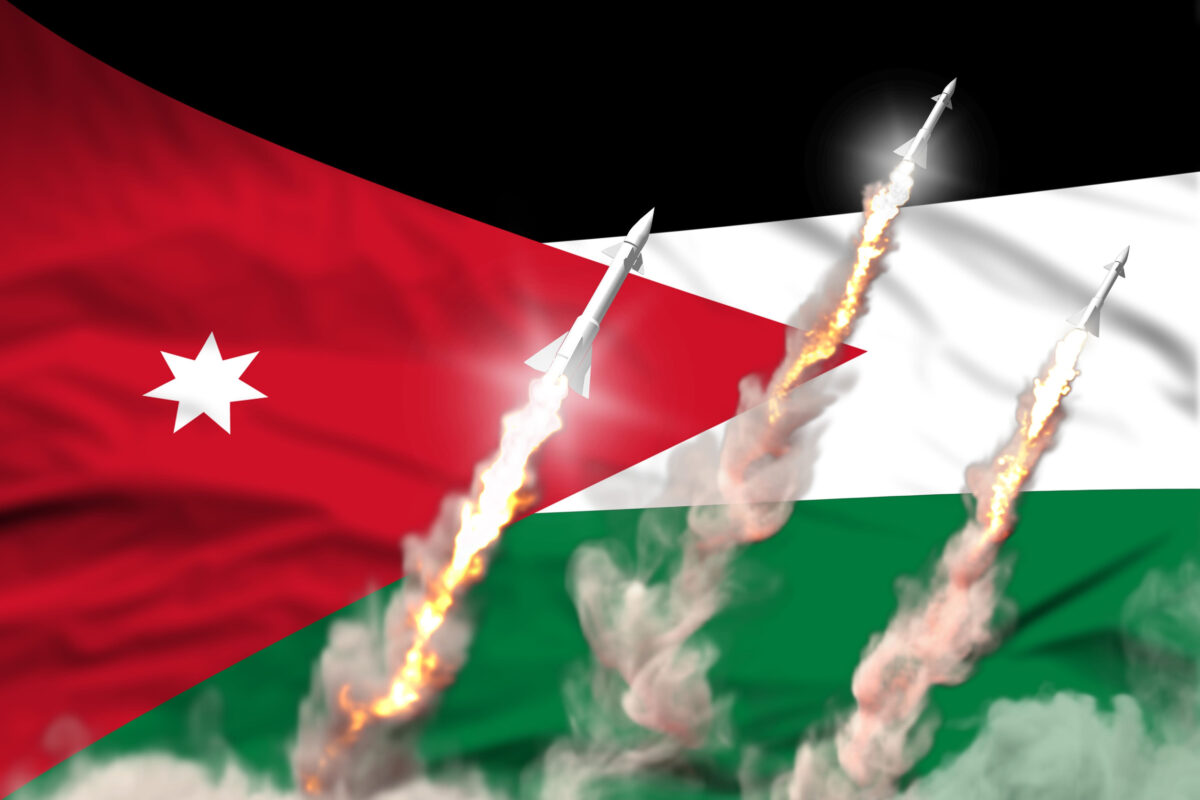
Jordan’s role in the conflict demonstrates how regional geography can pull smaller nations into disputes between larger powers. The country has long maintained security cooperation with the United States while attempting to preserve stability in a volatile neighborhood.
Its location makes Jordan strategically important. The country sits near Iraq, Syria, and Israel, placing it close to several major areas of tension. This position has made Jordan a valuable partner for Western security efforts.
At the same time, geography has created new risks. The Iran attack in Jordan shows how quickly another country’s confrontation can reach across borders.
Jordanian forces have previously intercepted threats entering their airspace during periods of regional tension. These actions demonstrate the country’s role in protecting its territory and supporting wider security efforts.
However, every defensive decision carries political consequences. Greater cooperation with Washington may strengthen security ties but could also increase criticism from Tehran and other regional actors.
History provides many examples of countries becoming unintended participants in larger conflicts. During the Cold War, smaller states often faced pressure because of their strategic location between competing powers.
The Iran attack in Jordan reflects that same challenge. A country seeking stability can still become a frontline state when larger rivals compete for influence.
Iran’s Missile and Drone Strategy Shows the Changing Face of Modern Warfare
The attack also reveals how Iran has adapted its military strategy. Instead of attempting to match American conventional power directly, Tehran has focused on weapons that can challenge stronger opponents at a lower cost.
Drones and ballistic missiles have become central tools in modern conflicts. They allow countries to strike distant targets, create uncertainty, and test the defensive capabilities of technologically advanced militaries.
This trend has appeared in several conflicts around the world. From attacks involving drones in Ukraine to missile campaigns in the Middle East, smaller and cheaper systems have changed how governments think about defense.
For the United States, the challenge is significant. Protecting bases from every possible drone and missile threat requires expensive defense systems and constant readiness.
Iran’s strategy appears designed to demonstrate that American military power has limits. By targeting regional facilities, Tehran can create pressure without engaging in direct conventional warfare.
The attack in Jordan shows how modern conflicts are increasingly shaped by technology, cost, and strategy rather than solely by traditional military strength.
Each Retaliatory Strike Creates New Risks of Escalation
Following the Iran attack in Jordan, the United States launched additional strikes against Iranian targets. Washington said the operations were intended to reduce Iran’s ability to threaten American forces and commercial shipping.
The response reflects a familiar principle of military deterrence. Governments often believe that failing to respond to attacks can encourage future aggression.
However, retaliation also carries risks. Each strike can create new casualties, damage infrastructure, and increase pressure for another response.
The current confrontation between Washington and Tehran follows a pattern seen in previous international crises. One side takes military action, the other responds, and both argue that their actions are necessary.
During the Cold War, leaders often avoided direct conflict because they understood how quickly smaller confrontations could escalate. The same concern exists today.
The Iran attack in Jordan has created a difficult strategic dilemma. The United States wants to protect its forces and maintain credibility while also avoiding a conflict that widens and becomes more difficult to control.
The challenge is not only deciding when to respond. It is deciding when further responses pose more danger than they provide security.
The Strait of Hormuz Connects the Battlefield to the Global Economy
The consequences of the attack in Jordan by Iran extend beyond military concerns. The conflict has also heightened fears about the Strait of Hormuz, one of the world’s most important energy routes.
A large portion of global oil and natural gas shipments passes through the narrow waterway between Iran and Oman. Any disruption can influence energy prices, shipping costs, and economic confidence.
The United States has argued that protecting commercial shipping is essential for global stability. Iran has viewed control over regional waterways as a major source of strategic influence.
History shows that conflicts involving energy supplies can have worldwide effects. The oil crises of the 1970s demonstrated how instability in producing regions could affect inflation and economic growth internationally.
Today, markets react quickly to uncertainty. Even the possibility of shipping disruptions can increase costs for businesses and consumers.
The Iran attack in Jordan is therefore part of a much larger struggle involving security, trade, and global economic stability.
Civilian Infrastructure Becomes Another Concern as Fighting Expands
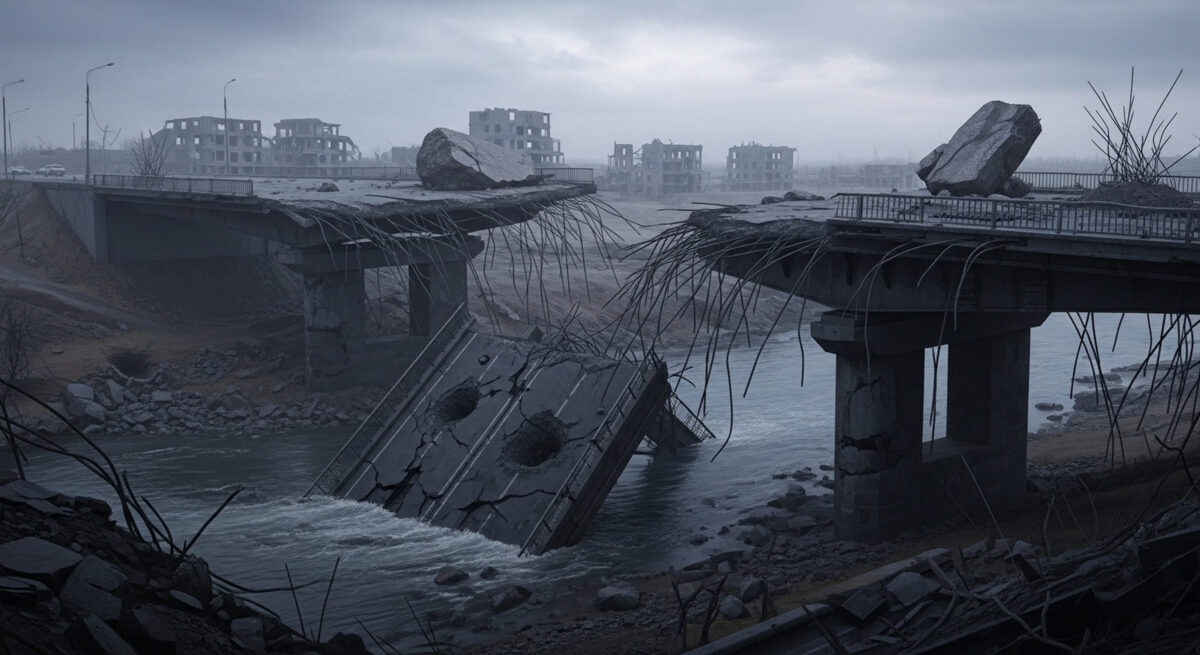
As the conflict grows, concerns are increasing about the impact on civilian infrastructure. Modern wars often affect systems that people depend on every day, including electricity networks, transportation, and water supplies.
Military officials may argue that some infrastructure supports defense operations. However, damage to these systems can create consequences far beyond the original military objective.
Previous conflicts have shown that rebuilding essential services can take years. Civilian populations often experience the longest-lasting effects after the fighting ends.
International law requires military forces to consider civilian harm and avoid unnecessary destruction. These principles become increasingly difficult to apply when military and civilian systems overlap.
The Iran attack in Jordan demonstrates how regional conflicts can affect people who have no role in the fighting.
The longer the confrontation continues, the greater the risk that civilians become the main victims of decisions made far from the battlefield.
A Failed Peace Effort Leaves Diplomacy Facing a Greater Challenge
The latest escalation comes after previous efforts to reduce tensions failed to produce lasting stability. A temporary ceasefire slowed the fighting but did not resolve the deeper disagreements between Washington and Tehran.
The disputes involve sanctions, military operations, regional influence, and security guarantees. Without agreement on these issues, temporary pauses remain fragile.
History shows that ceasefires often fail when opposing sides lack trust or a shared understanding of the agreement. Ending violence requires more than stopping attacks. It requires addressing the reasons behind them.
The Iran attack in Jordan has made diplomacy more difficult because casualties increase political pressure. Leaders face expectations to respond strongly rather than compromise.
Yet many conflicts eventually reach a point where continued fighting becomes more costly than negotiation.
The challenge for both sides is recognizing that moment before another attack creates another round of escalation.
The Unanswered Question After Jordan’s Deadly Attack
The Iran attack in Jordan will be remembered not only because two American troops were killed, but because one service member remains missing. That unanswered question represents the most personal consequence of a conflict measured through statistics and military reports.
Behind every casualty figure are families waiting for information, communities preparing for loss, and service members carrying the responsibility of dangerous missions.
The attack has exposed vulnerabilities in America’s regional military strategy, highlighted Jordan’s difficult position and demonstrated how quickly modern conflicts can spread.
The future of the U.S.-Iran confrontation will depend on whether leaders can prevent retaliation from becoming a permanent cycle. Military power can influence events, but it cannot guarantee control over every consequence.
The most important question may not be who wins the next exchange, but whether it can be avoided before more families are left waiting for answers.