Andrew and Tristan Tate arrested in Miami as extradition battle puts internet fame under scrutiny
The internet can create global celebrities faster than any traditional media system, but the courtroom remains the place where influence meets reality. The arrest of Andrew and Tristan Tate in Miami has become a major international legal story, bringing renewed attention to questions about social media power, extradition, public reputation, and the limits of online influence.
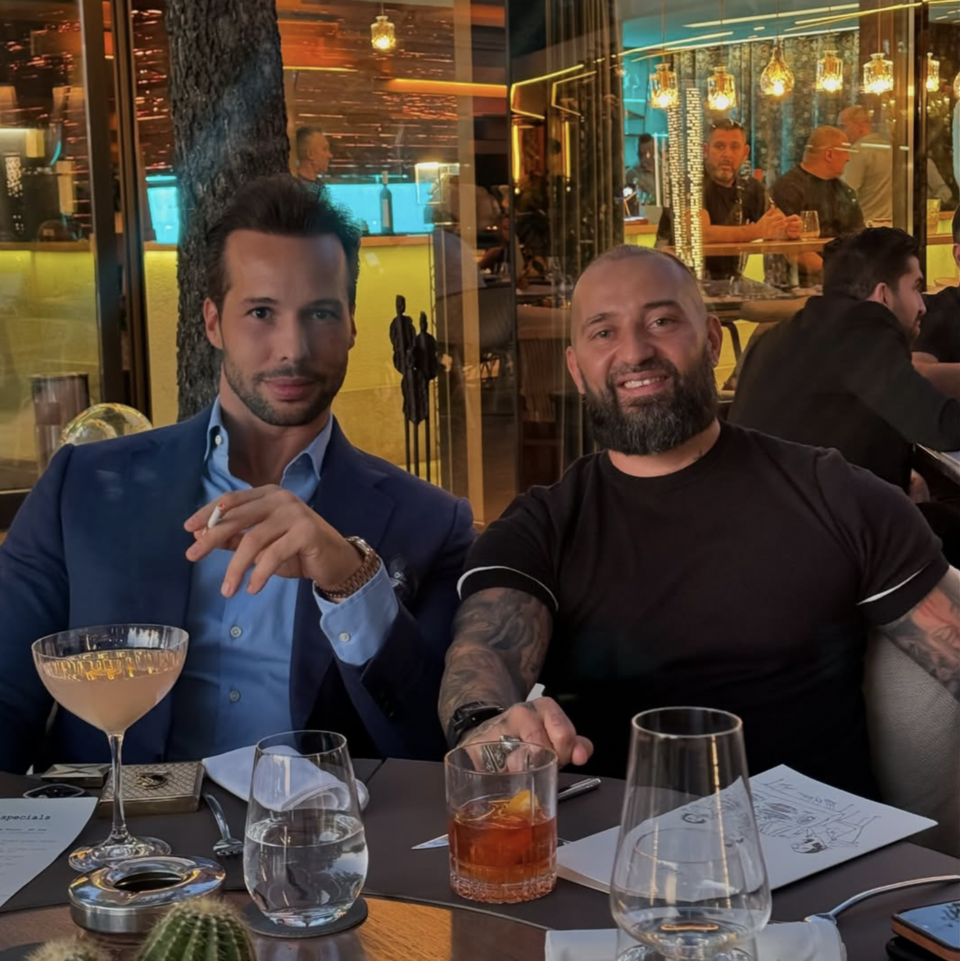
U.S. Marshals arrested Andrew and Tristan Tate in Miami after British authorities submitted an extradition request connected to an expanded criminal investigation. The brothers deny all allegations against them, and the charges remain accusations that must be tested through the legal process. However, the arrest represents a major turning point in a case that has already involved multiple countries and attracted worldwide attention.
For years, Andrew Tate built a powerful online identity centered around wealth, confidence, self-improvement, and controversial opinions about gender and relationships. His message attracted millions of followers while also creating intense criticism from organizations, commentators, and online communities.
Now, the same digital attention that helped transform Tate into a global personality has placed his legal situation under a worldwide spotlight. The arrest of Andrew and Tristan Tate in Miami is no longer only about a criminal investigation. It has become a broader story about how modern fame interacts with traditional institutions.
The case raises a fundamental question that has become increasingly relevant in the digital era: when a person builds an empire around influence, what happens when that influence enters a legal arena where popularity has little power?
The rise of an internet figure who turned controversy into influence
Andrew Tate’s rise represents one of the clearest examples of how modern celebrity has changed. Unlike traditional public figures who gained recognition through film, television, music, or professional competition, Tate built much of his audience through online platforms where personal branding became the foundation of his success.
His videos, interviews, and social media posts attracted a large global audience. Supporters often described his content as motivational, with a focus on entrepreneurship, discipline, financial independence, and personal ambition. Critics, however, argued that some of his statements promoted harmful views and contributed to broader concerns about online influence.
That divide became central to Tate’s public identity. His ability to generate strong reactions helped increase his visibility. In the modern attention economy, controversy can often create engagement, and engagement can create influence.
The Andrew and Tristan Tate arrest in Miami represents a dramatic contrast between the online world that helped build Tate’s reputation and the legal system now examining the allegations against him. Social media rewards confidence, speed, and emotional reactions. Courts require evidence, procedure, and careful examination.
This difference explains why the case has attracted such significant public interest. Many internet personalities operate in spaces where followers directly interact with their beliefs and personalities. When legal problems emerge, supporters and critics often respond emotionally before courts have reviewed all available evidence.
The Tate case reflects a larger trend involving digital celebrities. Over the past decade, influencers have gained levels of visibility once reserved for major entertainers and public officials. However, increased visibility also brings increased scrutiny.
A person who builds a brand around being fearless, successful, and independent may face unique challenges when that image is tested by legal proceedings.
Britain’s expanded case creates a complicated international legal battle.
The legal situation surrounding Andrew and Tristan Tate has become increasingly complex because it involves multiple jurisdictions and separate legal systems.
British prosecutors say Andrew Tate faces 42 charges, while Tristan Tate faces 17 charges. Together, the brothers face 59 allegations involving offenses including rape, sexual assault, assault, and human trafficking-related charges.
Authorities have stated that the British case involves seven alleged victims. Prosecutors said additional charges were approved after reviewing evidence submitted by Bedfordshire Police as part of a wider investigation.
The allegations remain unproven, and the Tate brothers have strongly denied wrongdoing. Their legal representatives have argued that the case against them is unfair and have challenged the timing of Britain’s extradition request.
The arrest of Andrew and Tristan Tate in Miami began a legal process focused on extradition rather than determining guilt. This distinction is essential because extradition hearings do not function like criminal trials.
A U.S. federal court must examine whether Britain’s request satisfies the requirements established under international agreements. The judge does not decide whether the defendants committed the alleged crimes. Instead, the court reviews whether the legal conditions for extradition have been met.
International extradition cases often involve complicated questions. Courts may examine whether the alleged offenses qualify under treaty agreements, whether proper documentation has been submitted, and whether the accused person has legal grounds to challenge the request.
These cases can take significant time because different countries follow different procedures. Even when governments cooperate, legal disputes can emerge over timing, jurisdiction, and competing judicial priorities.
The Tate case demonstrates the challenges posed by a world in which people, businesses, and digital activity operate across borders. A person can build an international audience from a single location while facing legal issues across several countries.
Why the Miami arrest changed the entire direction of the story

The decision by U.S. authorities to arrest Andrew and Tristan Tate in Miami introduced a new stage in the case.
The United States became involved because Britain requested extradition through established international legal channels. American authorities are not deciding whether the brothers are guilty. Instead, they must determine whether the extradition request should move forward under U.S. law.
The Andrew and Tristan Tate arrest in Miami places the brothers inside a legal framework that operates differently from public debate. Online discussions often focus on reputation, loyalty, and personal opinions. Federal courts focus on legal standards and evidence.
This difference creates a unique situation for high-profile defendants. Public figures often have supporters who strongly believe in their innocence and critics who strongly believe in their guilt. However, courts must operate separately from public opinion.
The extradition process generally involves several steps. Authorities first review the request, courts examine the legal requirements, and further decisions may involve government officials depending on the outcome of the proceedings.
For the Tate brothers, the Miami arrest does not represent the end of the legal battle. It represents the beginning of another phase that could involve hearings, challenges, and diplomatic considerations.
The case also highlights how law enforcement agencies increasingly work together internationally. Modern investigations often require international cooperation because evidence, communication, financial activity, and travel records can cross borders.
The growth of technology has made international cooperation more necessary than ever. Digital platforms enable people to communicate globally, but they also raise complex legal questions when investigations span multiple countries.
The Tate brand faces its biggest challenge outside social media.
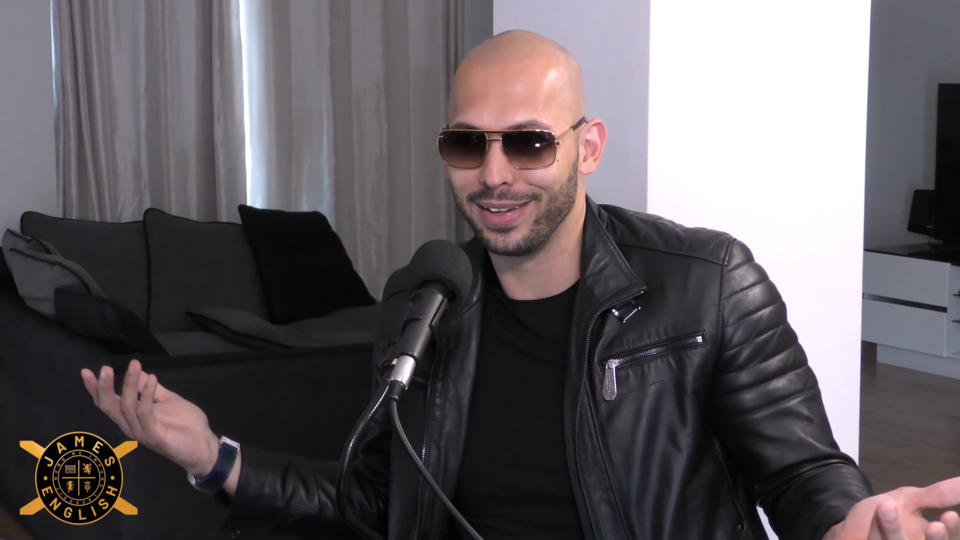
The influence Andrew Tate built online has been one of the defining elements of his public story. His brand depended heavily on confidence, controversy, and the ability to attract attention.
However, legal proceedings operate according to completely different principles. A large audience does not determine a court decision. A strong personal brand does not replace evidence.
The arrest of Andrew and Tristan Tate in Miami has therefore become a major test of whether internet fame can withstand serious legal challenges.
History shows that public figures often experience dramatic changes when their personal image comes under pressure. Athletes, entertainers, business leaders, and politicians have all faced moments when public perception and legal realities diverged.
For influencers, the challenge can be even greater because their careers often depend directly on personal identity. Their audience follows them not only for their product or performance but also for their personality and beliefs.
This creates a complicated relationship between supporters and public figures. Some followers may view legal challenges as attacks against someone they admire. Others may reconsider their support when serious allegations become public.
The debate surrounding Tate reflects a wider conversation about online communities. Digital platforms allow people to build strong connections with audiences, but those relationships can also create intense loyalty.
The case has also renewed discussions about responsibility in influencer culture. As online personalities gain more power, questions continue to emerge about the impact their messages have on audiences, especially younger users.
The legal system, however, remains separate from these cultural debates. Courts must focus on the specific facts of each case rather than broader arguments about popularity or influence.
A global audience watches as the legal process takes control.
The attention surrounding the Andrew and Tristan Tate arrest in Miami demonstrates how dramatically the relationship between celebrity and justice has changed.
In previous generations, major legal cases involving public figures were followed mainly through newspapers and television. Today, millions of people follow developments in real time through social media platforms.
That speed creates both opportunities and challenges. Information spreads quickly, but so do speculation, misinformation, and emotional reactions.
High-profile cases require careful reporting because the public interest can easily be conflated with legal conclusions. A person’s reputation, whether positive or negative, cannot determine the outcome of a court process.
The Tate case also represents a broader shift in how society views internet personalities. Influencers now hold levels of cultural power that rival traditional celebrities, but they often operate without the same structures that historically surrounded public figures.
That creates difficult questions. How should platforms respond when influential creators face serious allegations? How should audiences evaluate personalities they have followed for years? Where should society draw the line between online popularity and public responsibility?
These questions extend beyond a single individual or a single legal case. They reflect a larger transformation in modern communication.
The arrest of Andrew and Tristan Tate in Miami has become a symbol of this changing landscape. It shows how quickly digital fame can collide with institutions built around evidence, procedure, and accountability.
As the legal process continues, the outcome will depend on court proceedings rather than online debates. Supporters and critics may continue to argue, but the decisive moments will occur in legal filings, hearings, and judicial decisions.
The story of Andrew and Tristan Tate is ultimately about more than a famous internet personality facing legal challenges. It is about a new era where influence can be created overnight, but where accountability still follows traditional paths. The internet may determine who becomes famous, but the courts determine what happens when fame meets the law.