Appeals Court Revives Trump-Backed USPS Ballot Rule as Midterm Clock Ticks
A federal appeals court has reopened the door for the U.S. Postal Service to continue developing controversial new rules governing mail-in ballots, handing President Donald Trump a temporary legal victory just months before the November 2026 midterm elections.
The July 17 ruling does not declare the proposed policy constitutional, nor does it guarantee that the restrictions will take effect nationwide. Instead, a three-judge panel of the U.S. Court of Appeals for the District of Columbia Circuit paused an earlier injunction that prevented USPS from moving toward a final rule while litigation continued.
That distinction matters. The court did not settle the increasingly heated debate over whether the Postal Service can check state voter lists before accepting ballot mail. It decided that the lower court may have stepped in too early, before USPS had completed the rulemaking process.
Judges Say USPS Could Suffer Irreversible Harm

Gage Skidmore from Peoria, AZ, United States of America, CC BY-SA 2.0, via Wikimedia Commons
The dispute began after U.S. District Judge Emmet Sullivan blocked the proposed USPS procedures on July 1. Sullivan found that the plan likely violated a 2021 settlement between the Postal Service and the NAACP requiring USPS to prioritize and expedite election mail through 2028.
USPS appealed and asked the D.C. Circuit to suspend Sullivan’s order. Judges Karen Henderson, Justin Walker and Florence Pan agreed, concluding that the Postal Service had made a strong showing that it could eventually win on two arguments.
First, the panel said the dispute may not yet be ready for judicial review because USPS has only published a proposed rule, not a final regulation. Second, the judges said the eventual rule might not violate the language of the NAACP settlement.
The court also accepted the government’s argument that keeping Sullivan’s injunction in place could prevent USPS from completing and implementing a rule before the November 3 general election. Once the election passes, the judges wrote, “there can be no do over.”
The decision is therefore a temporary stay, not a final ruling. The NAACP can continue challenging the proposal, and the appeals court could ultimately reach a different conclusion after receiving full arguments.
What the Proposed Postal Rule Would Change
Trump’s March 31 executive order directed federal agencies to pursue new citizenship-verification and ballot-mail procedures. The administration argues that unique ballot identifiers and stronger verification systems would improve election security and public confidence.
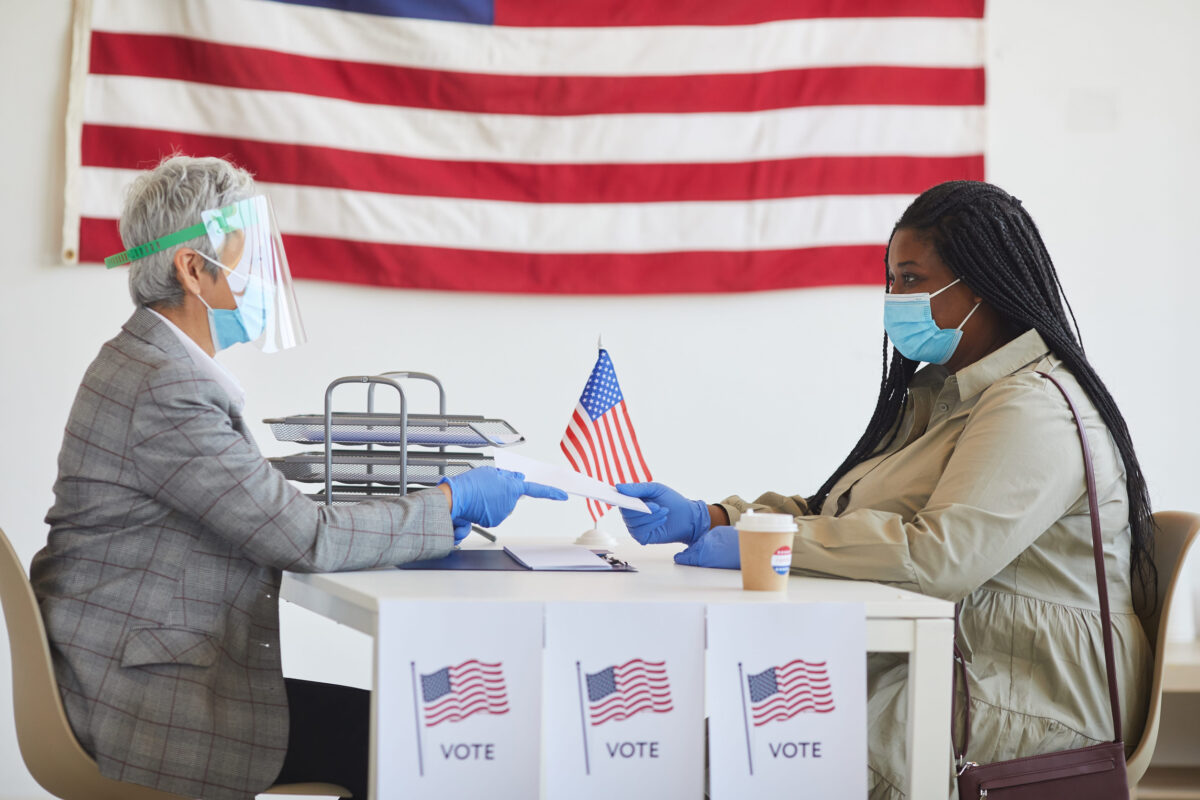
USPS formally published its proposed “Ballot Mail for Federal Elections” rule on June 2. The proposal would require election officials to use approved envelope designs, the official Election Mail logo, and uniquely serialized Intelligent Mail barcodes on outgoing and return ballot envelopes.
States or their authorized election officials would also submit information through a new federal ballot portal. That information would include each voter’s name, address, and the unique barcode associated with the ballot being mailed.
Before accepting outgoing federal ballot mail, USPS would compare the mailing with a state-specific Mail-In and Absentee Participation List. Election officials could update those records until the final day ballots may be mailed under state law.
The proposal would apply to general, special, and runoff federal elections. It would not apply to primary elections or ballots covered by the Uniformed and Overseas Citizens Absentee Voting Act, which protects military and overseas voters.
USPS says many envelope and barcode requirements build on existing recommendations designed to make ballots easier to identify, track, and deliver. The agency also says the proposal would not alter its extraordinary measures to expedite the delivery of completed ballots from voters to election offices.
The most divisive provision is the verification process for outgoing ballots. Critics warn that ballots could be rejected or returned when election offices fail to upload information correctly, miss technical requirements, or encounter disagreements between state and federal records.
A Temporary Victory in a Much Larger Fight
The NAACP and voting-rights attorneys argue that the plan would transform USPS from a neutral delivery service into a checkpoint with the power to determine which voters receive ballots.
When Sullivan originally blocked the proposal, Allison Zieve of Public Citizen Litigation Group called the plan a threat to millions of Americans who depend on mailed ballots. NAACP attorneys also argued that new barriers could create particular dangers for Black voters and communities with limited access to polling locations.
Mail voting is no longer a small part of American elections. About 29% of voters cast ballots by mail in 2024, while USPS transported roughly 99 million ballots to and from voters. Usage varies sharply by state, with mail voting dominating elections in places such as Oregon and Washington.
The latest appellate decision also does not erase every legal barrier facing Trump’s election order. A separate federal judge in Massachusetts previously blocked major portions of the executive order in a case brought by more than 20 Democratic-led states and the District of Columbia.
For now, USPS may continue working toward a final regulation while its appeal proceeds. Whether the agency can enforce that rule, where it could apply, and whether it survives further judicial review remain unresolved.
The courtroom victory gives the administration more time, but it does not provide the final word. With the midterms approaching, the battle over who controls the path between a voter’s mailbox and the ballot box is only becoming more intense.