Gianni Infantino Fires Back at FIFA Critics After World Cup Controversies: “Meditate, Pray or Watch Football”
FIFA President Gianni Infantino has responded to growing criticism of his leadership with a message that has reignited a global debate: should football’s biggest moments be judged by celebration alone, or should the organization behind the game face tougher questions?
After a World Cup that attracted record crowds, billions of viewers and unprecedented attention, Infantino pushed back against what he described as a wave of negativity toward FIFA. In a lengthy social media statement, the FIFA chief told critics to “meditate, pray or watch a football match” rather than focus on what he called hate and misinformation.
His message came after months of debate surrounding the tournament, including questions over visa restrictions, disciplinary decisions, political influence, security issues and allegations of unfair treatment. While FIFA celebrated what it called the “greatest event on earth,” critics argued that major controversies could not be ignored simply because millions of fans enjoyed the games.
A $10 billion global spectacle became the center of a heated debate.

The 2026 FIFA World Cup delivered numbers that few sporting events can match. The tournament expanded to 48 teams, featured 104 matches, was hosted across 3 countries, and brought together fans from more than 200 nations and territories.
FIFA pointed to packed stadiums, record attendance figures and massive global engagement as evidence that football successfully achieved its mission of connecting people. More than 6.8 million fans reportedly attended matches, making it one of the largest sporting gatherings in history.
But the bigger the event became, the larger the spotlight grew on FIFA’s decisions. A tournament watched by billions also became a stage where political disagreements, human rights concerns and questions about sporting fairness played out in front of a worldwide audience.
For Infantino, the tournament’s success proved football’s ability to unite people. For critics, the attention created a responsibility for FIFA to explain controversial decisions more openly.
Infantino says critics missed football’s message of unity.
In his statement, Infantino argued that some critics concentrated on isolated problems while ignoring the bigger picture. He pointed to families celebrating together, fans from different cultures sharing stadiums and players representing countries with complicated political relationships.
The FIFA president highlighted moments where football crossed traditional divides. He specifically referenced the participation of nations facing political tensions and argued that the tournament showed the world could still come together through sport.
Infantino’s message was built around a simple idea: football should create connection rather than division. He suggested that spending energy attacking FIFA distracted from the emotional power of the game itself.
However, critics pushed back against that argument, saying appreciation for football and accountability for football leadership can exist at the same time. A successful tournament does not automatically remove questions about governance.
Visa battles created one of FIFA’s biggest challenges.
One of the most difficult issues surrounding the World Cup involved international travel. FIFA promoted the tournament as a celebration of global participation, but some teams, officials and supporters experienced complications before they could even reach stadiums.
Iran became one of the most discussed examples. While FIFA celebrated Iran’s participation as evidence that football could overcome political barriers, the team reportedly faced visa delays, staff entry problems and logistical challenges during preparation.
The situation highlighted a difficult reality for global tournaments. Organizers can welcome millions of visitors successfully while some participants still face serious obstacles.
The issue became especially important because the World Cup is built around the idea that every qualified nation should have an equal opportunity to compete. When travel problems affect teams or officials, questions about fairness naturally follow.
The Iran situation exposed two different views of the same tournament.
FIFA viewed Iran’s involvement as a diplomatic achievement. The organization argued that football created a rare opportunity for countries with political disagreements to share the same stage.
Iran’s coaching staff, however, described the experience differently. Coach Amir Ghalenoei said his team had been among the tournament’s most disadvantaged because of travel restrictions, preparation issues and difficulties affecting members of the delegation.
The disagreement showed why major sporting events often produce competing narratives. One side focuses on participation and symbolism, while another focuses on the conditions behind that participation.
Both perspectives became part of the larger argument surrounding Infantino’s comments. FIFA emphasized what happened inside the stadiums, while critics examined what happened outside them.
A controversial suspension decision raised questions about FIFA independence.
Another major controversy involved United States forward Folarin Balogun and a disciplinary decision that allowed him to remain available after receiving a red card.
The ruling quickly became controversial because reports linked discussions about the matter to political figures, including President Donald Trump. Critics questioned whether outside influence played a role in a sporting decision.
UEFA strongly criticized the decision, describing it as an unusual departure from normal disciplinary expectations. The European football body argued that consistent punishment is essential because players and national teams must believe the same rules apply to everyone.
Infantino defended FIFA’s process, arguing that adjustments and appeals happen regularly in major football competitions. He said similar practices exist in some of the world’s biggest leagues.
The debate, however, focused less on whether appeals exist and more on whether the process appeared transparent enough to protect FIFA’s credibility.
FIFA’s “zero incidents” claim faced scrutiny after investigations
Infantino described the tournament as a celebration with “zero violence” and emphasized safety as one of FIFA’s greatest achievements.
The scale of the event made security a major challenge. With 104 matches, dozens of venues and millions of visitors, organizers faced the difficult task of protecting players, supporters and officials across three host countries.
However, several incidents complicated FIFA’s message. Authorities investigated allegations of racist abuse involving American online personality IShowSpeed during a match. FIFA also examined a confrontation involving Argentina players and staff after the World Cup final.
These incidents did not define the entire tournament, but they challenged the strongest version of FIFA’s argument. Saying a competition was overwhelmingly peaceful is different from saying no significant problems occurred.
The distinction became central to the debate. Supporters saw a successful tournament with isolated problems. Critics saw examples showing why continued oversight was necessary.
World Cup numbers showed success, but criticism followed the organization behind it.
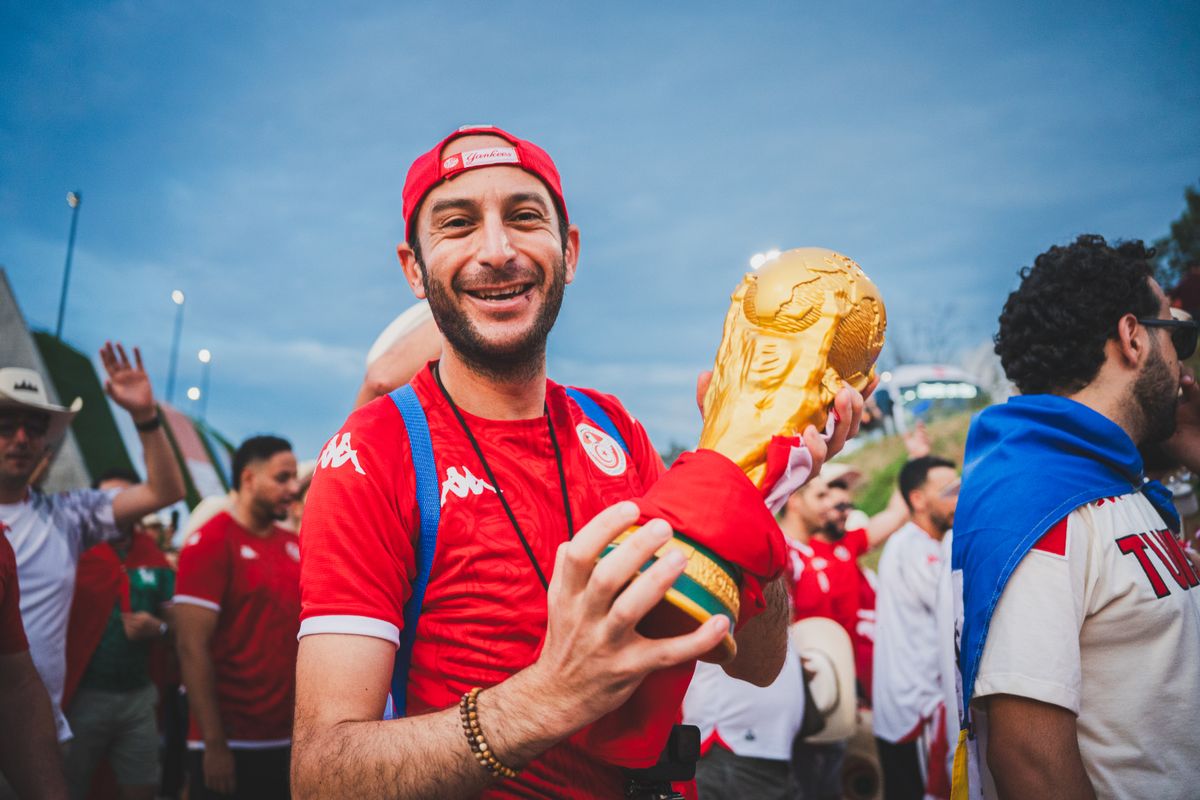
The 2026 tournament produced extraordinary statistics. It generated record interest, expanded football’s reach and gave smaller nations a larger platform on the world stage.
The event also represented FIFA’s biggest test of leadership. A tournament involving 48 teams, 3 host nations and millions of travelers required cooperation between governments, security agencies and sporting organizations.
That complexity created unavoidable pressure points. Border policies, political relationships and disciplinary decisions all became connected to the tournament experience.
The challenge for FIFA is that the organization no longer controls only football matches. It manages one of the world’s largest cultural events, meaning its decisions are examined far beyond the pitch.
Why Infantino’s message could shape FIFA’s future
Infantino’s decision to directly confront critics shows how FIFA’s leadership is changing its communication strategy. Instead of only issuing formal statements, the president used a personal message designed to speak directly to supporters.
His approach may strengthen his connection with fans who believe football criticism has become excessive. Many supporters agree that the sport’s ability to bring people together should not be overshadowed by constant controversy.
But FIFA’s critics argue that emotional moments cannot replace accountability. The organization’s influence means decisions involving travel, discipline and governance will continue to face public examination.
The future debate around FIFA may not be about whether football inspires unity. Few people dispute that it does. The real question is whether the organization responsible for protecting that unity can also accept criticism when its decisions are questioned.
The final score: football won, but the debate continues
The 2026 World Cup will be remembered for dramatic matches, historic moments and millions of fans sharing unforgettable experiences. FIFA has strong evidence that the tournament achieved many of its sporting goals.
At the same time, the controversies surrounding visas, disciplinary decisions and political neutrality show that global sporting success comes with global responsibility.
Infantino’s message asked critics to look at football’s joy instead of its problems. Critics respond that both can be seen at the same time.
Football can unite the world while FIFA remains accountable to it. That balance may become the defining challenge of Infantino’s presidency as the sport continues growing into an even larger global force.