Rubio Slams the Door on Global Scam Networks as U.S. Expands Visa Crackdown
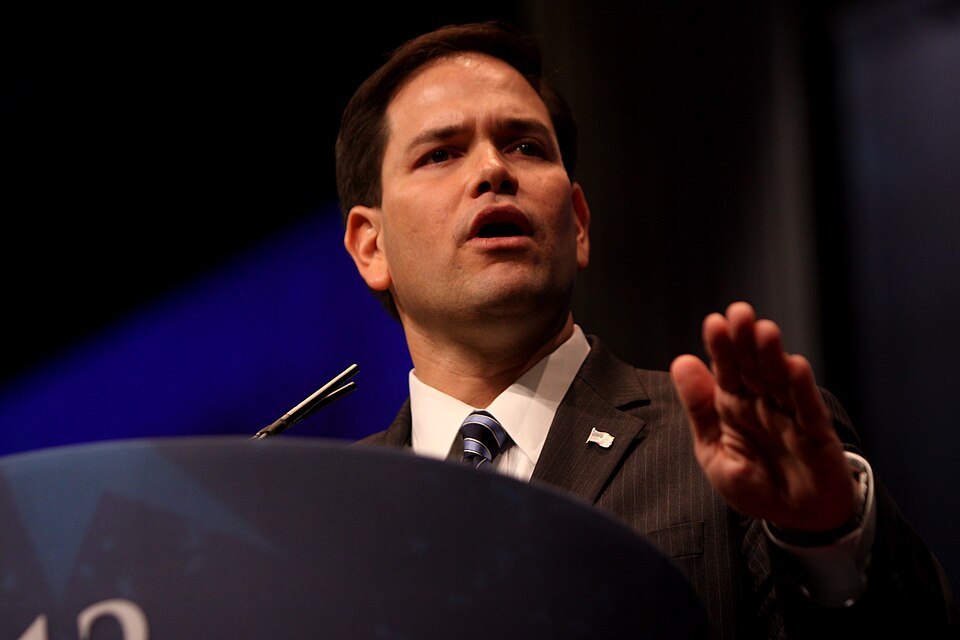
Secretary of State Marco Rubio has unveiled a sweeping new visa restriction policy aimed at foreign nationals accused of running, supporting, or benefiting from cybercrime networks that prey on Americans.
The policy targets people involved in online investment scams, cyber-enabled fraud, sextortion, and related criminal operations. Certain immediate family members of suspected offenders could also face restrictions, dramatically widening the possible consequences for individuals connected to international scam enterprises.
Rubio announced the policy on July 23, declaring that the United States intends to pursue the people behind these operations using diplomatic, financial, and law enforcement pressure. The State Department framed the move as a warning to cybercriminals who may have believed that operating outside the United States placed them beyond Washington’s reach.
“The United States will go after those who prey on our citizens,” Rubio said in the announcement.
A New Penalty For Foreign Cybercriminals
The restrictions were established under Section 212(a)(3)© of the Immigration and Nationality Act. The policy gives the State Department another way to penalize individuals it believes are responsible for or complicit in cybercrime, even when securing an arrest, extradition, or criminal conviction is difficult.
Visa restrictions do not replace prosecutions. Instead, they add another layer of pressure by blocking targeted foreign nationals from entering the United States. The inclusion of certain immediate family members is designed to prevent suspected cybercrime operators from shielding their wealth, influence, or travel opportunities through relatives.
Rubio said the administration is using every available tool, including sanctions, prosecutions, asset seizures, extradition requests, international law enforcement partnerships, and now expanded visa restrictions.
That approach reflects a growing recognition inside Washington that online scams are no longer isolated crimes carried out by individuals working from laptops. Many are sophisticated international enterprises with recruitment systems, money-laundering channels, corrupt facilitators, technical specialists, and large facilities filled with workers.
Some of those workers are themselves trafficking victims who have been forced to participate in scams under threats of violence or confinement. President Donald Trump’s March executive order described a criminal shadow economy involving stolen identities, coercion, forced labor, and human trafficking.
Americans Are Losing Billions.
The scale of the financial damage helps explain why the administration is escalating its response. The FBI received 859,532 internet crime complaints in 2024, with reported losses exceeding $16 billion. That represented a 33 percent increase from the previous year. Investment fraud involving cryptocurrency produced more reported losses than any other cybercrime category, reaching over $6.5 billion.
The Federal Trade Commission recorded a similarly alarming trend. Consumers reported losing more than $12.5 billion to fraud in 2024, a 25 percent increase from 2023. Investment scams alone accounted for $5.7 billion, making them the most financially damaging category tracked by the agency.
The FTC also found that 79 percent of people who reported an investment scam lost money, with a median loss exceeding $9,000. Scams that began on social media caused $1.9 billion in reported losses, and victims were more likely to lose money when fraudsters contacted them through those platforms.
The State Department says foreign scam networks defrauded Americans of at least $10 billion in 2024. Rubio specifically accused Chinese transnational criminal organizations of frequently orchestrating such operations, saying the schemes also fuel corruption, money laundering, and human trafficking.
Sextortion Places Children in the Crosshairs
Financial theft is only part of the crisis. Sextortion schemes often begin when criminals pose as teenagers, romantic interests, or trusted online acquaintances. After persuading a victim to share an intimate image, the offender threatens to distribute it unless money, additional content, or another demand is provided.
Young victims can feel trapped, ashamed, and terrified that parents, classmates, or friends will discover what happened. The White House said one in seven young people who experienced sextortion as minors reported harming themselves because of the abuse.
Rubio said offenders operating overseas have deliberately targeted American children, leaving families to deal with devastating emotional and personal consequences.
By including sextortion in the new visa policy, the administration is signaling that it views these crimes as part of the same global cybercrime ecosystem as investment fraud, identity theft, money laundering, and online extortion.
Trump’s Cybercrime Order Set The Stage.
Rubio’s announcement follows Trump’s March 6 executive order titled “Combating Cybercrime, Fraud, and Predatory Schemes Against American Citizens.”
The order directed federal agencies to develop a coordinated strategy for identifying and dismantling transnational criminal organizations involved in foreign scam centers and cyber-enabled fraud. It called for a dedicated operational cell within the National Coordination Center to improve cooperation among federal agencies and private cybersecurity partners.
The order also directed officials to consider prosecutions, sanctions, visa restrictions, foreign-assistance limits, and other diplomatic consequences against criminals, facilitators, and governments that tolerate the networks.
Rubio’s visa policy is therefore one piece of a broader campaign rather than a stand-alone announcement. It gives the State Department a punishment it can use when the United States has evidence linking a foreign national to cybercrime but cannot immediately bring that person before an American court.
Washington Sends A Warning Beyond Its Borders.
The policy’s real impact will depend on enforcement, intelligence sharing, and cooperation from foreign governments. Cybercriminals frequently hide behind false identities, cryptocurrency transactions, shell companies, compromised accounts, and jurisdictions where local authorities have limited resources or questionable incentives to intervene.
Visa restrictions alone will not dismantle those networks. They can, however, disrupt international travel, expose suspected facilitators, raise the cost of participation, and pressure foreign governments to act.
For online scam operators, the message from Washington is becoming harder to ignore. The United States is no longer treating cyber fraud simply as a consumer-protection problem. It is treating the expanding global scam economy as a national security, law enforcement, financial, and human-trafficking threat.
Rubio’s announcement marks another step in that shift. The criminals may operate thousands of miles away, but the administration’s warning is direct: distance will not guarantee protection.