U.S. Halts Iran Strikes as Trump Weighs Diplomacy, Military Pressure and Rising War Risks
The United States has paused military strikes against Iran for a second consecutive night as diplomatic efforts continue to prevent a return to a wider conflict in the Middle East.
The temporary halt comes after nearly two weeks of intense fighting, growing concerns over weapons supplies, and pressure from senior U.S. officials to avoid a prolonged military campaign. President Donald Trump is now weighing his next move as negotiations with Iranian officials continue and Israeli Prime Minister Benjamin Netanyahu prepares for a high-stakes visit to Washington.
The pause does not mean the conflict is over. U.S. officials have stressed that military options remain available if talks fail.
Trump Keeps Military Options Open As Talks Continue
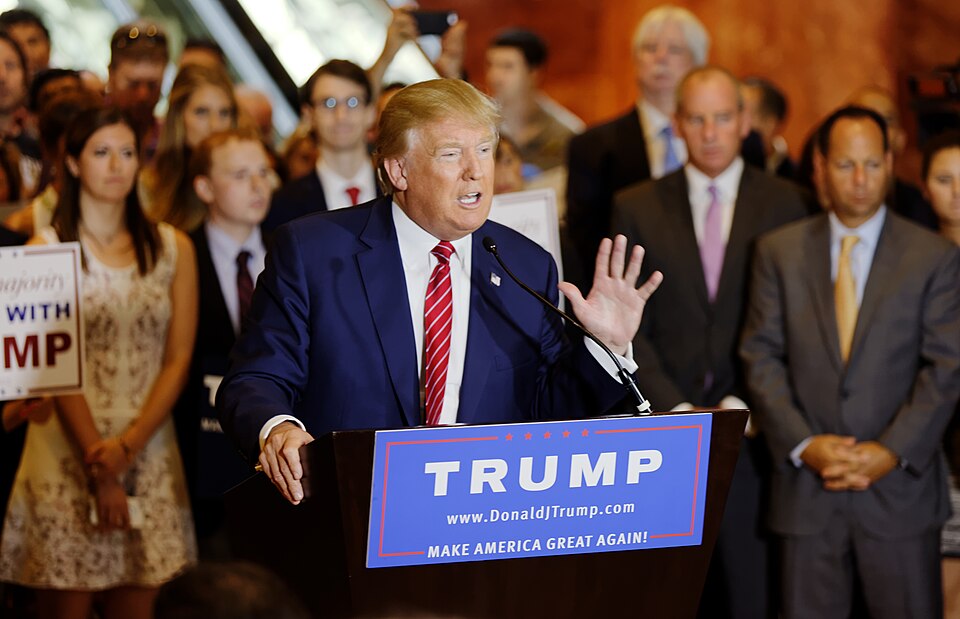
The pause in U.S. strikes began Friday evening, marking a brief reduction in hostilities after weeks of escalating attacks between Washington and Tehran.
Trump has signaled that he is open to a diplomatic solution but has also warned Iran that further military action remains possible. During remarks on Friday, he said the United States was prepared for additional action but was also engaged in discussions with Iranian representatives.
The president’s approach reflects a difficult balance between applying pressure on Tehran and avoiding a conflict that could expand across the region.
U.S. Ambassador to the United Nations Mike Waltz said Washington was not ruling out future strikes. He emphasized that Trump continues to have “all options on the table” as officials evaluate the situation.
The conflict has already placed pressure on U.S. military resources. Senior officials reportedly warned Trump that continued operations could reduce American weapons stockpiles, including advanced missile defense systems and offensive weapons used in long-range strikes.
Iran Pauses Retaliatory Attacks Against U.S. allies
Iran has also indicated that it has temporarily stopped what it described as retaliatory operations against American allies in the region.
Iranian military spokesperson Mohammad Akraminia said Tehran halted its response after the United States stopped its attacks for two nights. He described Iran’s strategy as defensive retaliation rather than a campaign aimed at expanding the conflict.
The statements suggest both sides are creating space for negotiations, even as neither government has announced a formal peace agreement.
Iranian officials have accused Washington of lacking a clear long-term strategy, while U.S. officials argue that military pressure is necessary to push Tehran toward negotiations.
The fragile pause comes after the collapse of a ceasefire arrangement previously supported by Trump. The breakdown led to renewed attacks and increased fears that the conflict could spread beyond Iran’s borders.
The Strait of Hormuz Becomes A Major Focus
One of the biggest concerns in the conflict has been the Strait of Hormuz, a narrow but strategically important waterway connecting the Persian Gulf to global shipping routes.
The strait handles a significant portion of the world’s oil and gas shipments. Any prolonged disruption could affect energy markets, shipping costs and economies around the world.
The United States has blamed Iran for actions that disrupted traffic through the waterway and increased risks for American forces and regional partners.
Diplomatic officials from Iran and Oman have been involved in discussions aimed at reopening the route and preventing further escalation. Iranian officials have confirmed contact with U.S. negotiators as both sides search for a way to avoid a larger war.
Iran has reportedly demanded guarantees related to payments and greater influence over which vessels are allowed to pass through the strait.
For Washington, restoring freedom of navigation remains a major priority because disruptions could create economic consequences far beyond the Middle East.
Netanyahu Prepares For crucial White House Meeting
The next major moment in the crisis could come when Israeli Prime Minister Benjamin Netanyahu visits Washington. Netanyahu has been one of the strongest supporters of military pressure against Iran and has repeatedly argued that Tehran’s nuclear and missile programs pose a major threat.
His government is facing political pressure at home to show results from its military campaigns against Iran and Hezbollah in Lebanon ahead of upcoming elections.
Netanyahu is expected to push Trump to maintain a tough position during negotiations. Israeli officials have argued that any agreement with Iran must include strict limits on nuclear development and ballistic missile capabilities.
However, U.S. negotiators have focused heavily on reopening the Strait of Hormuz and preventing the conflict from becoming a longer regional war.
The disagreement highlights a major challenge for Washington: balancing Israel’s security concerns with the risks of a prolonged military confrontation.
Regional Tensions Continue Beyond Iran
The Iran crisis is unfolding alongside rising violence elsewhere in the region. The West Bank has experienced some of its most serious clashes this year following an incident involving armed settlers entering a Palestinian village, resulting in the deaths of Palestinians and Israelis.
Israeli forces have launched expanded operations in response, adding another layer of instability as Netanyahu prepares for talks in Washington. For Trump, the coming days could determine whether the pause becomes the beginning of a diplomatic breakthrough or simply a temporary break before fighting resumes.
The United States remains prepared for military action, but concerns over weapons supplies, regional instability and economic risks are pushing officials toward finding a negotiated path. The outcome of the talks could shape not only the future of U.S.-Iran relations but also the wider security landscape across the Middle East.