
8 Shocking ways American cities are becoming unsafe
American cities do not always feel unsafe because someone is running down the street with a weapon. Sometimes they feel unsafe because the subway platform is too empty at night. Because the pharmacy has half the shelves locked behind plastic. Because the sidewalk tent has become a permanent landmark.
Because a driver blows through a crosswalk while staring at a phone. Because the elevator in the parking garage smells like smoke, and nobody wants to be the last person inside it. That is the new anxiety hanging over many American cities.
It is not always the old crime-movie version of danger. It is smaller, messier, and more everyday. It is the feeling of checking over your shoulder in a downtown that used to feel alive.
It is telling your kid not to ride their bike past a certain block. It is watching a store close early because workers are tired of dealing with theft, threats, or chaos.
To be clear, this does not mean every American city is collapsing. National crime data shows that violent crime has recently fallen, with early estimates showing that violent crime decreased from 2024 to 2025.
Still, safety is bigger than one crime category. A city can have falling homicide numbers and still feel less safe to the people walking, riding, shopping, working, and raising families there.
Streets feel less predictable than they used to
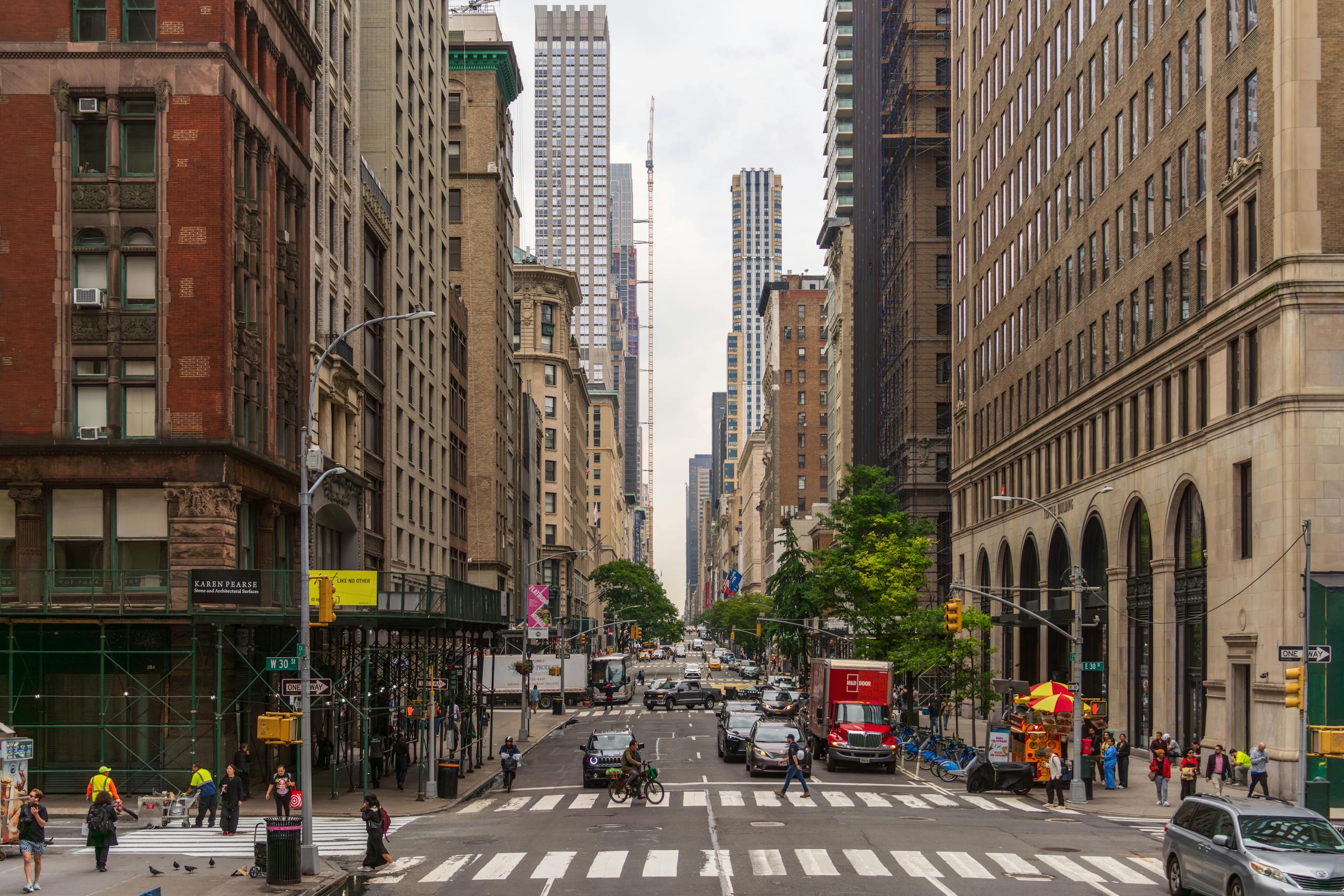
A city street used to feel like shared space. Now, in too many places, it feels like a negotiation with strangers who may or may not care if you make it across the road alive. Drivers roll through stop signs. Delivery vehicles block bike lanes.
E-bikes, scooters, cars, buses, and pedestrians all squeeze into the same impatient space. One person is texting. Another is speeding. Someone else is crossing with groceries and hoping everyone sees them.
That kind of danger is easy to overlook because it does not always appear to be a crime.
But street safety is one of the most basic ways people judge whether a city feels livable. If parents do not feel comfortable letting children walk to school, if older adults avoid crosswalks, if cyclists feel hunted by traffic, and if pedestrians are treated as obstacles, the city starts to feel hostile.
The numbers are still ugly. Recent safety data estimated that 7,080 pedestrians died in traffic crashes on public roads in 2024. That means the danger is not imaginary, even if the city skyline still looks beautiful in tourist photos.
A city can build restaurants, stadiums, apartments, and fancy waterfronts. But if people do not feel safe crossing the street, the city is failing at the most basic level.
Homelessness has become impossible to ignore
Homelessness is not just a political argument. It is a daily reality in many American cities.
People see tents under overpasses, families in shelters, seniors sleeping in cars, young people carrying backpacks with nowhere stable to go, and poverty on sidewalks, no longer hidden from view. For residents, it can simultaneously create fear, sadness, frustration, anger, and helplessness.
For people experiencing homelessness, the danger is even more direct. Living outside means exposure to violence, weather, illness, theft, traffic, and the constant stress of not knowing where to sleep safely.
For surrounding communities, visible homelessness can also make public spaces feel more strained, especially when it overlaps with mental illness, addiction, poor sanitation, or lack of services.
The crisis reached a grim milestone when a national count found homelessness at a record high, with more than 770,000 people experiencing homelessness on a single night in 2024.
That is not just a housing problem. It is a city-safety problem, a public-health problem, a family problem, and a moral problem. A city where thousands of people sleep outside is not functioning safely for anyone involved.
Public transit feels tense even when it is statistically useful.
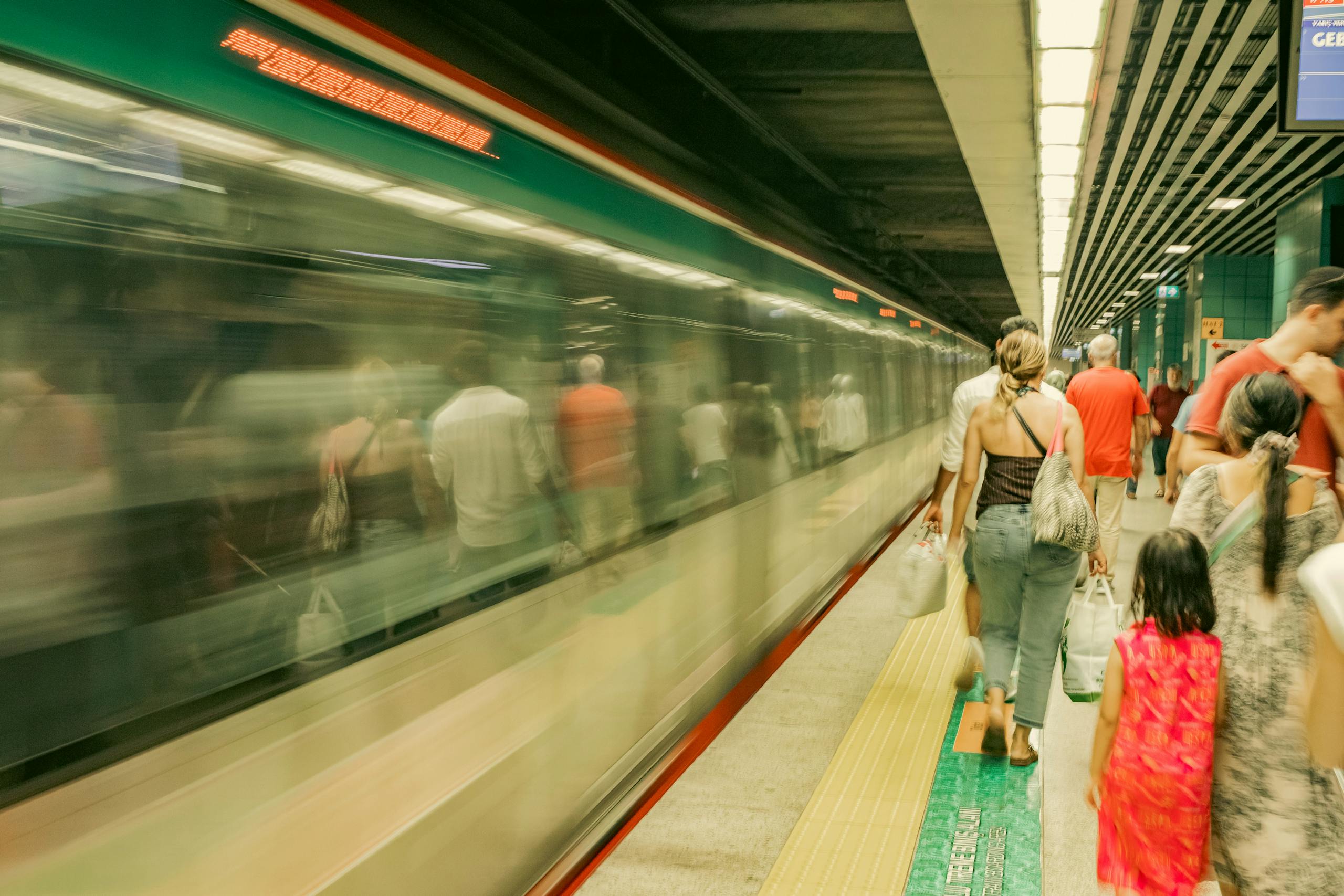
Public transit is supposed to make cities easier to navigate. It helps workers get to jobs, students get to class, older adults stay independent, and families move through expensive metro areas without owning multiple cars. But for many riders, the experience now comes with more anxiety than it used to.
The fear is not always about being attacked. Sometimes it is about disorder. A person yelling in the train car. Someone is smoking on the platform. A station with poor lighting. A bus stop that feels abandoned after dark. A rider who seems unstable and unpredictable. A long wait with nobody else around.
Statistics may say one thing, but daily experience says another. Recent federal transit safety material noted that the number of assault events fell in FY 2025, but that major assaults remain elevated compared with earlier years.
That tension explains why some riders feel conflicted. They may know transit is essential. They may also feel less comfortable using it at certain times or in certain places.
A city becomes less safe when people start planning their lives around fear. They skip evening events, pay for expensive rideshares, avoid certain stations, or stop taking transit altogether because the trip feels emotionally exhausting.
Stores are starting to feel like guarded spaces.
Shopping used to be one of the least dramatic parts of city life. You walked into a drugstore, grabbed toothpaste, bought snacks, complained about the receipt, and left. Now, in some places, the experience feels strangely defensive.
Razor blades, deodorant, laundry detergent, baby formula, medicine, and makeup sit behind locked cases. Workers have to unlock basic items while customers wait, wondering why buying shampoo has become a security procedure. Retail disorder alters a neighborhood’s mood.
When stores lock up more goods, reduce hours, add guards, or close locations, residents feel the loss quickly. It becomes harder to buy basics. Workers feel more exposed. Customers feel less welcome. Nearby blocks feel more unstable.
Some major retailers have already blamed theft and safety concerns for closures, citing organized retail crime and threats to employees and customers.
The debate around retail crime can get political fast. Some claims are exaggerated. Some stores also close due to poor sales, lease terms, staffing issues, or corporate strategy.
Still, when ordinary shoppers encounter locked shelves and nervous employees, perceptions of safety change. A city does not feel healthy when buying toothpaste feels like visiting a bank vault.
Drug crises are still haunting public spaces.

Drug overdose deaths have declined recently, which is good news. But the crisis has not disappeared from American cities.
People still see public drug use, discarded needles, people nodding off on sidewalks, emergency crews responding to overdoses, and families grieving someone they could not save.
In some neighborhoods, the drug crisis is woven into daily life so deeply that residents stop being shocked, which may be the most disturbing sign of all.
Recent national data showed overdose deaths fell sharply, but still estimated about 87,000 drug overdose deaths during the 12 months ending in September 2024. That is a decline worth noting, but it is still an enormous human toll.
This affects city safety in several ways. It strains emergency responders. It affects parks, transit stations, libraries, sidewalks, public bathrooms, and business districts. It creates fear for families trying to navigate public spaces. It also places people with addiction in constant danger.
A city cannot arrest its way out of addiction, and it cannot ignore the public impact either. When addiction spills into shared spaces without enough treatment, housing, mental-health care, and public order, everyone feels the failure.
Downtowns can feel emptier and more exposed.
Empty streets can feel more dangerous than crowded ones. A busy downtown has problems, but it also has eyes. Office workers, tourists, shoppers, diners, students, doormen, street vendors, and commuters create a sense that someone is around. When that human traffic disappears, the same street can feel different after 6 p.m.
Remote work, office vacancies, closed storefronts, rising rents, and changing commuting habits have reshaped many downtowns. Some have rebounded strongly. Others still feel like they are waiting for people to come back.
Urban recovery research has warned that some downtowns are still grappling with high vacancy rates in office and commercial spaces. That matters because empty buildings and dead blocks affect more than real estate spreadsheets. They affect how safe people feel walking around.
A vibrant street has movement. A struggling one has blank windows, dark lobbies, fewer workers, fewer shoppers, and less informal supervision. That can make small problems feel bigger and real risks harder to manage.
Cities need people on the street for more than business. They need them for safety.
Police and emergency systems are under pressure.
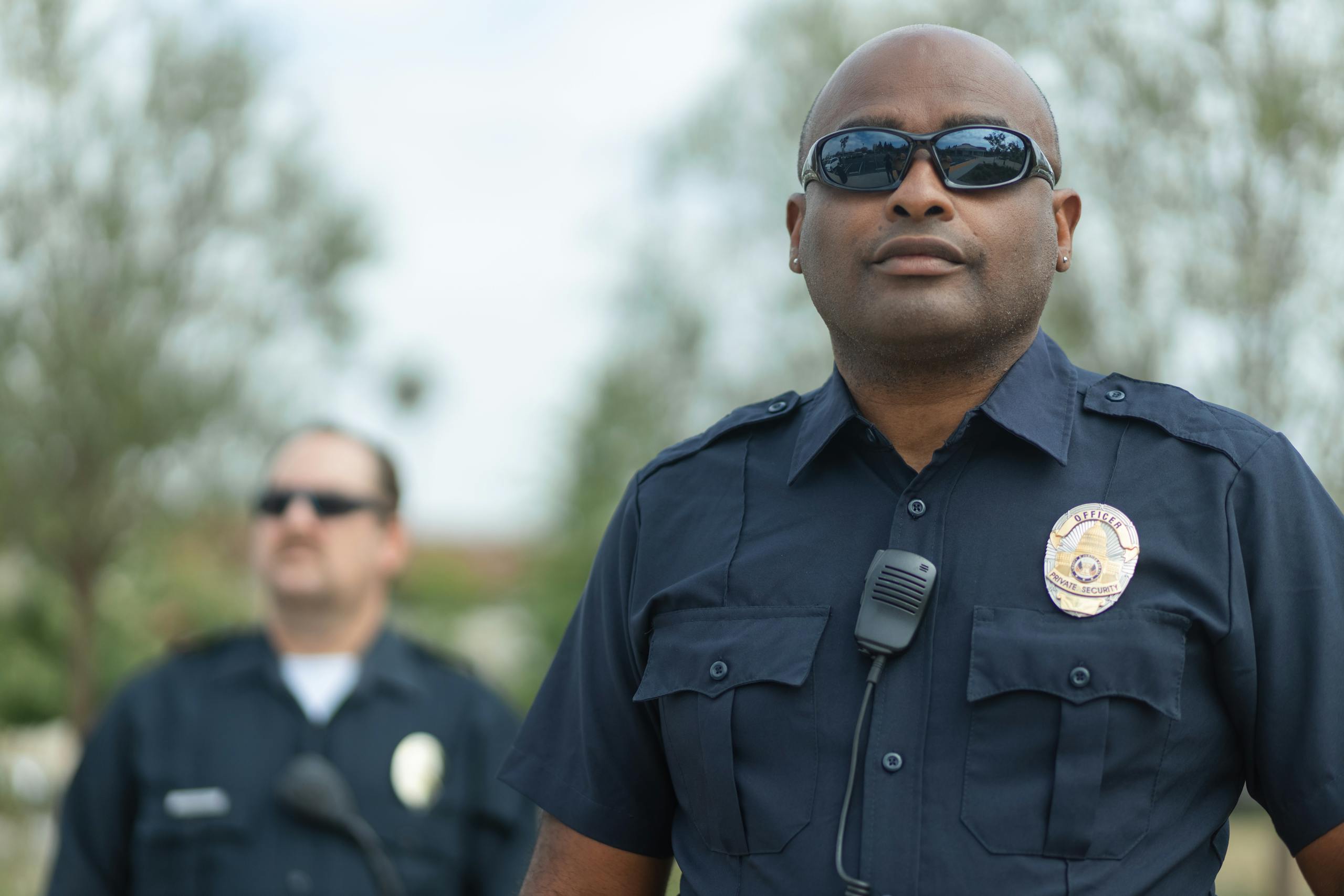
Public safety depends on more than having laws on the books. It depends on whether someone answers when people call for help.
Many departments have faced staffing problems, morale issues, recruitment challenges, and battles over public trust in recent years. Some agencies are recovering.
Others are still stretched. That matters because response time, patrol visibility, investigations, traffic enforcement, and community policing all depend on having enough trained personnel available.
Recent workforce data showed that police staffing increased slightly in 2024 but remained below 2020 levels across responding agencies. That is the kind of detail residents may not see directly, but they feel the effects when calls take longer, cases go unresolved, or officers seem too overloaded to handle quality-of-life complaints.
This is not just about the police. Emergency rooms, mental health responders, firefighters, paramedics, sanitation workers, transit staff, and outreach teams all shape how a city feels safe. When those systems are understaffed or overwhelmed, disorder lasts longer.
A city feels unsafe when residents believe no one is coming fast enough, or that no one can do much when they arrive.
Trust between strangers is breaking down.
A city runs on trust more than people realize. You trust the driver to stop. You trust the stranger in the elevator to behave. You trust the person behind you in line not to start a fight. You trust the transit rider beside you to leave you alone. You trust the system to respond if something goes wrong.
When that trust weakens, everything feels more dangerous. People become more guarded. They avoid eye contact. They clutch bags tighter. They choose routes carefully.
They stop helping strangers because they fear getting involved. They film incidents instead of stepping in. They assume the worst because the culture has trained them to expect it.
Public trust has taken serious hits, including trust in government and institutions. Recent polling shows trust in government remains near historic lows, and that matters because civic trust is part of urban safety.
If people do not trust leaders, police, media, courts, neighbors, or public systems, every problem feels bigger and more hopeless.
Cities depend on strangers sharing space peacefully. Once strangers start feeling like threats by default, the city becomes emotionally unsafe even before anything happens.
Conclusion

American cities are becoming unsafe in ways that do not always fit old crime headlines. The danger is not only homicide, robbery, or assault.
It is dangerous streets, visible homelessness, tense transit systems, locked-up stores, public drug crises, empty downtowns, strained emergency response, and a breakdown in trust between people who share the same sidewalks. That does not mean cities are doomed.
American cities are still centers of culture, food, business, art, education, nightlife, medicine, opportunity, and reinvention. Millions of people love them, defend them, and build lives in them every day. But loving cities should not require pretending everything is fine.
Safety is not just a statistic. It is the feeling of walking to your car without dread, letting your child cross the street without panic, riding the train without scanning every corner, buying groceries without locked shelves, and believing someone will help if trouble starts.
If American cities want people to stay, visit, work, shop, raise children, and grow old there, they need to make daily life feel safe again. Not just on paper. On the sidewalk.


