Trump, Iran War and Gas Prices: Why Fuel Costs Could Rise Again
The most important number in the oil market may not be the price of a barrel today. It may be the amount of protection the world has left against tomorrow’s crisis.
Oil prices dropped sharply on Monday after the United States and Iran paused military strikes over the weekend. Brent crude fell below $90 at one point, giving financial markets hope that diplomacy could reopen safer passage through the Strait of Hormuz and prevent another surge in energy costs. That relief matters, but it may not last.
American motorists are entering this fragile pause with gasoline already expensive, diesel costs climbing and emergency oil reserves partially drained. The market may have avoided its worst case for now, but it has also lost many of the shock absorbers that softened earlier disruptions.
The price at the pump is already telling a different story
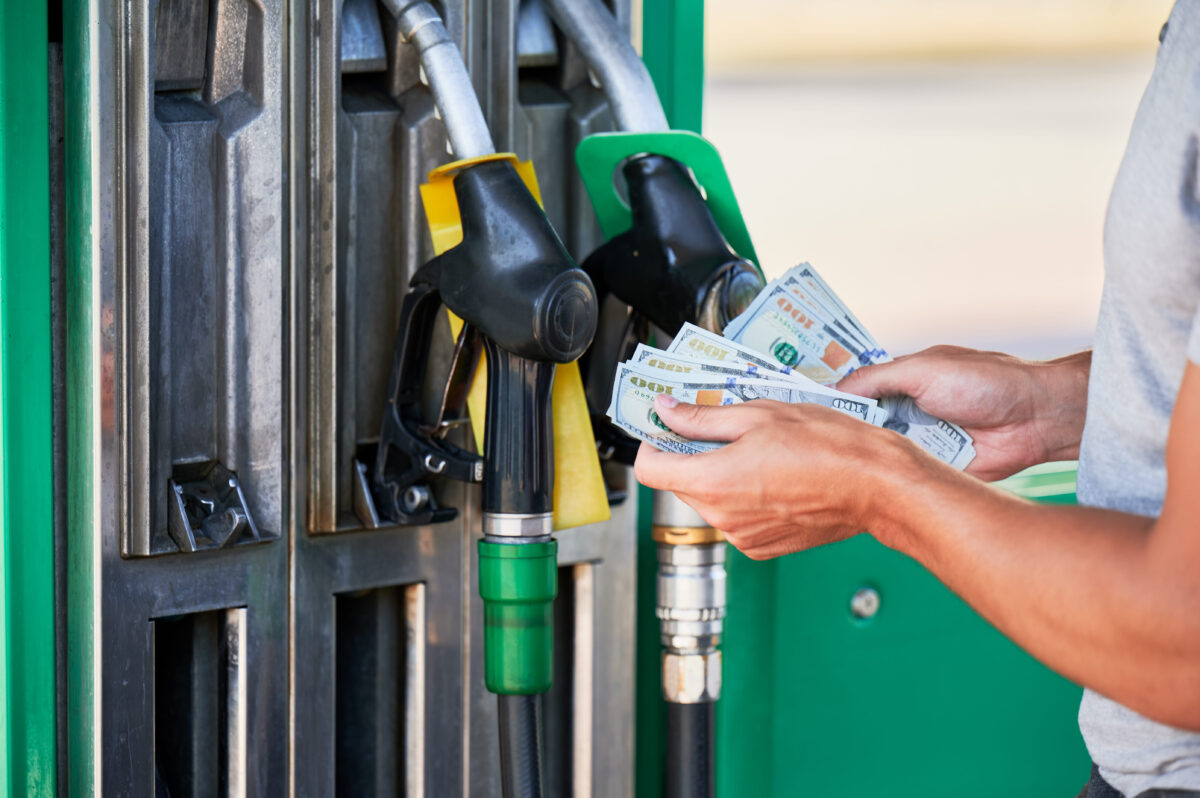
Crude oil can tumble within minutes after a diplomatic announcement. Neighborhood gas stations usually move more slowly.
AAA reported on July 23 that the national average for regular gasoline had jumped 15 cents in one week to $4.09 per gallon. Most states were averaging $4 or more as instability around the Strait of Hormuz pushed crude prices higher.
Federal data showed a similar pattern. The Energy Information Administration placed the national average at $4.001 on July 20, up nearly 15 cents from the previous week and 88 cents from one year earlier.
California motorists were paying an average of $5.35. New York stood near $4.08, while Texas, despite its enormous energy industry, averaged roughly $3.55.
Those figures reveal the uncomfortable gap between Wall Street relief and Main Street reality. Traders may celebrate a one-day oil decline, but families still have to fill their tanks at prices set by earlier crude purchases, refinery costs, transportation expenses and regional supply conditions.
The world has already used part of its emergency cushion
The Iran conflict did not hit an oil market with unlimited backup supplies.
In March, the International Energy Agency’s 32 member countries agreed to release 400 million barrels from emergency reserves. It was the largest coordinated oil-stock release in the agency’s history.
That decision helped prevent an even more severe supply shock. It also created a new vulnerability.
Emergency barrels can calm a crisis, but they cannot be released forever. Once inventories fall, governments eventually face pressure to replenish them. That means countries may return to the market as major buyers precisely when commercial demand is rising again.
We are therefore watching a market that has already played one of its strongest cards.
Another major interruption in Gulf shipping, damage to energy facilities or collapse in negotiations could be harder to absorb because part of the available backup supply has already been used.
Hormuz remains the narrow doorway behind America’s fuel bill

The Strait of Hormuz appears distant from the average American gas station, but it sits near the center of the global energy system.
Roughly 20 million barrels of crude oil and petroleum products moved through the strait each day in 2025. That represented about one-quarter of global seaborne oil trade, according to the IEA. When the Middle East conflict began on February 28, 2026, export volumes reportedly fell below 10 percent of their prewar level.
Few alternative routes can handle that amount of oil.
The United States produces large quantities of crude, but domestic production does not create a protective wall around American consumers. Oil trades in a global market. When buyers in Europe or Asia lose access to Gulf supplies, they compete for barrels from the United States and other producers.
That competition can raise the price American refineries pay. Drivers feel the result several steps later.
Diesel may deliver the bigger economic blow
Gasoline prices dominate headlines because motorists see them in giant numbers beside the highway. Diesel prices often travel farther through the economy.
The national diesel average reached $5.134 per gallon on July 20, according to the EIA. That was an increase of nearly 34 cents in one week and more than $1.32 compared with the same period last year. California’s average climbed above $6.47.
Diesel powers trucks, tractors, construction equipment and other machinery that keeps goods moving. When diesel becomes more expensive, the additional cost can appear in freight surcharges, farm expenses, building projects and store prices.
A family may use less gasoline by canceling a road trip. It cannot easily avoid the transportation costs hidden inside groceries, household supplies and online deliveries.
This is what makes the current energy crisis more dangerous than a painful visit to the pump. Fuel inflation can quietly enter the price of almost everything.
A pause in fighting is not the same as restored supply
The latest U.S.-Iran pause has lowered immediate fears, but commercial shipping does not return to normal simply because missiles stop flying for a weekend.
Reuters reported that fewer than 10 oil tankers per day had recently passed through Hormuz. Analysts warned that shipping flows could recover slowly because vessel owners, crews and insurers remain cautious about the risk of renewed attacks.
Negotiations must produce more than hopeful statements. Tankers need credible security guarantees. Ports and pipelines must operate reliably. Insurers must believe vessels can cross the region without becoming targets.
Until those conditions exist, oil prices may continue swinging wildly with every announcement from Washington, Tehran or regional capitals.
The real risk is how little room remains for another mistake

A lasting diplomatic agreement could send crude and gasoline prices lower. Safe shipping through Hormuz would restore supplies, reduce insurance costs and give refineries more confidence about future deliveries.
A fragile pause could produce the opposite outcome.
The global oil deficit for 2026 is now projected at roughly 1.5 million barrels per day, according to a Reuters survey of analysts. Before the conflict, the market had been expected to record a significant surplus.
That reversal captures the story facing American drivers.
The danger is not simply that oil once crossed $100. It is that the world now has less spare supply, fewer emergency barrels and limited patience for another disruption.
Gas prices may ease if the pause holds. But until ships move normally, reserves stabilize, and diplomacy becomes durable, relief at the pump will remain vulnerable to the next headline.