Democrats Put South Carolina First in 2028 Primary Calendar, Giving Black Voters an Early Voice
The road to the Democrats’ 2028 presidential nomination is set to begin in South Carolina, placing Black voters at the opening gate of what could become a wide-open race for the White House.
The Democratic National Committee’s Rules and Bylaws Committee voted 26-19 to place South Carolina ahead of Nevada. The decision still needs approval from the full DNC at its August meeting.
If approved, South Carolina will hold the first sanctioned Democratic primary on January 22, 2028. Nevada, New Hampshire, New Mexico, Michigan and Virginia will follow before Super Tuesday.
The calendar is more than a list of dates. It determines which voters meet presidential hopefuls first, where campaigns spend their early money and which candidates receive national attention.
South Carolina wins a close political fight.

South Carolina and Nevada spent months making competing arguments about which state best represents the Democratic coalition.
South Carolina focused on its large Black electorate, especially Black women who have remained among the party’s most dependable voters. State Democratic Chair Christale Spain argued that beginning in the South would show those voters that the party values their loyalty and political influence.
Nevada presented a different case. Its leaders described the state as affordable, competitive and rich in the working-class, Latino and union voters Democrats need to win national elections.
After two days of tense debate and intense lobbying, South Carolina prevailed by seven votes.
The result should not be read as a rejection of Latino voters. Nevada still holds a prominent early position. However, it shows which argument proved more persuasive when party officials chose who should speak first in 2028.
Black voters move from political backbone to opening act.
Black voters have powered Democratic campaigns for decades, but they once had little influence at the start of the presidential nomination process.
Iowa and New Hampshire traditionally voted first. Both states offered candidates valuable experience in small, retail-style campaigns, but neither reflected the racial makeup of the national Democratic electorate.
That system often allowed candidates to build momentum before facing large numbers of Black voters. A poor showing in Iowa could drain a campaign’s money and media attention before voters in the South had a chance to participate.
South Carolina changes that equation. Its Democratic primary electorate is heavily Black. Candidates will need to build relationships with Black churches, local organizers, community leaders and voters from the beginning. They cannot treat outreach to Black communities as a later stage of the campaign.
This may affect the types of issues discussed early in the race. Voting rights, healthcare, criminal justice, wages, education and economic inequality could receive greater attention before the field begins to shrink.
Biden’s 2020 comeback changed the calendar.
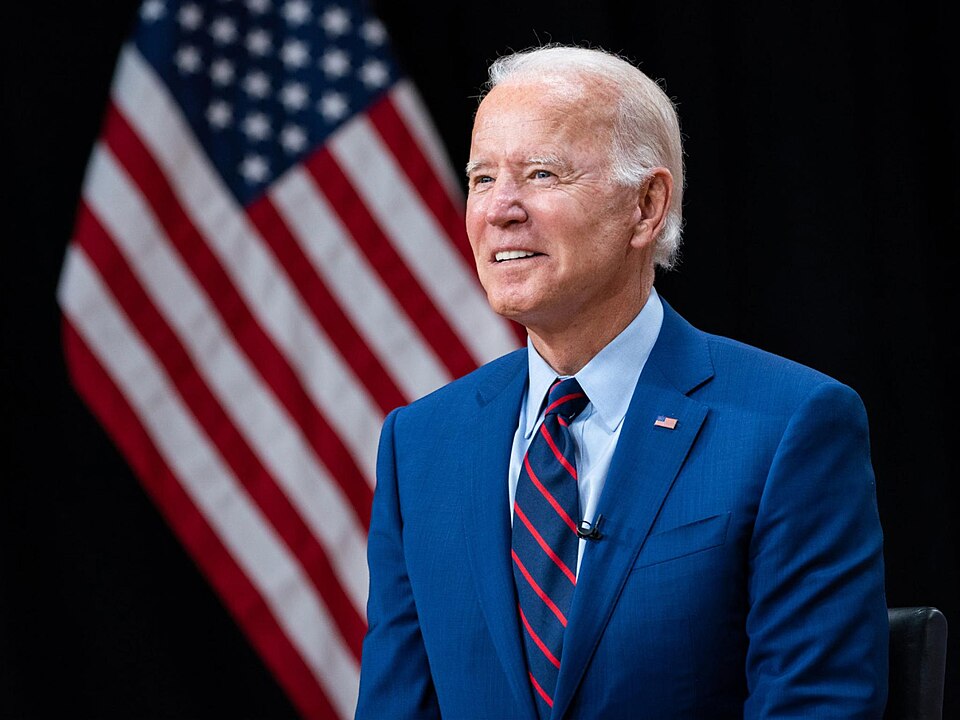
South Carolina earned its political importance long before it officially received the first position.
Joe Biden entered the state’s 2020 primary after disappointing finishes in Iowa and New Hampshire. His campaign appeared close to collapse. South Carolina’s Black voters, along with an influential endorsement from Representative James Clyburn, delivered him a decisive victory.
That win revived Biden’s campaign. He gained momentum, consolidated support and eventually secured the Democratic nomination.
As president, Biden urged the DNC to redesign its 2024 calendar. The party removed Iowa from the leading position and placed South Carolina first, with Nevada following.
.
A red state will help choose the Democratic nominee.
South Carolina has not supported a Democratic presidential candidate in a general election since Jimmy Carter in 1976. That raises an obvious question: Why should a Republican-dominated state receive such power inside the Democratic primary?
Supporters say presidential primaries and general elections test different skills.
A Democrat may not win South Carolina in November, but the state can reveal whether a candidate connects with Black voters across the South. Those voters remain vital in competitive states such as Georgia, North Carolina and Virginia.
South Carolina is also less expensive than major media markets. Candidates without enormous campaign accounts can compete through local events, direct conversations and community organizing.
Critics may still argue that the party should begin in a true battleground such as Nevada. There, candidates would face Latino voters, organized labor and an electorate that more closely resembles the coalition needed to win a general election.
That debate is unlikely to disappear simply because the committee voted.
New Hampshire could disrupt the plan.
New Hampshire law requires the state to hold its presidential primary before any similar contest. State officials have repeatedly defended that first-in-the-nation tradition, regardless of the national party’s preferred schedule.
New Hampshire ignored the DNC’s 2024 calendar and held its primary before South Carolina. The contest was unsanctioned, and Biden did not appear on the ballot, although supporters organized a write-in campaign that he won.
A similar confrontation could develop in 2028. The DNC can control delegate penalties and party recognition, but it cannot easily force New Hampshire officials to change state law.
That means South Carolina may become the first DNC-approved contest without necessarily becoming the first state where Democratic voters cast primary ballots.
The first test could shape a crowded race.

The 2028 contest may carry unusual weight because Democrats could enter it without an incumbent president seeking the nomination.
A large field would make the first result especially powerful. A South Carolina victory could attract donors, volunteers and media coverage. A poor performance could quickly expose a candidate’s weakness with Black voters.
The calendar could also influence who decides to run. Candidates with Southern connections or strong support among Black Democrats may see a clearer path. Others will need to invest early in communities where trust often takes years to build.
Still, South Carolina will not choose the nominee alone. Nevada tests strength with Latino and union voters. New Hampshire rewards close voter contact. Michigan represents a major industrial battleground, while Virginia and New Mexico add regional and demographic variety.
Together, the early states are designed to test whether candidates can build a coalition broad enough to compete nationwide.