Zohran Mamdani Faces Scrutiny Over Alleged Links Between His Politics and Muslim Brotherhood Ideology as New York Violence Sparks Debate
A new political controversy surrounding New York City Mayor Zohran Mamdani has intensified after critics questioned whether his views on Israel, Middle East politics and social movements have contributed to a growing atmosphere of division in the city. The debate follows renewed concerns over antisemitism, political rhetoric and public safety after violent incidents in Manhattan, with opponents pointing to what they describe as ideological connections between Mamdani’s political positions and broader Islamist movements.
However, the claims remain highly disputed. Critics have made allegations about Mamdani’s political ideology, while supporters argue that attacks against him often mix legitimate policy disagreements with accusations tied to his Muslim identity. Independent discussions around Mamdani have also highlighted concerns about rising Islamophobia and the use of religious identity as a political weapon.
The controversy has placed New York City at the center of a national debate over political speech, antisemitism, religious identity and the limits of ideological criticism.
Why Zohran Mamdani’s Views on Israel Have Become a Major Political Flashpoint
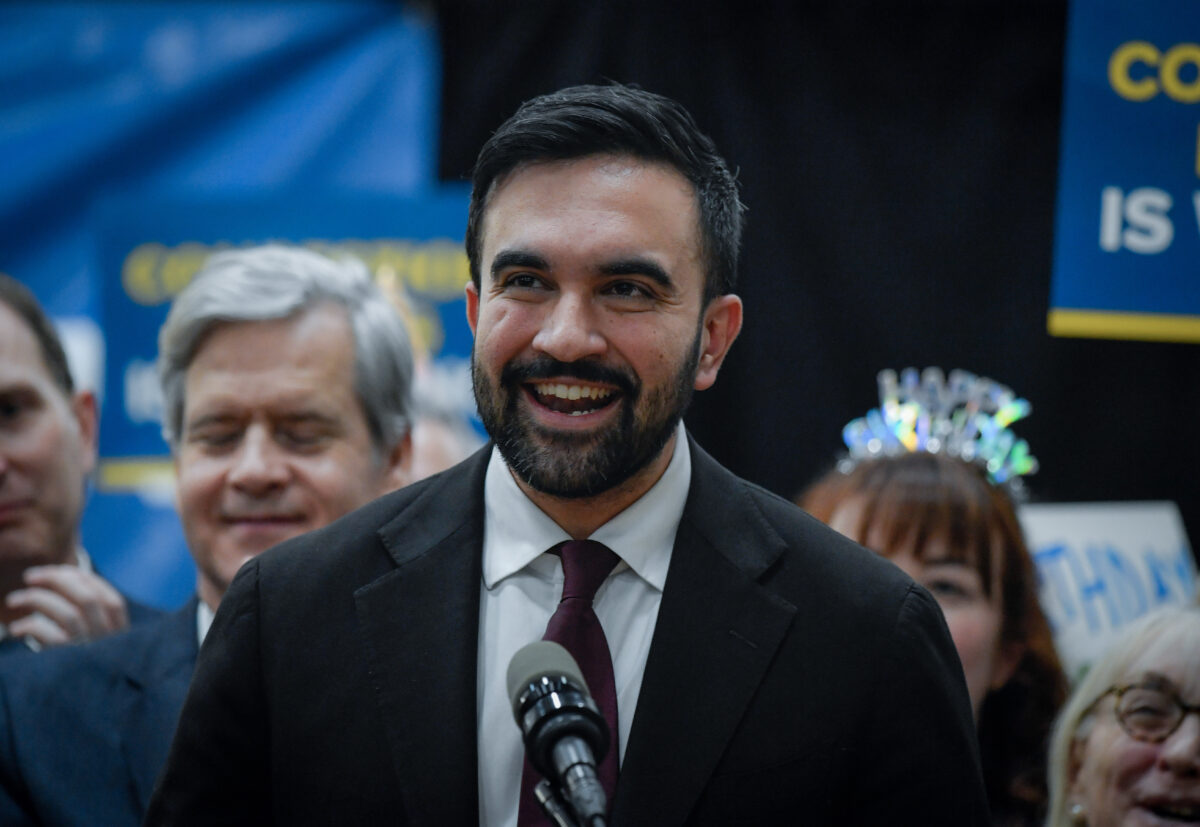
Mamdani, a prominent progressive politician, has built much of his public profile around issues such as housing affordability, economic inequality and foreign policy criticism, particularly regarding Israel’s actions in Gaza.
His outspoken opposition to Israeli government policies has made him a target for criticism from pro-Israel organizations and conservative commentators. Critics argue that some of his statements and political alliances have crossed into territory that creates hostility toward Jewish communities. Supporters reject that argument, saying criticism of a government’s policies should not automatically be labeled antisemitic.
The debate intensified after reports connected recent violence in Manhattan with broader concerns about antisemitism in New York. A Fox News opinion report cited an analysis from the Institute for the Study of Global Antisemitism and Policy (ISGAP) and argued that Mamdani’s political views align with themes associated with Muslim Brotherhood ideology.
Those claims have sparked fierce disagreement among political observers. Critics say they are raising questions about whether certain political messages can contribute to extremist narratives. Supporters argue that such comparisons unfairly associate mainstream political activism with extremist organizations.
New York Violence Raises Questions About Political Rhetoric and Public Responsibility
The latest controversy emerged amid renewed attention on antisemitic incidents in New York City. Reports said two men were stabbed on Manhattan’s Upper West Side in an incident that authorities investigated, with witnesses reporting that the attacker allegedly shouted a religious phrase during the assault. The victims survived, and the suspect was taken into custody.
The attack quickly became part of a larger political argument.
Some Jewish leaders and conservative figures argued that aggressive anti-Israel rhetoric has created a more hostile environment for Jewish New Yorkers. Former New York Governor David Paterson and other critics called for investigations into whether political language can contribute to increased antisemitic hostility.
Mamdani’s defenders pushed back against attempts to connect him directly to acts of violence. They argue that blaming elected officials for the actions of individuals risks oversimplifying complex social problems.
The debate reflects a broader national conversation: when does political criticism become dangerous rhetoric, and when is it simply protected speech?
The Muslim Brotherhood Allegation: What Critics Are Claiming
The Muslim Brotherhood is an international Islamist movement founded in Egypt in 1928. The organization has different branches and interpretations across countries, and governments around the world have taken varying positions regarding its classification and activities.
Critics of Mamdani argue that some of his political positions overlap with ideas they associate with Islamist movements. They have pointed to his support for certain pro-Palestinian causes, criticism of Israeli leadership, and participation in activist movements as evidence of ideological similarities.
Critics cite ISGAP-related claims, arguing that Mamdani’s political framework reflects themes connected to the Brotherhood’s worldview. However, such claims are politically contested, and disagreement exists over whether similarities in political positions prove organizational or ideological links.
Mamdani has not been shown to be a member of the Muslim Brotherhood, and critics have not publicly provided evidence demonstrating direct organizational ties.
The distinction between political ideology, religious identity, and formal affiliation has become a central issue in the debate.
Supporters Say Attacks on Mamdani Reflect Anti-Muslim Bias
While critics focus on his policies and statements, supporters argue that much of the backlash against Mamdani has been shaped by hostility toward his Muslim identity.
A report from the Center for the Study of Organized Hate examined online discussions surrounding Mamdani’s political rise and found significant levels of anti-Muslim rhetoric mixed with ideological attacks. The report argued that some online criticism moved beyond policy disagreements into broader attacks targeting Muslims.
Supporters say political opponents should challenge Mamdani’s ideas through normal democratic debate rather than linking his faith to extremist movements.
They argue that criticizing Israel, supporting Palestinian rights, or advocating progressive policies does not automatically indicate support for extremist organizations.
Jewish Community Concerns Remain Central to the Debate
New York City has one of the largest Jewish populations in the world, making discussions about antisemitism especially sensitive.
Jewish leaders who criticize Mamdani say their concerns are not about his religion but about whether his political messaging creates an environment where antisemitic ideas can spread.
Some have pointed to his positions on Israel and his support for the Boycott, Divestment and Sanctions (BDS) movement as reasons for concern. Mamdani has defended his support for BDS as a nonviolent political movement aimed at pressuring Israel over its policies.
The disagreement highlights a long-running divide in American politics: whether certain forms of anti-Israel activism represent legitimate political criticism or contribute to antisemitic narratives.
A Bigger National Debate Over Politics, Identity and Extremism
The controversy surrounding Mamdani reflects a larger political struggle playing out across the United States.
Cities are increasingly confronting questions about how leaders should discuss international conflicts, how communities respond to rising hate crimes, and how political disagreements can occur without turning into accusations of extremism.
For critics, the issue is about accountability and whether public figures should consider how their words influence social tensions.
For supporters, the issue is about preventing political disagreements from becoming attacks based on religion or identity.
As New York continues dealing with concerns over antisemitism, Islamophobia and political polarization, the debate surrounding Zohran Mamdani is likely to remain part of a much larger national conversation about free speech, leadership and the responsibility that comes with public influence.