Newly Released Biden Audio Tapes Reveal Classified References, Memory Questions and Private White House Conversations
Newly released audio recordings of former President Joe Biden’s conversations with his longtime biographer have opened a fresh political battle over classified information, presidential records and the private discussions that shape America’s biggest decisions. The recordings, released after a legal fight over public access, provide a rare look into Biden’s reflections on foreign policy, the Obama administration and his own political ambitions.
The tapes have quickly become a major point of debate because they touch on several issues that have followed Biden throughout his presidency and beyond: the handling of sensitive government material, questions about memory and the transparency of former leaders. While critics argue the recordings raise serious concerns, Biden’s allies say the conversations were private historical interviews that are now being used as a political weapon.
Biden Audio Tapes Released After Legal Battle Over Private Conversations
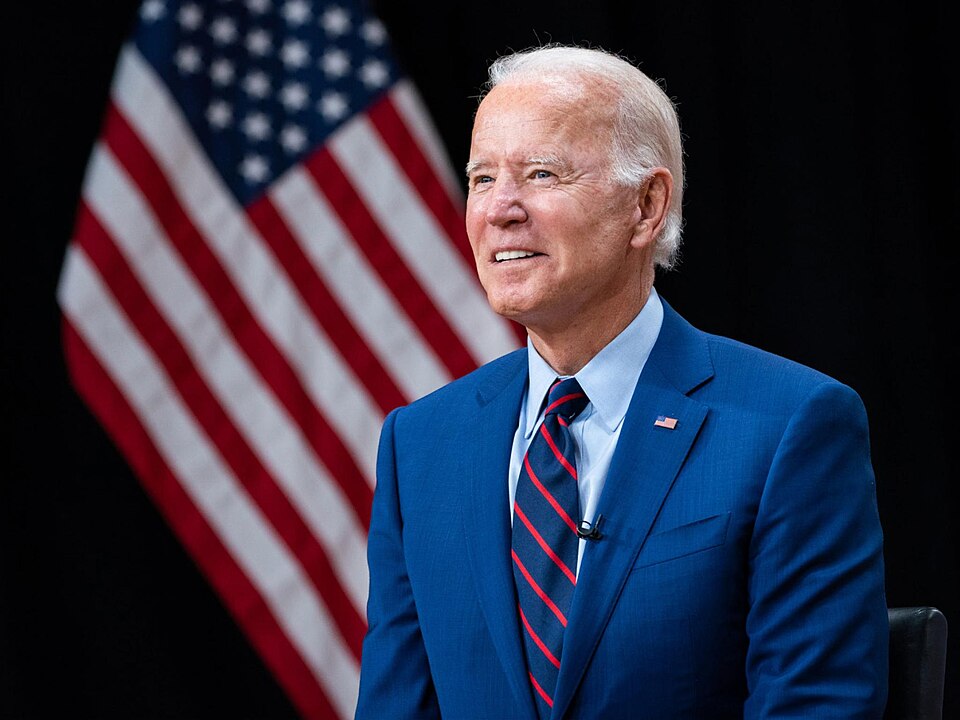
The newly released recordings came from interviews between Biden and author Mark Lewis Zwonitzer, who was working on a biography project about Biden’s life and political career. The conversations captured Biden discussing decades of public service, including his time as vice president under President Barack Obama. The recordings became the center of a legal dispute after the Oversight Project, a conservative organization connected to the Heritage Foundation, fought for their release.
The public release of the tapes has created a rare situation where private conversations intended for a book project are now being examined as potential evidence in a political debate. Supporters of disclosure argue that conversations involving a former president and government information deserve public scrutiny. Biden’s allies argue that confidential interviews should not be turned into political material after being provided with expectations of privacy.
Recordings Include References to Classified Material From Biden’s Vice Presidency
One of the most controversial parts of the recordings involves Biden discussing notes and documents connected to his years as vice president. In one clip, Biden reportedly said he had “just found” classified material while discussing his opposition to additional troop deployments in Afghanistan. He described using handwritten notes while explaining his views on one of the most debated foreign policy decisions of the Obama era.
Another portion of the recordings reportedly includes Biden referring to information as classified, although the full context remains unclear because some details have been redacted. The recordings have raised questions about how former officials handle sensitive information after leaving office. However, determining whether a legal violation occurred depends on factors such as intent, classification status, handling procedures, and cooperation with investigators.
The Biden Tapes Revive Debate Over Classified Documents and Presidential Records
The controversy surrounding the recordings is part of a much larger national discussion about how government officials manage sensitive materials after leaving office. Presidents, vice presidents, and senior officials often accumulate thousands of documents during their careers, including notes, briefing materials, and records related to national security. The challenge is determining which materials are personal records and which belong to the government.
The Presidential Records Act and classification rules are designed to protect important government information while preserving historical records. The Biden tapes have renewed questions about whether the current system provides enough clarity for former leaders handling decades of documents. The issue has become increasingly important as multiple administrations have faced scrutiny over classified material.
Robert Hur Investigation Returns to Political Spotlight
The release of the audio recordings has brought renewed attention to Special Counsel Robert Hur’s investigation into Biden’s handling of classified documents. Hur’s 2024 report examined classified materials discovered at locations connected to Biden and concluded that documents had been improperly retained. However, Hur decided not to recommend criminal charges, citing factors including Biden’s cooperation and the difficulty of proving intentional misconduct.
The report became politically controversial because Hur also discussed Biden’s memory and ability to recall certain events. The newly released tapes have become part of the ongoing argument over those findings, with critics saying the recordings reinforce concerns raised in the report. Biden supporters argue the conversations reflect a lengthy historical interview process and should not be interpreted without broader context.
Biden’s Private Conversations Reveal Behind-the-Scenes Obama White House Disputes
The recordings are not limited to classified material discussions. They also include Biden’s reflections on major policy debates during the Obama administration, including disagreements over how to respond to the 2008 financial crisis. Biden reportedly described moments when he pushed for stronger action and disagreed with other officials on how aggressively the government should respond.
The tapes provide a rare look into the internal disagreements that often happen behind closed doors in the White House. Former officials frequently describe administrations as places where competing ideas clash before major decisions are made. Biden’s comments offer insight into how he viewed his own role, his influence and the challenges of serving as vice president.
Biden Tapes Reveal His Private Thoughts About a 2016 Presidential Run
Another significant portion of the recordings reportedly involves Biden’s decision-making before the 2016 presidential election. Biden discussed conversations with advisers and Obama about whether he should enter the Democratic primary race. He reflected on concerns about competing against Hillary Clinton and Bernie Sanders while considering whether the political environment was favorable.
The recordings provide a rare glimpse into a major turning point in Biden’s career. According to the reported conversations, advisers discussed his strengths as a candidate, including his ability to present himself as a unifying figure. They also acknowledged challenges, including his reputation for verbal mistakes and the possibility that opponents could use those moments against him.
Memory Questions Become Central Focus After Tape Release
The issue of Biden’s memory has become one of the most debated topics surrounding the recordings. Critics argue that the tapes highlight moments where Biden struggled to recall specific dates, names or details from past events. They say the recordings add to concerns about whether a president can manage the demanding responsibilities of the office.
Biden’s supporters argue that recalling decades-old conversations during long interviews is difficult for anyone, especially during discussions involving thousands of historical details. They point out that biographical interviews are designed to capture memories, not function as formal examinations. The disagreement reflects a broader national debate about age, leadership and the expectations placed on presidents.
Biden Allies Accuse Opponents of Turning Private Interviews Into Political Attacks
Biden’s representatives have criticized the release of the recordings, arguing that the conversations were private discussions about personal history and a book project. They said the interviews were provided under expectations that they would remain confidential. Biden allies have accused political opponents of selectively using the tapes to create a negative narrative.
Those who supported releasing the recordings argue that transparency should outweigh privacy concerns when conversations involve a former president discussing government information. The dispute reflects a larger battle over accountability and the public’s right to understand how leaders make decisions. It also shows how politically sensitive information can quickly become part of a national debate.
The Biden Tapes Join a Larger Pattern of Classified Document Controversies

The Biden recordings are part of a broader national conversation about classified information handling among government officials. In recent years, several political figures from different administrations have faced questions about sensitive documents and record retention. Each situation has involved different facts, legal considerations, and levels of cooperation with investigators.
The debate highlights a difficult balance between protecting national security and ensuring accountability. Supporters of strict enforcement argue that classified information must be protected regardless of political party. Others argue that investigators must consider intent, circumstances, and cooperation when determining whether criminal action is appropriate.
What Happens Next After the Biden Audio Release
The release of the recordings is likely to fuel continued political and legal debate. Lawmakers may examine the contents further, while additional questions could emerge about the handling of classified information and the circumstances surrounding the interviews. The recordings may also become part of broader discussions about presidential transparency and accountability.
Beyond the political arguments, the tapes provide a rare historical record of a former president reflecting on some of the biggest decisions of his career. They reveal personal views on foreign policy, economic debates and political strategy that were previously discussed behind closed doors. As more people review the recordings, the central question will remain how much they reveal about leadership, responsibility and the realities of governing.