9 Things That Should Never Go in the Dishwasher
That dishwasher may feel like the hardest-working appliance in your kitchen, but it cannot safely handle every dirty item you toss inside. Still, convenience can come with a price when delicate cookware, sharp blades, wood, or specialty drinkware enters the machine. The USDA Food Safety and Inspection Service shows dishwashers can effectively clean and sanitize utensils and cutting boards if the items are dishwasher-safe and made of non-porous materials.
Manufacturers set their own standards because no universal industry definition of “dishwasher safe” exists. In many cases, a dishwasher will not destroy an item after one cycle, but repeated heat, detergent, moisture, and water pressure can shorten its useful life.
Chef’s knives and other sharp kitchen knives
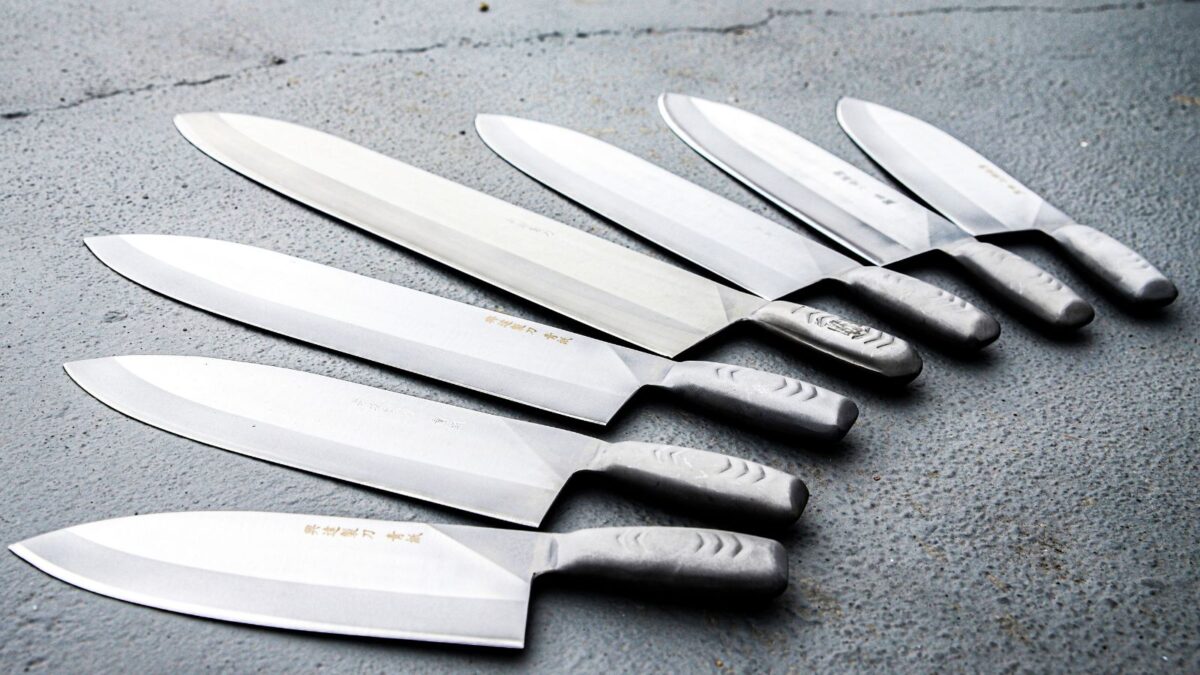
A good chef’s knife deserves better than a tumble among forks, plates, and powerful spray jets. Whirlpool advises consumers to keep sharp knives out because a dishwasher can nick or dull the blades and damage the machine’s racks. Its current loading guide also tells users to place sharp objects blade-down if they do put suitable knives in the utensil basket.
Hollow handles create another problem because high heat can soften the adhesive securing the blade. That weak connection may become a safety risk later. Hand-wash the knife, dry it right away, and store it securely to protect both the edge and your fingers.
Wooden cutting boards, utensils and serving pieces
Wood may look tough, but dishwasher heat and humidity can punish it over repeated cycles.Untreated wooden ware can warp, crack, or lose its finish, so hand-washing remains the gentler choice. The USDA Food Safety and Inspection Service explicitly states that solid wood cutting boards can be washed in a dishwasher, while laminated boards should stay out because they may crack and split.
Laminated boards can split as moisture and heat stress their glued layers. The agency still recommends washing them in hot, soapy water after each use. Treat this rule as protection advice, especially for butcher blocks, salad bowls, wooden spoons, and utensils with wooden handles.
Traditional cast-iron skillets and Dutch ovens
The secret to keeping a classic cast-iron skillet performing like a culinary heavyweight isn’t complicated, but it does demand respect for the golden rule: keep it far away from the dishwasher! Machine cycles blast away that glorious carbonized-oil seasoning the non-stick magic you’ve worked so hard to build leaving your favorite pan stripped, bare, and begging for rust.
If you’re rocking enameled cast iron, sure, the label technically says dishwasher-safe, but bathing it by hand is what preserves that glossy finish for generations. Treat your iron right, and it will reward your kitchen forever.
Nonstick and ceramic-coated cookware
A dishwasher can clean a coated pan, yet that does not mean repeated cycles serve the coating well. All-Clad recommends hand-washing nonstick cookware with warm, soapy water and a soft sponge because dishwashers use high heat and harsh alkaline detergents that degrade, corrode, and dry out the nonstick coating over time.
The category still contains exceptions. For example, All-Clad labels its 13-piece Essentials hard-anodized nonstick set dishwasher-safe, but the company still recommends soap and a sponge to preserve the surface. That distinction matters because “dishwasher-safe” can describe tolerance, not ideal long-term care.
Relatable: 9 Common Dishwasher Myths Debunked: Expert Advice for Cleaner, More Efficient Use
Fine crystal and delicate glassware
Fine crystal deserves royal treatment, not a bumpy rideshare inside a dishwasher where high heat and aggressive jets turn elegance into tragic shrapnel. Subjecting delicate stemware to machine cycles risks permanent etching, cloudy yellowing, or catastrophic thermal shock.
A quick splash in the sink, a gentle touch, and a silky microfibre buff keep fragile rims pristine, sparkling, and ready to elevate your next late-night toast without any surprise cracks. Forget risking your favorite vintage goblets in the rack; hand-wash those beauties and keep the sparkling glamour alive for every single toast to come.
Copper cookware and serving pieces
That glowing copper saucepan can lose some of its charm after repeated rides through a dishwasher. The official care guide from Whirlpool says copper pots and pans must be kept on your hand-wash list. Its dishwasher guidance also warns that certain softer metals can suffer pitting or discoloration under harsh washing conditions.
Copper owners have an extra reason to take care: the finish provides much of the material’s visual appeal. Skip the heavy-duty cycle and use mild care instead. That small effort makes particular sense for decorative pieces, vintage finds, and treasured family cookware.
Thin plastic and disposable aluminum pans
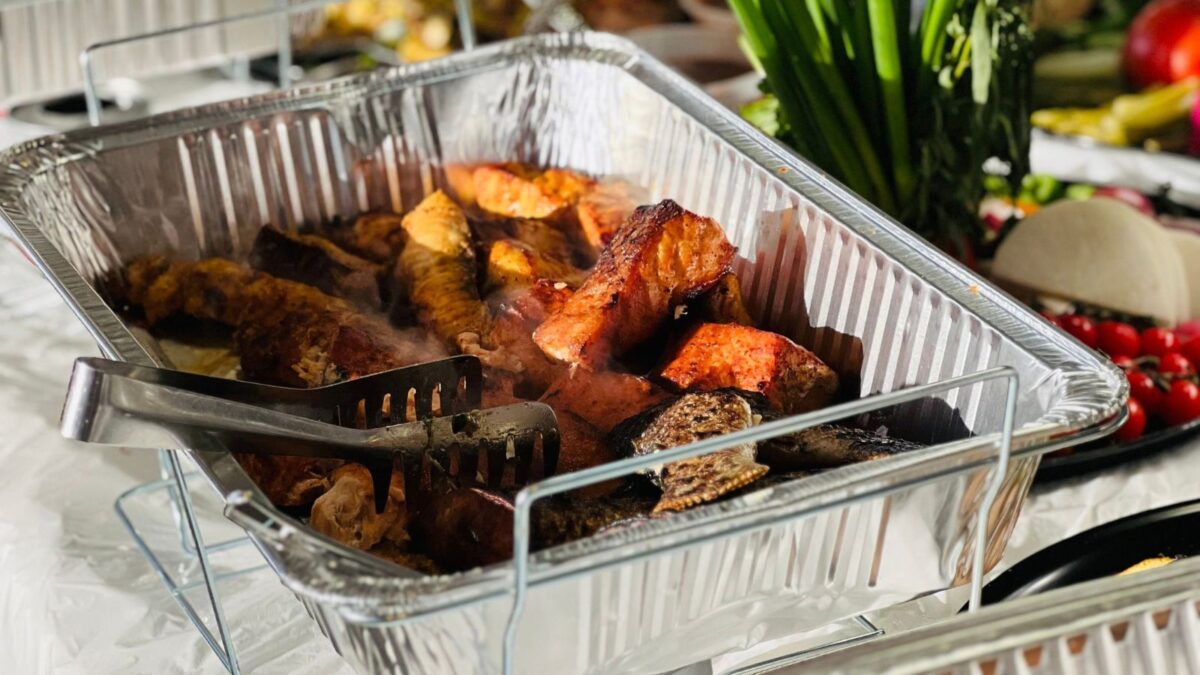
Flimsy containers can turn one easy cleanup into a dishwasher headache. Thin or disposable plastic can melt or distort, while dishwasher-safe plastic belongs on the top rack where it stays farther from the heating element.
Disposable aluminum creates a different mess. Throwaway aluminum pans are among items that should stay out because they can shift during washing and leave black marks behind. For reusable plastic, look for an explicit dishwasher-safe marking before loading it. If instructions specify top rack only, follow them. Tossing mystery plastic into a hot cycle simply isn’t worth the gamble.
Hand-painted, antique or metal-rimmed china
Grandma’s china should not face the same wash cycle as Tuesday night’s cereal bowls. Antique, hand-painted, and metal-rimmed china as pieces that deserve hand-washing because high temperatures, detergent, and water pressure may damage decorative details. Lenox recommends checking the base of your fine china to verify if it has a “dishwasher safe” marking before loading it into a dishwasher.
If a piece carries a dishwasher-safe mark, the company recommends one mild wash cycle and enough spacing to keep dishes from striking each other. Metal objects should also stay away from the china inside the rack. For heirloom pieces with unknown care histories, hand-washing remains the safer preservation choice.
Older or non-dishwasher-safe insulated bottles and mugs
Insulated drinkware is living proof that sweeping dishwasher rules are pure fantasy. Take Hydro Flask: newer models handle a cycle just fine, but older ones with a trademark symbol by the logo demand gentle hand-washing to survive. Their ultralight Trail Series bottles also strictly stay out of the soapy machine zone.
When you cannot figure out if your bottle is an elder statesman or a modern survivor, scrubbing by hand is always the ultimate play. Losing your vacuum seal turns a trusty desk companion into an oversized coaster, so play it safe.