Rick Scott Pushes Senate to Act on Voter ID Bill as Midterm Election Battle Intensifies
Sen. Rick Scott is turning up the pressure on the Senate as Republicans fight to move a sweeping voter ID bill through Congress before the midterm elections, putting election security back at the center of Washington’s political battlefield.
The Florida Republican is urging Senate leaders to act on the SAVE America Act, a bill backed by President Donald Trump that would require proof of U.S. citizenship for voter registration and photo identification for voting in federal elections. For Scott and other GOP lawmakers, the proposal is being framed as a simple test of election integrity: if Americans need identification for daily life, they argue, voting should not be treated differently.
But the fight is far from simple. The bill has already passed the House, but the Senate remains the real wall. Republicans do not appear to have the 60 votes needed to overcome a filibuster, and Democrats are firmly opposed. That means Scott’s push is not only about passing legislation. It is also about forcing a national debate just months before voters decide control of Congress.
Scott Turns Voter ID Into a Midterm Message
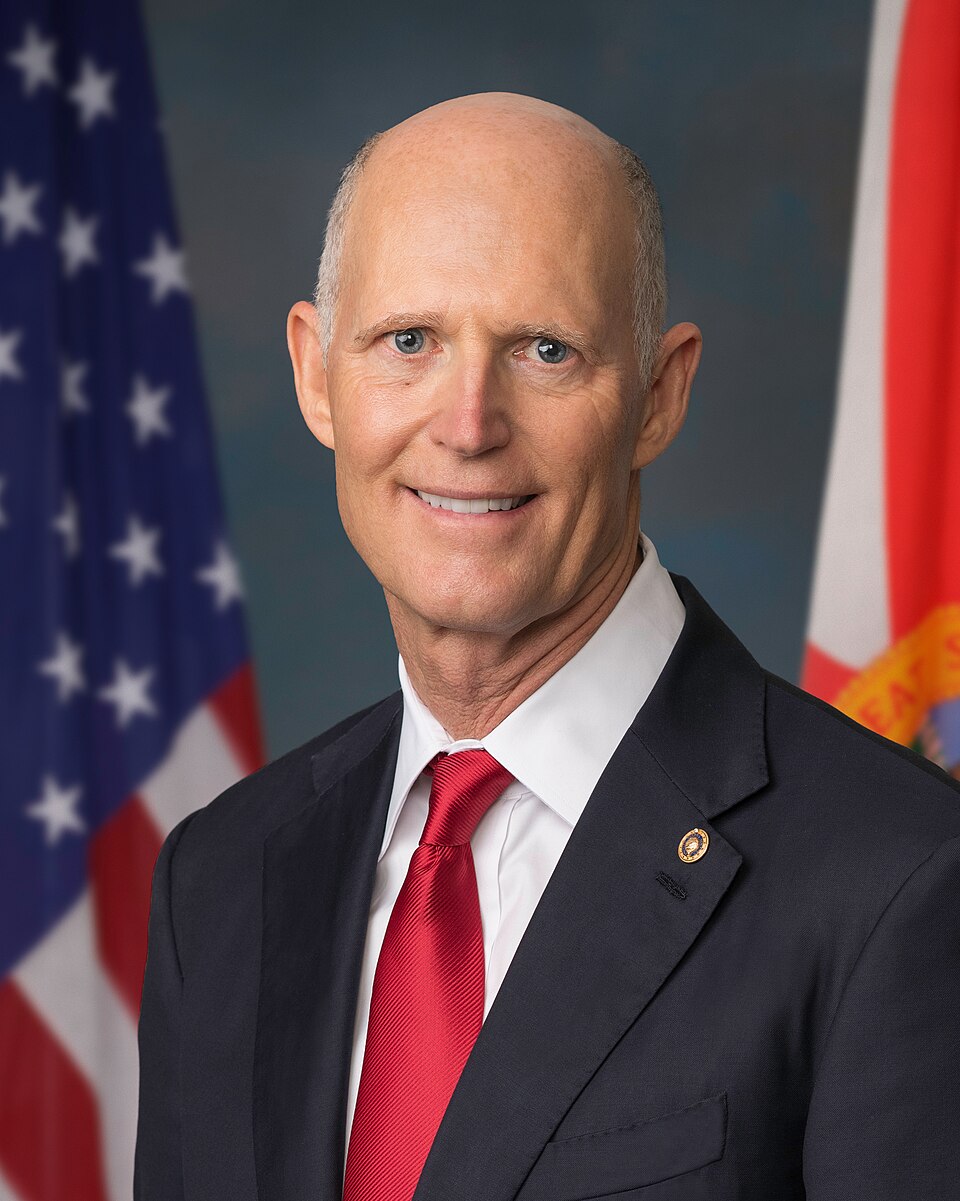
Scott’s message is direct: Republicans should not run away from the voter ID debate. They should run on it.
He has argued that voter ID is one of the few election issues that reaches beyond party lines, saying Americans across the political spectrum want stronger election security. That line of attack gives Republicans a clear weapon in the midterm. Instead of debating only inflation, immigration, taxes, or foreign policy, GOP candidates can point to voter ID and ask Democrats why they oppose a measure many voters say they support.
That is why the timing matters. With the November midterms approaching, Republicans see the SAVE America Act as more than a policy fight. They see it as a campaign issue with emotional power. The phrase “only citizens should vote” is easy to understand, easy to repeat, and hard for many voters to reject on the surface.
Scott is leaning into that simplicity. His argument is built on trust: trust in ballots, election workers, voter rolls, and final results. After years of national fights over mail-in ballots, recounts, fraud claims, and election lawsuits, Republicans believe voter confidence remains one of the strongest issues they can carry into 2026. Democrats see the same fight very differently.
Democrats Warn the Bill Could Block Legal Voters
Democratic leaders and voting-rights advocates argue the SAVE America Act is not just a voter ID bill. They say it would create new barriers for eligible Americans who may not have quick access to a passport, birth certificate, naturalization papers, or updated identity document.
That concern is especially acute for married women who have changed their names, elderly voters, low-income citizens, rural residents, students, and people who do not keep their original citizenship documents nearby. Critics argue that even a small paperwork barrier can become a major voting barrier when deadlines, transportation, fees, or government office hours are involved.
Democrats also point out that noncitizen voting in federal elections is already illegal. Their argument is that Republicans are trying to solve a rare problem with a broad national rule that could affect millions of legitimate voters.
That is where the debate becomes explosive. Republicans say Democrats are defending a loose system. Democrats say Republicans are tightening the rules in a way that could suppress turnout. Both sides know the language matters, because “election security” and “voter suppression” are two of the most powerful phrases in modern American politics.
A Bill With Popular Parts and Political Problems
The complicated part for Democrats is that voter ID, as a general idea, remains popular with many Americans. Polling has repeatedly shown strong support for photo identification at the polls and proof of citizenship when registering to vote for the first time.
That gives Scott and other Republicans an opening. They can argue that the public is already ahead of Washington, and that Senate Democrats are blocking something voters consider common sense.
But popular slogans can become difficult legislation. The details are where the SAVE America Act becomes politically dangerous. A basic voter ID rule is one thing. A national proof-of-citizenship system, mail-ballot restrictions, voter-roll reviews, and possible penalties for election officials are other examples.
That is why the Senate is stuck. Some Republicans want to force the issue as hard as possible, even if it means a bruising floor fight. Others worry that attaching the bill to unrelated legislation or bending Senate rules could backfire, especially when the party is trying to defend competitive seats.
President Trump has made the bill a priority, increasing pressure on Republican senators. Scott is one of the GOP voices backing that pressure, arguing that Washington should act rather than hide behind procedure. But Senate math is unforgiving. Without Democratic votes or a major rules change, the bill faces a steep climb.
Why This Fight Is Bigger Than One Bill
The SAVE America Act is becoming a symbol of the 2026 election before the first general-election ballots are even cast. For Republicans, it is a chance to say they are protecting the vote before Election Day. For Democrats, it is a warning that voting access itself is on the line. For voters, it is another reminder that the rules of democracy have become part of the campaign.
Scott’s push also reveals a larger Republican strategy: make Democrats vote against voter ID, then take that vote back to the campaign trail. Whether the bill passes or fails, Republicans can still use the debate in ads, speeches, interviews, and town halls. That may be the real point.
The Senate may not have the votes to pass the SAVE America Act right now, but Scott’s pressure ensures the issue will not quietly disappear. As the midterm season heats up, voter ID is no longer just a policy proposal sitting in Congress. It is becoming a political dividing line. And in a close election year, dividing lines are exactly what both parties are looking for.