Bruce Springsteen Faces a Painful Divide With Fans Who Once Felt Like Family
Bruce Springsteen built his name singing about the America people recognize before they ever hear a politician speak. The tired worker. The closed factory. The soldier who came home changed. The small town that still remembers better days. The family is trying to keep faith when the country feels like it is moving without them.
That is why his latest challenge cuts deeper than another celebrity politics story. Springsteen is not just dealing with critics. He is dealing with fans who once felt seen by his music but now feel pushed away by his politics.
For some of them, the songs still matter. The memories still matter. The road trips, the old records, the concerts, the bar band covers, and the feeling of hearing a voice that sounded like home still matter. But politics has changed the room.
Now Springsteen says he wants to find common ground with fans who walked away. That one idea is bigger than music. It touches something painful in American life right now. People are not just arguing over elections. They are arguing over who still belongs in the same country, the same family, and even the same audience.
The Songs Stayed, but the Room Changed
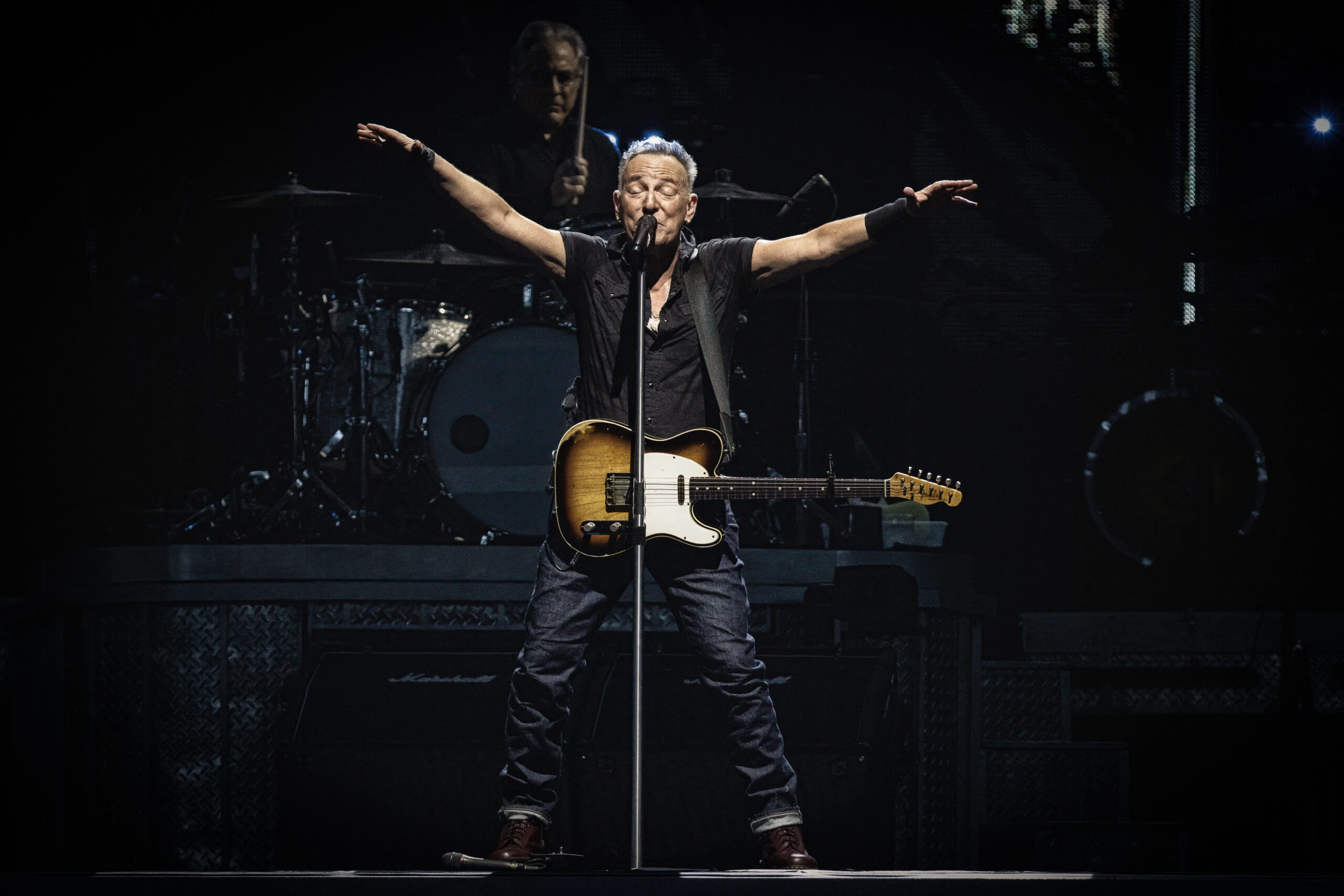
Thomstrom5700, CC BY-SA 4.0, via Wikimedia Commons Licensed underSpringsteen and E Street Band 2023 Tour
For decades, Springsteen concerts felt like a shared American ritual. People from different towns, classes, and political backgrounds could stand together and sing the same chorus. Nobody had to agree on everything to feel something together.
That is harder now. Politics follows people everywhere. It follows them to restaurants, ballgames, churches, workplaces, family dinners, and concert halls. Even music, once one of America’s safest escape routes, can now feel like another battlefield.
That is the emotional weight behind Springsteen’s comments. Some fans still like his voice. They did not erase the memories attached to his songs. They simply began to feel that the artist they loved was speaking past them, or worse, speaking against them.
Whether that feeling is fair or not, it is real for many listeners. And in today’s America, feeling dismissed can be enough to make people walk away from almost anything.
Springsteen May Feel Misunderstood Too
There is another side to this story that should not be ignored. Springsteen may not see his political voice as a new turn at all.
His music has long carried stories about hardship, power, work, war, race, class, immigration, loss, and national disappointment. To many supporters, his political comments are not a sudden betrayal of the music. They are part of the same moral thread that has always run through it.
That is why the divide feels so complicated. Some fans hear him and think he has become too political. Others hear him and think he is simply saying out loud what his songs have been saying for years.
Springsteen’s problem is not that people suddenly discovered politics in his work. His problem is that American politics has become so personal that listeners now hear disagreement as rejection.
That is where misunderstanding grows. He may believe he is defending the America he has always sung about. Some former fans may believe he is judging the America they live in now.
When Fans Feel Like Strangers
There is a special kind of hurt that comes when people feel shut out by something they once loved.
A fan does not just follow a musician because of sound. They follow memories. A first car. A father’s favorite record. A summer night. A hard year. A song that made them feel less alone. For many Americans, Springsteen was never background noise. He was part of their personal history.
So when politics enters that relationship, it can feel like something private has been taken over by something public. Suddenly, a song that once belonged to everyone feels like it is asking people to pick a side.
That is why this story can stir so much emotion. It is not only about who is right or wrong politically. It is about what happens when people feel that a shared piece of American culture no longer has a seat for them.
Some fans may be angry. Some may be disappointed. Some may be torn. And some may still be listening quietly, wondering if there is a way to disagree without leaving.
America Keeps Turning Culture Into a Loyalty Test
Springsteen’s divide reflects a larger American habit that has become exhausting. People are expected to sort nearly everything into red or blue.
The music you like. The brand you buy. The beer you drink. The movie you watch. The city you live in. The celebrity you defend. The celebrity you boycott. Everything becomes a signal. Everything becomes a test.
That is why a rock star’s comments can become national news. It is not only about the comments. It is about the deeper fear that Americans no longer know how to share anything without turning it into a fight.
Springsteen stands in a strange place in that fight. He has long been viewed as a voice for working people, but many working-class communities have moved politically in ways that do not always align with his public views. That creates tension.
The artist still sings about pain. The audience still feels pain. But they may now blame different people for it.
The President Trump Factor Made the Divide Louder

Springsteen’s criticism of President Trump has made the split more visible. For supporters who already agree with him, his comments sound like courage. For fans who support President Trump, or simply do not want politics at a concert, the same comments can feel like an attack.
That difference explains why this story has legs. It is not just celebrity drama. It is a collision between two powerful loyalties.
Some fans feel loyal to Springsteen because his music helped shape their lives. Others feel loyal to their political beliefs and do not want to be lectured by someone on stage. Many probably sit somewhere in the middle, still loving the songs while wishing the atmosphere felt less hostile.
This is what makes the story so human. It is not clean. It is not simple. It is full of people trying to hold on to different parts of themselves at once.
A person can love Springsteen and disagree with him. A person can support their right to speak and still wish concerts felt less political. A person can walk away and still miss what the music once meant.
The Music Was Never as Simple as People Remember
There is also an uncomfortable truth for fans who say Springsteen should never mix music and politics. His songs were never only about fun.
Yes, he gave America big choruses and stadium moments. But beneath the sound, many of his songs were about people being crushed by forces bigger than themselves. War. Jobs disappearing. towns fading. Families breaking. Hope is surviving by a thread.
That is why some supporters argue that Springsteen did not change. America changed around him. The country became sharper, angrier, and less willing to hear criticism from anyone who does not already belong to their side.
Still, that does not erase the reaction from fans who feel alienated. The emotional truth can exist on both sides. Springsteen may be consistent. Some fans may still feel pushed away. Both can be true at the same time.
That is the kind of nuance America struggles with now. People want heroes or villains. But this story is mostly about disappointment, loyalty, pride, and distance.
Common Ground Sounds Easy Until People Try It
Springsteen’s desire to find common ground sounds warm, but common ground is hard when people feel wounded.
It asks fans to accept that an artist can disagree with them without hating them. It asks Springsteen to understand that some listeners are tired of feeling judged by the cultural figures they once admired. It asks everyone to leave a little room for complexity.
That may be too much for some people. The country is tired. Many Americans are already carrying political anger into every part of life. They may not want another invitation to understand the other side.
But if there is any place where common ground still has a chance, music might be one of the last rooms left.
A song can reach people before an argument does. It can remind them of grief, work, family, youth, regret, and hope. It can make two people who disagree remember that they still know the same words.
The Real Question Is Bigger Than Springsteen
This story is really asking whether Americans can still separate disagreement from rejection.
Can a conservative fan still love a liberal artist? Can a liberal artist still care about conservative fans? Can people disagree on President Trump and still share a song without turning the room into a battlefield?
Those questions matter because the Springsteen divide is not unique. It is happening everywhere. Families are splitting over politics. Friendships are going quiet. Communities are becoming suspicious. People are learning to avoid topics, avoid neighbors, and avoid each other.
That is why Springsteen’s search for common ground feels strangely important. It may not heal the country. It may not win back every fan. It may not stop the arguments. But it does point to something America badly needs.
The country needs more spaces where disagreement does not immediately become exile.
Springsteen has spent his career singing about people trying to get through hard times without losing themselves. Now he is facing a version of that same story with his own audience.
Maybe some fans will come back. Maybe some will not. But the question hanging over the music is one many Americans may recognize: when politics changes how we see each other, can we still hear the same song?