Trump’s Canada “51st State” Talk Isn’t Going Away, and It’s Starting to Look Less Like a Joke
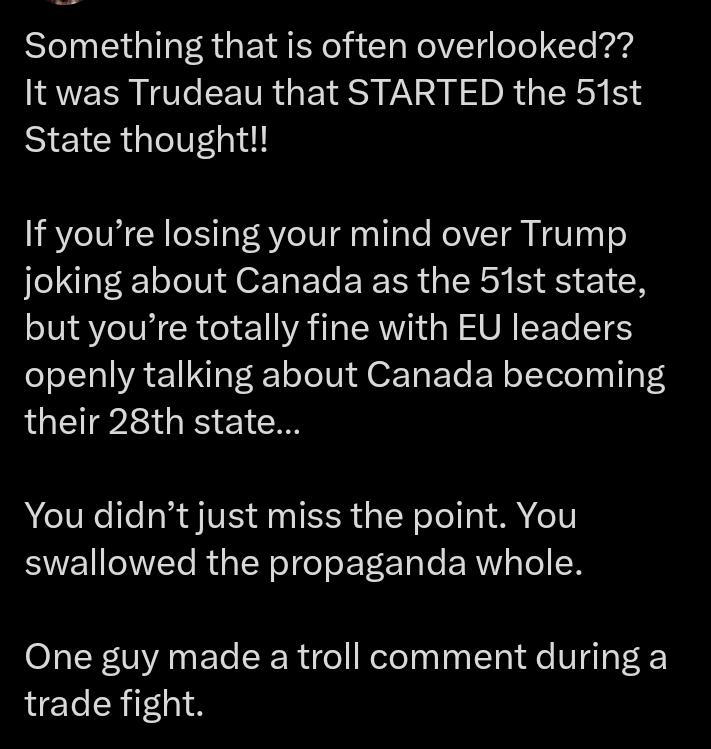
A political joke usually fades after the laugh. Donald Trump’s “Canada as the 51st state” idea has done the opposite. It keeps recurring in speeches, interviews, social media posts, and trade discussions, turning what once sounded like a provocation into a serious diplomatic irritant between two countries that share one of the world’s most important economic relationships.
For many Americans, the phrase may sound like Trump being Trump: loud, teasing, dramatic, and designed to dominate headlines. But in Canada, the reaction has shifted. Leaders are no longer treating it as harmless banter. They are reading it as part of a broader pressure campaign centered on trade, tariffs, natural resources, border politics, and American power.
Canada Heard the Joke Once. Now It Hears a Warning

At first, Trump’s 51st state comments were easy for some people to dismiss. The idea of Canada joining the United States sounded unrealistic, almost cartoonish. Canada is a sovereign country with its own Parliament, health care system, currency, courts, provinces, identity, and political culture. There is no simple legal or political path for Washington to absorb it.
But repetition changes the meaning. When the same line keeps coming back during tariff threats and trade negotiations, it no longer lands as a one-off joke. It begins to sound like leverage.
That is why Canadian officials have been so blunt. Their message is simple: Canada is not for sale, Canada is not joining the United States, and Canadian sovereignty is not a bargaining chip. The stronger Trump pushes the phrase, the stronger Canadian resistance grows.
The Trade Fight Is the Real Battlefield
The 51st state talk is not happening in a vacuum. It is tied to a much larger fight over North American trade.
The United States and Canada buy and sell enormous amounts of goods across the border. Cars, oil, gas, lumber, steel, aluminum, food, electricity, and manufactured parts move through supply chains that often cross the border more than once before reaching consumers. When Trump frames the relationship as America “losing” to Canada, he turns a complicated trade partnership into a political grievance.
That framing is powerful, but it leaves out important context. A trade deficit is not the same thing as a subsidy. In many cases, the U.S. buys Canadian energy and materials because American businesses and consumers need them. That trade supports refineries, factories, construction firms, farmers, truckers, and retailers on both sides of the border.
Still, the “we are being taken advantage of” message is politically useful. It gives Trump a simple story to tell: Canada depends on America, so America should demand more.
Resources Are the Quiet Prize Behind the Noise
The deeper reason this issue keeps coming back may be Canada’s resources.
Canada has oil, natural gas, uranium, potash, lumber, fresh water, critical minerals, hydroelectric power, and Arctic access. In a world where energy security, defense supply chains, electric vehicles, artificial intelligence, and military production all depend on reliable resources, Canada is not just a neighbor. It is a strategic asset.
That does not mean the United States is about to annex Canada. But it does explain why the language of ownership is so explosive. When Trump talks about Canada as if it would be “better off” inside America, Canadians hear more than a slogan. They hear a powerful neighbor viewing their land, resources, and economy as something to be controlled.
This is where the 51st state idea becomes more than political theater. It turns trade frustration into a question of sovereignty. It changes the conversation from “How should two allies cooperate?” to “Who really holds the power?”
Mark Carney Is Trying to Change the Game
Canada’s response under Prime Minister Mark Carney has not been only emotional. It has also been strategic.
Carney has pushed the idea that Canada should not spend the next decade simply waiting to see what Washington wants. Instead, Canada is trying to deepen ties with Europe, expand non-U.S. exports, and reduce the risk of overreliance on a single unpredictable partner.
That does not mean Canada can walk away from the United States. It cannot. The two economies are too connected. Canadian exporters need American buyers, and American businesses need Canadian supplies. But Carney’s message is clear: Canada wants options.
This is why Trump’s 51st state talk may backfire. Instead of making Canada feel smaller, it may push Canadians to become more protective of their independence. Instead of pulling Canada closer, it may convince Ottawa to build stronger bridges elsewhere.
Why Trump Keeps Using the Line
Trump understands the power of a phrase. “51st state” is short, simple, and instantly controversial. It turns trade policy into a map. It turns a neighboring country into a campaign talking point. It forces Canadian leaders to respond, which keeps the story alive.
It also fits Trump’s political style. He often uses extreme statements to open negotiations, dominate media coverage, and shift the center of debate. By saying something outrageous, he makes other demands look more moderate by comparison.
If the real goal is tariffs, trade concessions, defense spending, border cooperation, or better terms in North American negotiations, the 51st state line serves as a tool for pressure. It is not necessarily about making Canada a state tomorrow. It is about reminding Canada that Trump believes the United States has the upper hand.
Why Americans Should Pay Attention
This story is not just about Canadian pride. It affects American families, too.
When U.S.-Canada relations become unstable, the impact can show up in prices. Tariffs can raise costs for cars, groceries, gasoline, homebuilding materials, appliances, and farm equipment. Border tension can slow supply chains. Uncertainty can make businesses delay investment or hiring.
Many Americans live in states that depend heavily on Canadian trade. Michigan, New York, Ohio, Pennsylvania, Minnesota, North Dakota, Montana, Washington, and Maine all have deep cross-border ties. For those communities, Canada is not an abstract foreign country. It is a customer, supplier, employer, tourist source, and daily economic partner.
That is why the 51st state talk may create more risk than reward. It may thrill some voters for a moment, but the real costs could land on workers and consumers who depend on a stable border.
Canada’s Anger Is Becoming Its Own Political Force
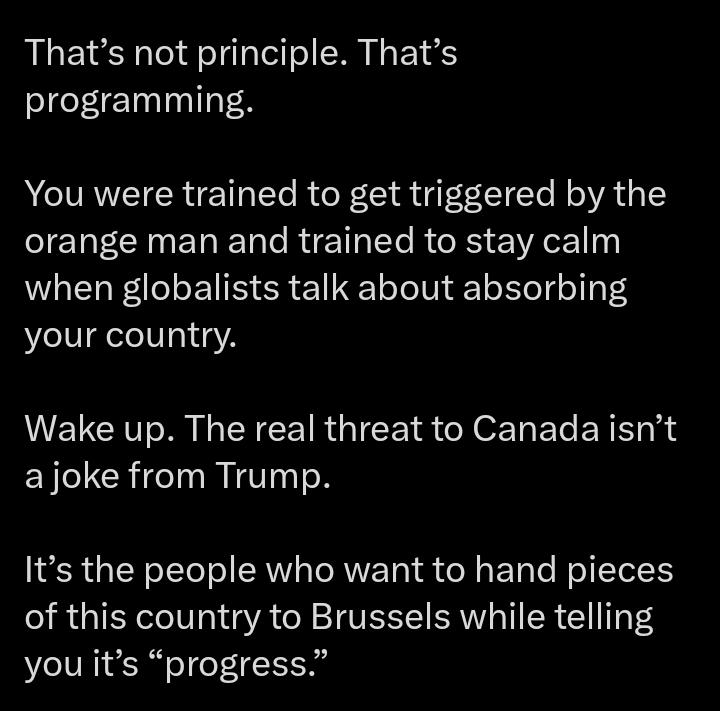
One of the biggest unintended consequences of Trump’s rhetoric is that it has fueled Canadian nationalism.
Canadians who disagree on taxes, climate policy, immigration, energy, and provincial power often agree on one thing: they do not want to be swallowed by the United States. Every time the 51st state line returns, it gives Canadian politicians a chance to stand together and defend sovereignty.
That matters because Canada has its own internal divisions. Alberta separatism, regional frustration, cost-of-living anger, and debates over energy policy have all tested national unity. But outside pressure can change the mood. When Canadians feel mocked or threatened by Washington, they may rally around the flag in ways domestic politicians could not easily create on their own.
Trump may think the phrase exposes Canada’s weakness. It may actually be exposing Canada’s red line.
The Real Reason the Idea Will Not Die
The 51st state idea survives because it is useful. It gives Trump a headline. It gives him leverage. It lets him frame Canada as dependent. It turns trade deficits into a national insult. It puts pressure on Canadian leaders during negotiations. And it reminds voters that he is willing to say things other politicians would never say.
But usefulness is not the same as wisdom.
Canada is not becoming the 51st state. The real question is what happens to the U.S.-Canada relationship if the idea keeps being repeated as if sovereignty is a punchline. Allies can survive arguments. They can survive tariffs. They can even survive political theater. But trust is harder to rebuild once a neighbor starts sounding less like a partner and more like a buyer looking over the fence.