10 Disturbing Psychological Experiments That Shocked the World
Human curiosity has always pushed the boundaries of science, but sometimes that curiosity takes a dark turn. Across history, researchers have put volunteers, students, and unsuspecting individuals through trials that test obedience, fear, and morality in ways that would be unacceptable today. These experiments reveal just how far humans will go under authority, stress, or social pressure. They are unsettling, fascinating, and often deeply controversial.
Even when conducted under the guise of progress, these studies left lasting scars, both on participants and on the ethical framework of psychology itself. They force us to ask uncomfortable questions about human behavior, societal influence, and the cost of knowledge. Here are 10 of the most shocking psychological experiments that reveal the darker side of science.
The Milgram Obedience Experiment
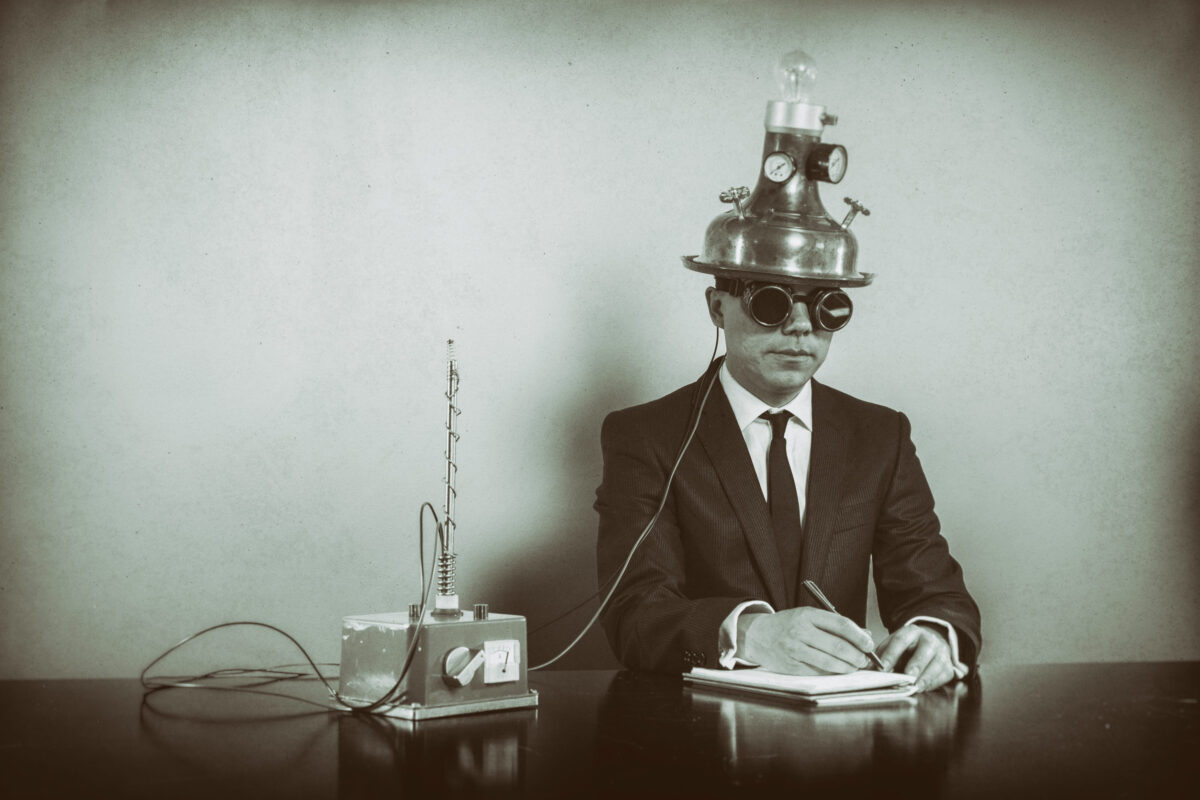
In the 1960s, Stanley Milgram set out to test obedience to authority. Participants were instructed to administer increasingly severe electric shocks to another person whenever a mistake was made on a memory task. In reality, the “victim” was an actor, and no shocks were real, but the participants did not know this. Most followed instructions to deliver what they believed were dangerous shocks. This experiment exposed how ordinary people could inflict harm when following authority, highlighting disturbing truths about human compliance and moral flexibility.
The study’s results shocked the world, revealing that people often override their personal conscience in response to authoritative commands. The implications extend beyond the lab, as they explain historical atrocities in which individuals commit acts they might personally condemn simply because an authority figure directed them to do so. This experiment remains a chilling reminder of obedience’s power.
The Stanford Prison Experiment

Philip Zimbardo’s 1971 study at Stanford University simulated a prison environment using student volunteers assigned as guards or prisoners. The participants quickly adopted extreme behaviors, with guards becoming abusive and prisoners showing severe emotional distress. The experiment spiraled out of control within days and was halted prematurely. It demonstrated the impact of situational power and role-playing on human behavior, illustrating how ordinary individuals can commit cruel acts when given authority.
The Stanford Prison Experiment revealed that context often outweighs personal morality. The psychological transformation of both guards and prisoners shocked the academic community and the public. It has since influenced understanding of systemic abuse, showing how environment and social roles can drive ethical erosion, making otherwise decent individuals act in terrifyingly harmful ways.
Little Albert Experiment
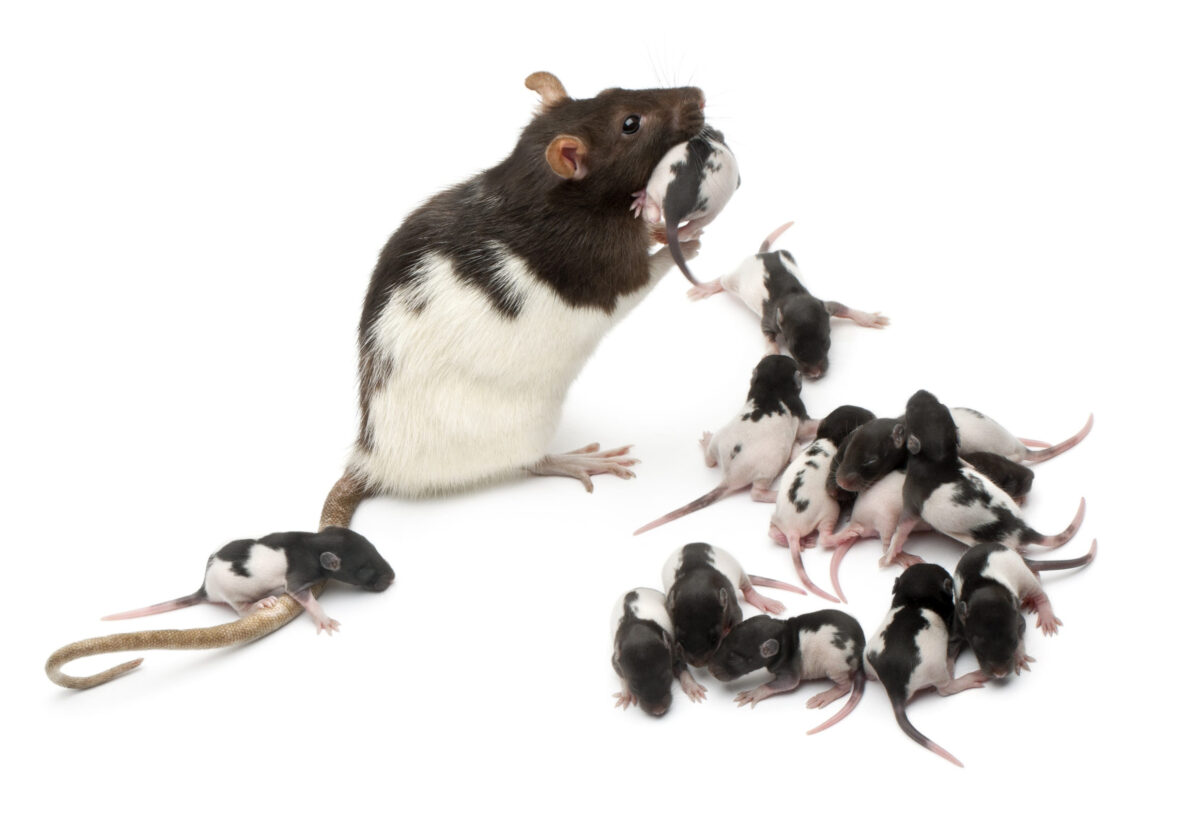
In the 1920s, John B. Watson and Rosalie Rayner conducted an experiment with an infant known as “Little Albert.” They exposed him to a white rat and then paired it with a loud, frightening noise. Eventually, the child developed a fear not only of rats but of other furry objects. This experiment was an early demonstration of conditioned fear but raised severe ethical concerns. Little Albert’s distress was deliberately induced, leaving lasting questions about psychological harm and the boundaries of research with vulnerable subjects.
The experiment’s unsettling outcome demonstrated that fear could be artificially created and generalized, reshaping early theories of learning. Despite its controversial methodology, it profoundly impacted behavioral psychology, illustrating the potential consequences when humans, especially children, are subjected to manipulative experiments without proper safeguards.
The Monster Study

In 1939, Wendell Johnson conducted the “Monster Study” on orphaned children in Iowa, aiming to study the effects of positive versus negative speech therapy. Half the children received critical feedback that labeled their speech as defective, while the other half received encouragement. The negative group developed long-lasting speech anxieties and psychological trauma. The study starkly demonstrated the power of verbal reinforcement and criticism, showing how authority and feedback can shape self-perception and mental health.
This experiment highlights the vulnerability of children and the lasting impact of psychological interventions. Ethical breaches, particularly the deliberate harm inflicted, have cemented the study as one of the most notorious cases in developmental psychology. Its legacy serves as a warning against experimentation without consent and foresight.
The Bobo Doll Experiment
Albert Bandura’s 1961 study explored observational learning and aggression. Children watched adults behaving aggressively toward a Bobo doll, then were placed in a room with the same doll. Those who observed violent behavior often imitated it, acting aggressively. While less ethically questionable than other experiments, it revealed that children model observed behavior, especially when authority figures display aggression. The experiment demonstrated how environmental cues profoundly influence actions, highlighting concerns about media exposure and real-world violence.
Bandura’s findings reshaped understanding of social learning, showing that humans, particularly children, are impressionable and prone to replicating behaviors seen in models. This experiment underscores the ethical responsibility of adults and institutions to consider the examples they set for developing minds.
The Robbers Cave Experiment
In 1954, Muzafer Sherif studied intergroup conflict using boys at a summer camp. Participants were divided into two groups, which quickly developed rivalry, hostility, and prejudice. Sherif then introduced cooperative tasks requiring both groups to work together, which reduced tensions. This experiment highlighted the ease with which humans form in-group/out-group biases and the power of shared goals in conflict resolution. It revealed the social mechanisms that can escalate or resolve hostility.
The Robbers Cave study offered a blueprint for understanding prejudice and reconciliation. It also demonstrated that situational factors, rather than inherent personality traits, can trigger discrimination, revealing a darker, malleable side of human social behavior.
The Asch Conformity Experiment
Solomon Asch’s 1951 study explored peer pressure and conformity. Participants were asked to match line lengths in a group setting, where confederates intentionally gave wrong answers. Many participants conformed, even when the answer was obviously incorrect, highlighting humans’ susceptibility to social pressure. The experiment illuminated the tension between personal judgment and the desire for acceptance, showing how social dynamics can override logic and morality.
This study revealed the quiet power of conformity, demonstrating that even small-group influences can distort perceptions and decision-making. Its implications extend to politics, culture, and workplace dynamics, where individuals may act against their judgment under pressure to align with the majority.
Harlow’s Monkey Experiments
Harry Harlow’s work in the 1950s and 60s investigated maternal attachment using rhesus monkeys. Infant monkeys were separated from their mothers and given surrogate mothers made of wire or cloth. Those with only wire mothers displayed severe emotional distress, highlighting the importance of comfort and bonding. While conducted on animals, the ethical controversy surrounding Harlow’s methods sparked debates about emotional deprivation and cruelty, providing insights into attachment theory and the human need for nurturing relationships.
Harlow’s experiments highlighted the psychological consequences of neglect, illustrating that the absence of emotional care produces lasting trauma. The findings have been influential in child development and foster care practices, though they remain a dark example of ethically questionable research.
The Little Peter Experiment
Mary Cover Jones conducted a counterconditioning study in the 1920s to reduce a child’s fear, known as Little Peter. She gradually exposed the child to feared stimuli while pairing it with positive experiences. This study is notable for its therapeutic intent and its early demonstration that fears could be modified through behaviorist techniques. Unlike other experiments, it minimized harm and highlighted the potential for human resilience under controlled conditions.
Little Peter’s case showed that even deep-seated fears can be alleviated with careful intervention. It contrasts with the more disturbing studies, offering a glimpse of ethically mindful research that continues to advance psychological understanding.
The Robbers Cave Experiment Redux
Sherif’s follow-up studies reinforced that even minimal group identity differences could produce discrimination and conflict. Participants quickly divided into rival factions, demonstrating the human tendency toward in-group favoritism and out-group hostility. Interventions that encouraged cooperation reduced conflict but did not erase deep-seated biases. These findings continue to inform social psychology and the study of prejudice, showing the persistent and often troubling nature of human intergroup behavior.
This extension underscored that social identity and group dynamics can drive human behavior more powerfully than individual morality. It highlights the ethical dilemmas in experimenting with human social behavior, where psychological manipulation can have long-lasting effects.
Conclusion
The psychological experiments above expose the often troubling intersections of curiosity, authority, and human behavior. While some studies provided valuable insights into obedience, fear, aggression, and social dynamics, they often did so at the cost of the participants’ well-being.
Ethical standards have since evolved, but these experiments serve as stark reminders of the human capacity for both cruelty and conformity. They challenge us to understand the mind’s vulnerabilities while emphasizing the responsibility researchers bear when pushing the boundaries of human experience.