Mitch McConnell Health Debate Deepens as Andy Beshear Demands Proof He Can Still Serve in Senate
For decades, Mitch McConnell was one of the most influential figures in American politics, shaping Senate strategy, judicial appointments and Republican priorities from the center of Washington. Now, the longtime Kentucky senator is facing a very different kind of political test as questions surrounding his health, public visibility and ability to serve continue to grow.
The Mitch McConnell health debate has become larger than one senator’s medical recovery. It has opened a national discussion about transparency, aging political leadership and what should happen when an elected official remains in office but cannot maintain a visible public presence.
Kentucky Gov. Andy Beshear’s demand that McConnell either demonstrate his ability to serve or resign has placed renewed attention on the responsibilities of elected officials. The dispute highlights a difficult question facing modern government: how should voters judge whether their representatives can continue performing one of the country’s most demanding public roles?
A Powerful Senator’s Silence Creates a Political Storm
Mitch McConnell built his career as a master strategist in the U.S. Senate. As the longest-serving Senate party leader in American history, he became known for his ability to negotiate legislation, manage Republican priorities and influence national debates.
His absence from Washington therefore carries unusual weight. McConnell is not simply another senator missing votes. He is a political figure whose decisions shaped decades of congressional history, from Supreme Court confirmations to major legislative negotiations.
The current debate over Mitch McConnell’s health began after the senator was hospitalized following a fall on June 14. His office later confirmed that he experienced a serious medical setback, including pneumonia during treatment, and entered a rehabilitation program focused on recovery.
McConnell’s office has provided updates about his condition and released statements from medical professionals. Those updates addressed several concerns, including whether he suffered a stroke, heart attack, or other major medical emergencies.
However, questions remained among some Kentucky voters and political leaders because McConnell had not personally appeared before the public. The issue shifted from what happened medically to whether voters had enough information about his current ability to perform his duties.
That distinction transformed a health matter into a political accountability debate.
Andy Beshear’s Challenge Puts Transparency at the Center of the Fight
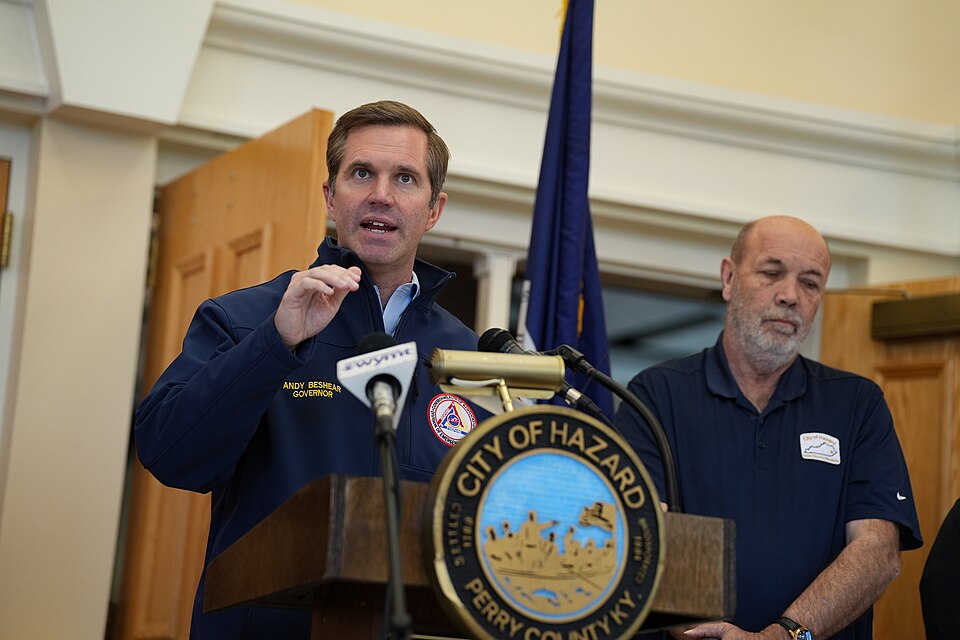
Gov. Andy Beshear intensified the conversation by calling on McConnell to address Kentucky residents directly. In a letter to the senator, Beshear argued that McConnell should publicly demonstrate that he can continue serving or consider stepping aside.
Beshear also contacted Senate Majority Leader John Thune, asking him to examine whether further action was necessary. The governor argued that Kentucky voters deserved clarity after weeks of limited communication from one of their two senators.
The governor’s position rests on the idea that public office requires public accountability. Senators are responsible for reviewing legislation, voting on national issues, attending hearings and representing millions of constituents.
Beshear has emphasized that he is not asking for private medical records. Instead, he has argued that a direct statement from McConnell could address uncertainty and reduce speculation surrounding the senator’s condition.
The request has received support from those who believe elected officials must maintain a direct connection with voters, especially during periods of prolonged absence. Supporters argue that transparency protects public trust and helps prevent rumors from filling information gaps.
Critics, however, believe Beshear’s demand crosses into political territory. They argue that McConnell has already provided medical information and deserves privacy while recovering.
The Missing Piece in the McConnell Health Debate Is His Own Voice

The most important element of the Mitch McConnell health debate remains his absence from the conversation. His office has released statements, and doctors have provided updates, but voters have not heard directly from the senator.
That silence has created a difficult situation for both supporters and critics. Without a public appearance, people are left interpreting statements from staff members, medical professionals and political allies.
The challenge is not unique to McConnell. Throughout American history, elected officials have faced health concerns while holding public office. Former President Franklin D. Roosevelt managed serious health challenges during his presidency, while later leaders faced questions about age, stamina and medical transparency.
The difference today is the speed of information. Social media and 24-hour news cycles quickly amplify uncertainty. When public figures disappear from view, speculation can spread faster than official explanations.
For elected officials, visibility has become closely connected to public confidence. A short public message can sometimes accomplish what written statements cannot because voters can see and hear the person representing them.
The debate surrounding McConnell reflects this modern reality. The public is not only asking whether a leader is legally qualified to remain in office. Many are asking whether that leader is visibly engaged with the responsibilities of the position.
Kentucky’s Senate Vacancy Rules Add Another Layer of Uncertainty
The political consequences of the Mitch McConnell health debate are complicated by Kentucky’s unusual Senate vacancy rules. Unlike many states, Kentucky does not allow the governor to simply appoint a replacement if a Senate seat becomes vacant.
State lawmakers changed the process, requiring a special election instead of a direct gubernatorial appointment. This means Beshear cannot remove McConnell or appoint a temporary replacement solely on health grounds.
A Senate vacancy would need to occur through resignation, death, or another recognized legal process. Until that happens, McConnell remains a sitting senator.
The rules create a significant political calculation because McConnell’s current term expires at the end of 2026. Any potential vacancy would involve election deadlines, legal procedures and questions about timing.
Kentucky’s situation demonstrates how state laws can influence national political outcomes. A single Senate seat can affect party balance in Washington, especially during periods when control of the chamber is closely contested.
The vacancy rules also explain why Beshear’s demand is largely political rather than procedural. The governor can pressure, criticize and request transparency, but he cannot independently create a vacancy.
McConnell’s Absence Raises a Bigger Question About Aging Leadership
The controversy surrounding Mitch McConnell reflects a wider discussion about aging leaders in American politics. Congress has no standard requirement that forces lawmakers to release detailed medical evaluations or publicly demonstrate their ability to serve.
The absence of such rules has created difficult situations across government. Lawmakers from both parties have faced questions about age, health, and whether political institutions need stronger transparency standards.
The United States has one of the oldest political leadership systems among major democracies. Many long-serving lawmakers continue holding significant influence well into their 70s and 80s.
Supporters say experience matters. Veteran lawmakers often understand complex policy issues, maintain important relationships and provide institutional knowledge that younger officials may not yet possess.
Critics argue that voters deserve clearer information when health concerns affect a leader’s ability to perform daily responsibilities. They believe transparency standards should apply regardless of party affiliation.
The Mitch McConnell health debate has become part of this larger national conversation. It raises questions about how democratic systems balance personal privacy with public responsibility.
A Senate Without McConnell Shows the Weight of One Political Figure
McConnell’s absence also highlights how much influence individual lawmakers can accumulate over time. Few senators have shaped their party’s direction as consistently as McConnell.
During his years in leadership, he became central to Republican strategy on major issues. His influence extended beyond Kentucky because Senate decisions often affect the entire country.
His current absence creates questions about how leadership transitions happen when a powerful figure steps away unexpectedly. Although Republican leaders continue managing Senate operations, replacing decades of experience is not simple.
The situation also affects Kentucky’s role in Washington. Senators represent their states through votes, negotiations, and committee work. Extended absences naturally raise questions about representation.
This concern does not mean McConnell cannot recover or return. His office has repeatedly stated that he intends to complete his term and continue serving.
However, the situation shows how the absence of a single senator can create broader institutional questions.
Republicans Push Back as Political Motives Become Part of the Debate
The response to Beshear’s demands has been divided along familiar political lines. Republican allies of McConnell have criticized the governor’s actions as politically motivated.
Sen. Rand Paul of Kentucky defended McConnell and argued that other elderly lawmakers have faced health challenges without being subjected to similar demands for public proof of their ability to serve.
Republicans have emphasized that McConnell has released medical information and remains engaged through his office. They argue that recovery from illness should not automatically become a political issue.
Democrats and Beshear’s supporters see the situation differently. They argue that public officials must maintain transparency because their responsibilities belong to voters.
The disagreement reflects a broader challenge in American politics. Health issues involving elected officials often become political battles because they involve both personal privacy and public accountability.
The McConnell situation demonstrates how difficult it can be to separate those two concerns.
The Future of the McConnell Health Debate Depends on One Decision
The next stage of the Mitch McConnell health debate may depend largely on whether McConnell chooses to make a public appearance. A direct message from the senator could provide clarity that written statements have not fully delivered.
If McConnell returns to public duties, participates in Senate activities and communicates directly with voters, much of the current controversy may fade.
If his absence continues, pressure for additional transparency is likely to remain.
The situation also leaves a lasting question for American politics. The country has detailed systems for elections, appointments and constitutional powers, but fewer clear answers when elected officials face extended health challenges.
The debate over Mitch McConnell is therefore about more than one senator’s recovery. It is about how a modern democracy responds when experience, privacy, public service and accountability collide.
For Kentucky voters, the most important question remains straightforward: can the person holding the Senate seat continue carrying out the responsibilities entrusted to him? The answer will shape not only McConnell’s political future but also the broader conversation about leadership in an aging America.