Growing Up in the White House Isn’t as Easy as It Looks: 8 Strange Rules Presidential Children Must Follow
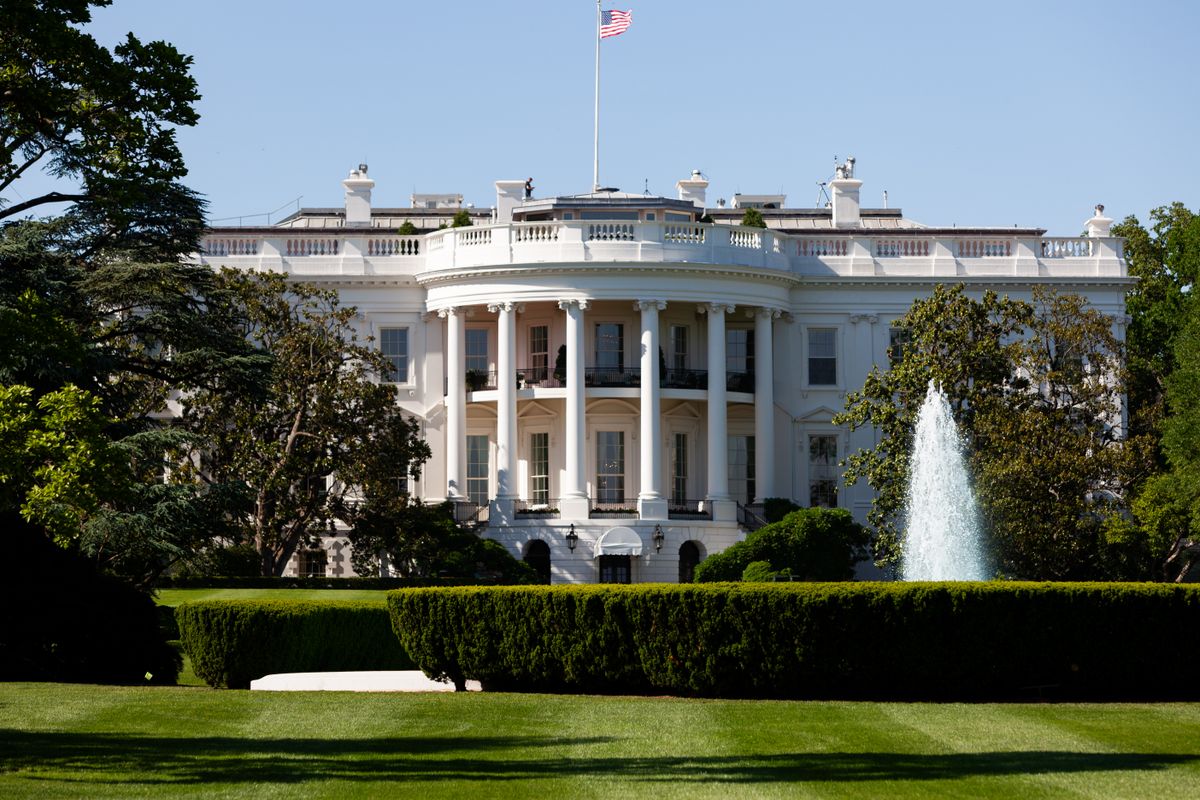
The White House may look like the ultimate childhood home, complete with grand rooms, famous visitors, sprawling lawns, and a front-row seat to history. Yet for the children who live there, life inside America’s most recognizable residence can feel far less glamorous than it appears.
Behind the ceremonies and extraordinary privileges lies a childhood shaped by Secret Service protection, limited privacy, public scrutiny, and carefully planned routines. Simple activities such as visiting a friend, attending school, using social media, or going for a drive can require security checks and advance coordination.
Presidential children must somehow balance two very different lives. They are young people trying to make friends, complete homework, explore their independence, and enjoy ordinary family moments, but they are also members of one of the most watched families in the world.
Some of the rules they follow are official security measures, while others come from long-standing traditions and the pressure to protect the dignity of the presidency. From restricted outings to unexpected limits inside their own home, these are the strange rules and surprising realities presidential children face while living in the White House.
Their Social Media Use Can Be Closely Controlled
Growing up in the age of social media creates a unique challenge for presidential children. Many teenagers today share their lives online through platforms like Instagram, TikTok, and other social networks.
However, presidential children often have to think carefully about what they post and how their online presence could affect their family. Public social media accounts can create security concerns and expose personal information to millions of people.
For this reason, many presidential children keep their accounts private or avoid having a major public online presence while they are young.
Even ordinary posts about school, friends, or daily activities can attract intense public attention when the person sharing them is connected to the White House. The internet may offer connection, but for presidential children, it can also create another layer of scrutiny.
They Often Attend Private Schools for Security Reasons
Education becomes another area where safety plays a major role. Most presidential children attend private schools while their parents are in office. This is often connected to security concerns, scheduling, and creating an environment where their needs can be managed more easily.
However, this is not an absolute requirement. President Jimmy Carter made a notable decision when his daughter Amy Carter attended a public school in Washington, D.C., during his presidency. The choice reflected his personal beliefs about education and equality.
The decision of where a presidential child goes to school often involves balancing normal childhood experiences with the realities of their family’s public position.
Presidential Children Cannot Simply Live Like Ordinary Kids
One of the biggest adjustments for presidential children is losing the freedom that many children take for granted.
For most children, going to a friend’s house, taking a walk around the neighbourhood, or making spontaneous plans is a normal part of growing up. For children living in the White House, everyday activities often require planning and security considerations.
Their movements are closely monitored because their safety is connected to the security of the president and the first family. This means simple activities that other teenagers might do without thinking often require coordination.
Former presidential children have spoken about how difficult it can be to live with constant attention. The experience can include having strangers recognize them, photographers following their family, and security personnel nearby during daily activities.
While they may have access to unique opportunities, they also sacrifice a level of privacy that most young people enjoy.
They Are Usually Protected by Secret Service Agents
Security is one of the biggest differences between the life of a presidential child and an average American child. Children of sitting presidents receive Secret Service protection because of their connection to the president. Protection can affect everything from transportation to social activities.
Security agents are present not only during public appearances but also during many personal activities. For young people, this can feel unusual because even private moments may happen with security nearby.
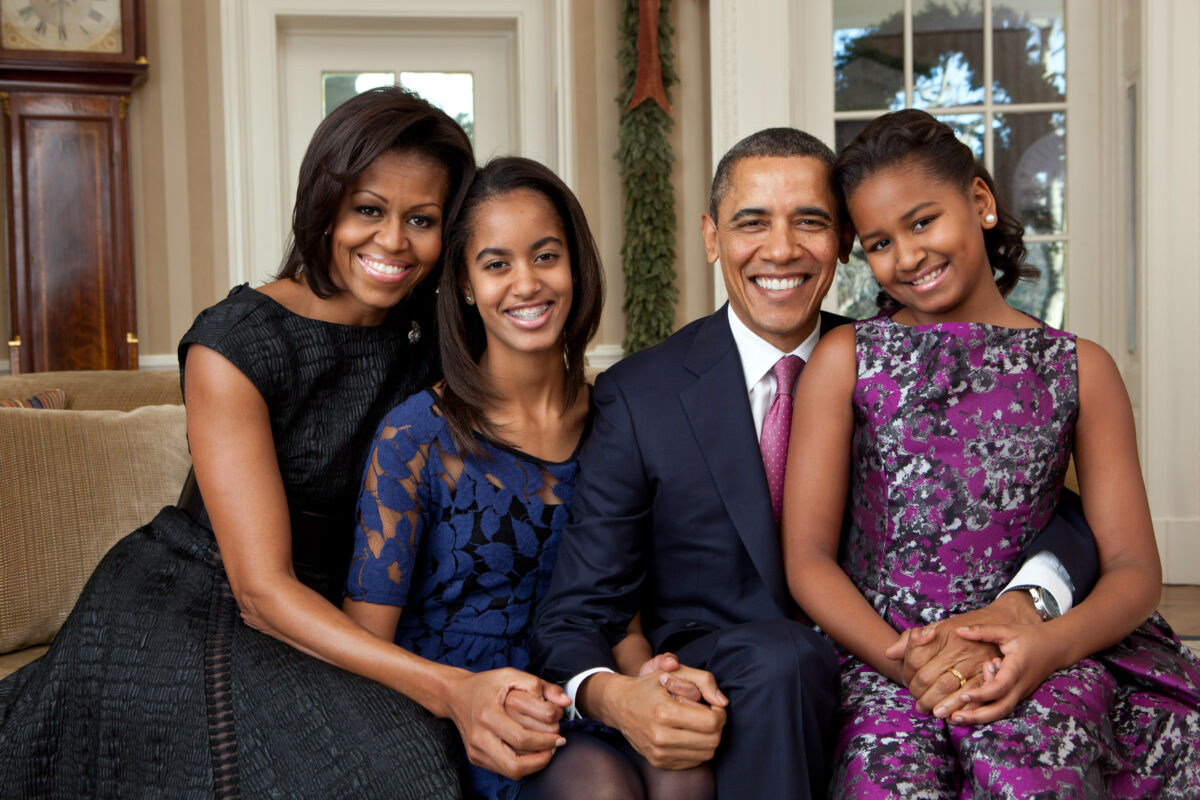
Former President Barack Obama’s daughters, Sasha and Malia Obama, experienced this reality while growing up in the White House. Their movements were carefully planned, and security considerations influenced everyday activities such as transportation and outings with friends.
The purpose is protection, but it can also make ordinary teenage experiences more complicated.
They Cannot Simply Drive Around Like Other Teenagers
Getting a driver’s license does not necessarily mean presidential children can enjoy complete independence behind the wheel. For many teenagers, learning to drive represents freedom. It means being able to visit friends, run errands, or explore their community independently.
For children of presidents, security concerns often change that experience. Presidents and many former presidents are transported by security personnel rather than driving themselves on public roads. Their children may also face restrictions because allowing them to drive without security arrangements can create safety concerns.
Former first daughter Malia Obama’s experience became a well-known example of how even personal milestones, such as attending a school dance, can involve additional security planning.
The challenge is balancing a young person’s desire for independence with the responsibility of protecting someone connected to the presidency.
They Cannot Freely Change the White House Like a Normal Home
Living in the White House does not mean presidential children can decorate or redesign everything however they want. Although the first family may personalize certain private spaces, the White House is also a historic building that belongs to the American people.
Many rooms contain valuable artwork, historical items, and features that must be preserved. Children may be able to decorate their bedrooms, but major changes require consideration because the building itself has cultural and historical importance.
Unlike moving into a regular house, the first family is living inside one of the most famous buildings in the world.
They Are Expected to Maintain a Certain Public Image
Presidential children often face expectations that go beyond normal childhood behaviour. Although they are not elected officials, their actions can attract public attention because of their connection to the president.
Past first families have tried to protect their children from unnecessary criticism while also teaching them responsibility. Former First Lady Michelle Obama spoke about maintaining normal expectations for her daughters, including chores and personal responsibility, despite living in the White House.
The goal is often to prevent children from becoming overwhelmed by privilege while helping them understand the unusual position they are in.
Even Small Family Traditions Can Become Public Events
For presidential children, even normal family moments can attract national attention. A family pet, a school event, or a holiday celebration can become a topic discussed by millions of people.
For generations, presidential pets have been a popular White House tradition because they often create a more relatable image of the first family. Something as simple as a family tradition can become part of presidential history.
This constant attention can be exciting, but it can also create pressure for children who did not choose public life themselves.