Trump 2028 Third-Term Talk Tests the 22nd Amendment and America’s Constitutional Guardrails
Donald Trump ended his appearance at the White House Correspondents’ Dinner with a familiar piece of political theater. Wearing a red “Trump 2028” hat, the president teased another campaign and suggested that his next run might be even better. The room heard a joke, but the Constitution heard a challenge.
The most important question is not whether Trump has discovered a secret route to a third elected term. The 22nd Amendment makes that direct path exceptionally difficult. The deeper question is why a president who cannot legally run again keeps placing his name beside the year 2028. The answer may have less to do with election law than with preserving power before it begins slipping toward a successor.
A red hat turns a constitutional limit into political theater
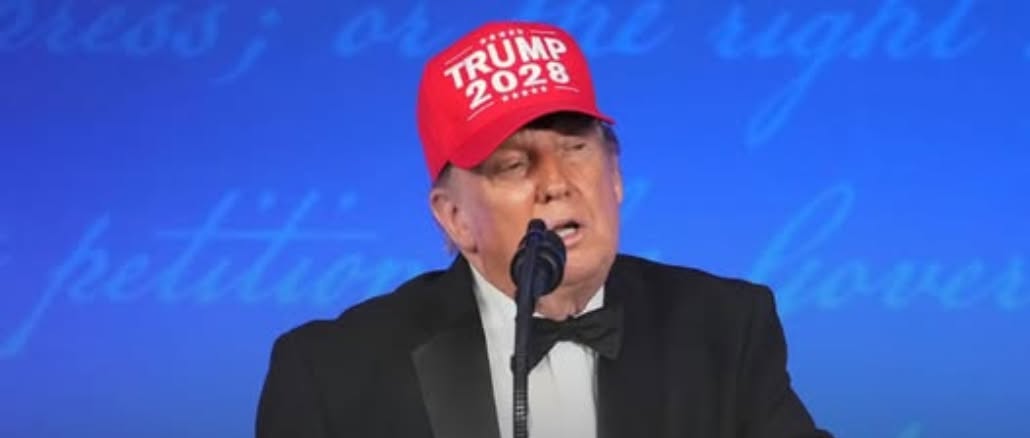
Trump has mastered the art of placing serious ideas inside jokes. His supporters can cheer the message, critics can condemn it, and aides can later dismiss the entire performance as playful trolling. Every reaction helps keep Trump at the center of the political conversation.
At the July 24 dinner, Trump joked about a third or even fourth term before displaying the “Trump 2028” hat. The performance was easy to laugh at because the constitutional barrier appears so clear. However, the image instantly became more memorable than most of the policies, speeches and political disputes surrounding the event.
That is the hidden strength of the slogan. “Trump 2028” compresses an enormous constitutional argument into three words. It can function as merchandise, a loyalty signal, a media provocation and a warning to ambitious Republicans who might otherwise begin preparing campaigns of their own.
The slogan also lets Trump occupy two positions at once. He can present himself as the movement’s permanent leader while avoiding the responsibilities of an official candidate. If challenged, he can call it comedy. If supporters embrace it, he can treat their enthusiasm as evidence that Americans want him to remain in power.
The 22nd Amendment leaves little room for a direct campaign

The constitutional language is blunt. The 22nd Amendment states that no person may be elected president more than twice. Trump won the presidency in 2016 and 2024, meaning a direct attempt to win another presidential election would conflict with the amendment’s central restriction.
The amendment emerged after Franklin D. Roosevelt won four presidential elections. Before Roosevelt, George Washington’s decision to leave office after two terms had operated mainly as a political tradition. Congress and the states eventually converted that tradition into binding constitutional law, ratifying the amendment in 1951.
Some theories focus on indirect routes. One scenario would place Trump on a presidential ticket as the vice-presidential candidate, followed by the elected president’s resignation. The 12th Amendment, however, says that anyone constitutionally ineligible to be president cannot serve as vice president.
Legal commentary acknowledges that the precise relationship between the 12th and 22nd Amendments has never been definitively tested in court. Yet an unresolved academic question is not the same as a dependable loophole. Such a ticket would almost certainly trigger lawsuits, ballot disputes, challenges in Congress, and a national crisis over presidential eligibility.
Trump 2028 may be designed to defeat lame-duck politics
Every second-term president eventually confronts the same problem. Attention shifts toward the next election, allies begin searching for new leaders, and lawmakers become less afraid of disappointing an administration with a fixed expiration date. Presidential influence can fade long before the final day in office.
Trump’s third-term talk disrupts that process. As long as supporters believe he might remain politically dominant beyond 2028, Republican officials have an incentive to delay choosing another standard-bearer. Potential successors must continue praising Trump rather than openly competing to replace him.
That makes the joke politically useful even when the legal path remains implausible. Trump does not need a successful third-term campaign to benefit from the idea. He only needs Republican candidates, donors, commentators and voters to keep wondering whether he intends to control the party’s next chapter.
The strategy can also energize voters ahead of the 2026 midterm elections. Instead of treating Trump as a president approaching the final half of his final term, supporters can view the current administration as one stage in an unfinished movement. The presidency gains an aura of continuity even though the Constitution provides an end date.
The real test is whether Americans keep boundaries serious
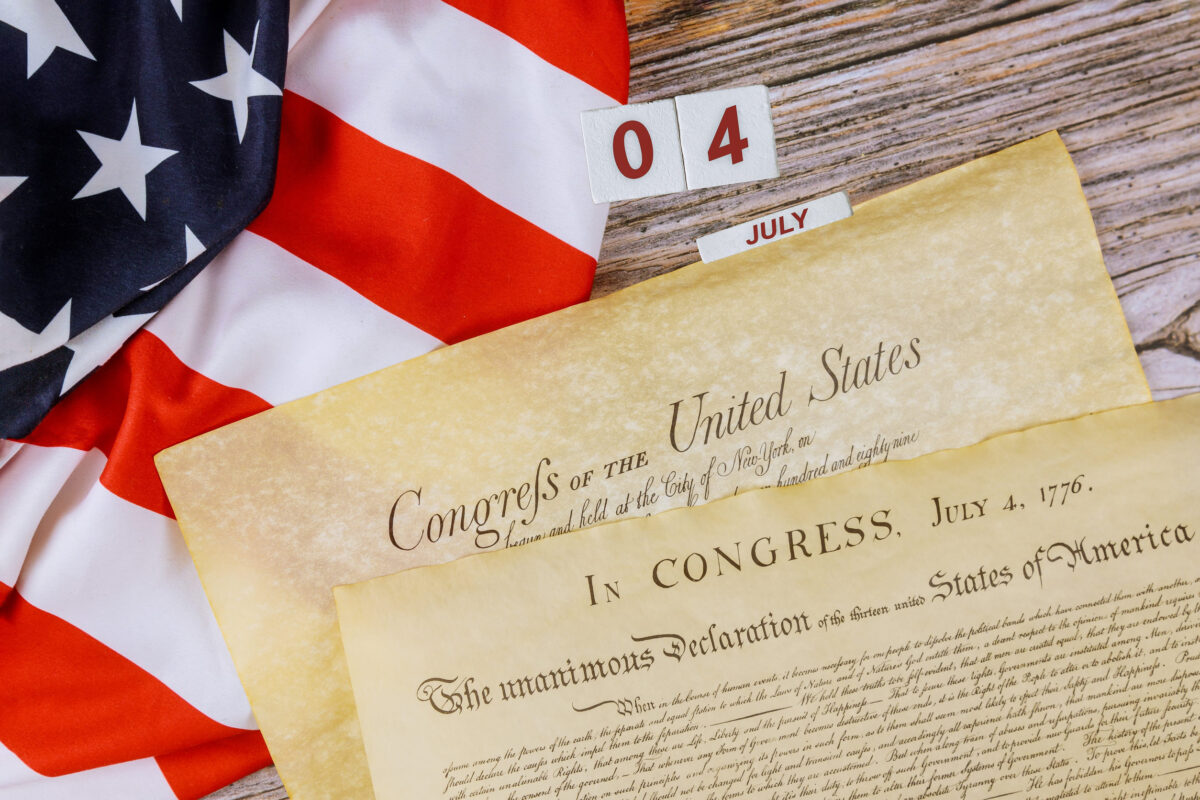
Constitutional rules do not enforce themselves. Election officials, judges, lawmakers, political parties and citizens must treat them as binding before a crisis arrives. When leaders repeatedly describe clear restrictions as jokes, those restrictions can begin to look like obstacles that might be negotiated away.
That does not mean every Trump 2028 hat proves that an illegal campaign is being organized. Political theater should not automatically be mistaken for a detailed plan. Still, repetition matters because it can transform an idea from unthinkable to familiar, then from familiar to politically debatable.
The Constitution provides a legitimate route for changing presidential term limits through the amendment process. That would require overwhelming support in Congress and ratification by three-fourths of the states. Until that happens, the restriction remains the law, regardless of a president’s popularity or a movement’s loyalty.
Trump’s joke therefore reveals something larger than his plans for 2028. It tests whether America’s constitutional guardrails remain firm when confronted by charisma, partisan devotion and relentless political branding. A red hat cannot repeal an amendment, but it can show how many people are willing to imagine that the amendment no longer matters.