Brazil’s Tough New Pet Protection Law Sends a Clear Warning: Animal Abuse Could Mean Years Behind Bars
A new chapter in Brazil’s fight against animal cruelty is putting the treatment of dogs and cats under greater legal scrutiny, with harsher penalties designed to punish abuse and protect vulnerable pets.
For many families around the world, dogs and cats are more than household animals. They are companions, protectors, and members of the family. In Brazil, lawmakers have moved to strengthen that bond by introducing stricter consequences for people who intentionally harm pets.
The new legislation increases the legal risks for anyone convicted of abusing dogs or cats, allowing prison sentences of up to five years in serious cases. Supporters say the measure represents a major shift in how society views animal protection, sending a message that cruelty toward pets is not a minor offense but a serious act with real consequences.
Brazil strengthens legal protection for dogs and cats

The new law reflects growing pressure from animal welfare advocates who have long argued that existing punishments were not strong enough to prevent cruelty.
For years, animal rights groups in Brazil have pushed for stronger protections after repeated cases of violence against pets sparked public outrage. Activists argued that weak penalties allowed some offenders to escape with limited consequences, failing to recognize the emotional and physical suffering experienced by animals.
The updated rules focus specifically on dogs and cats, two of the most common companion animals in Brazilian households. By increasing possible prison sentences, authorities hope the law will discourage abusive behavior and encourage owners to treat animals with greater care and responsibility.
The measure also highlights a broader global trend: governments are increasingly recognizing that animal welfare laws play an important role in protecting not only pets but also the communities that care for them.
Animal cruelty becomes a serious criminal issue
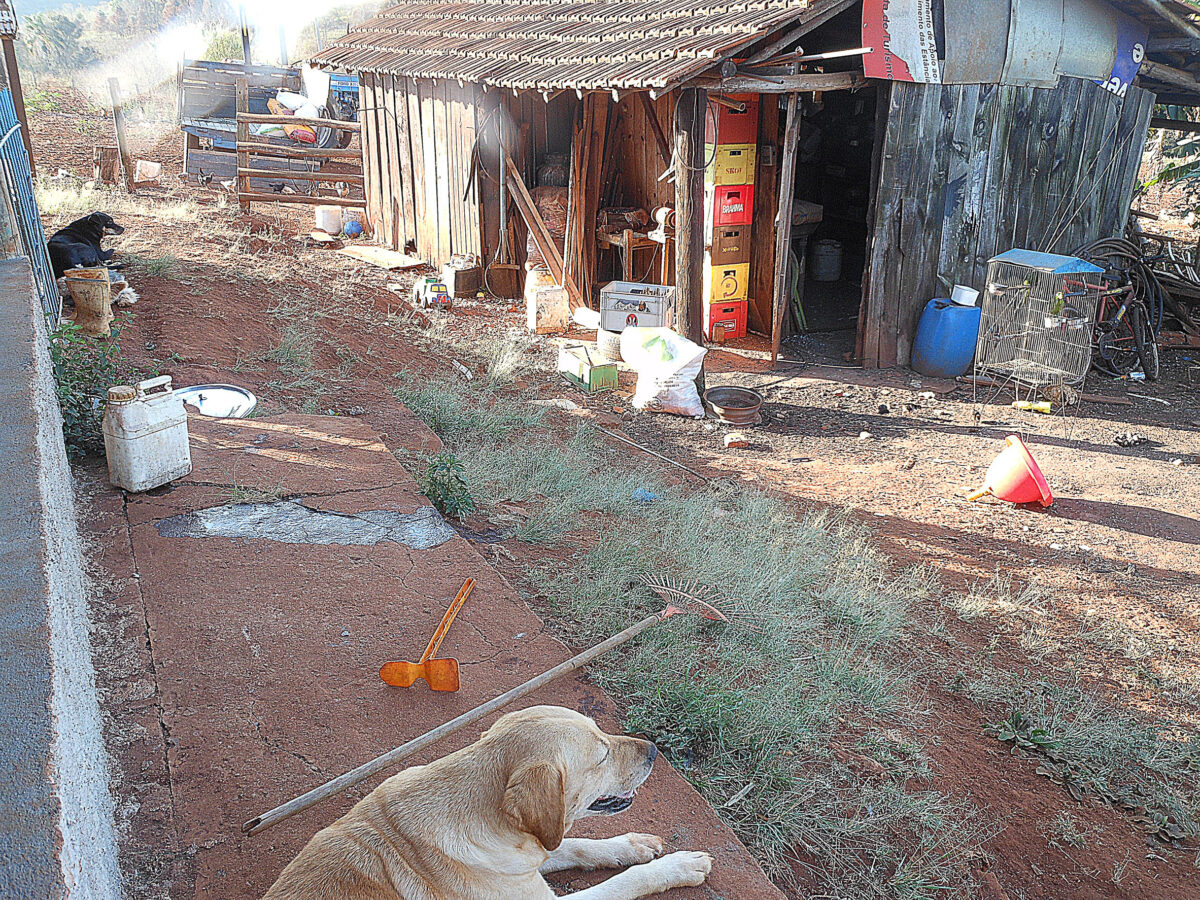
Brazil’s tougher approach signals that harming a pet can now carry consequences similar to other serious criminal offenses.
Under the new framework, individuals found guilty of abusing dogs or cats may face up to five years in prison. The severity of punishment depends on the circumstances of each case, including the nature of the abuse and evidence presented during legal proceedings.
Animal protection advocates say stronger penalties are necessary because cruelty can involve severe physical harm, neglect, or intentional violence. They believe tougher laws create a stronger deterrent by making potential offenders understand that abuse will not be ignored.
The legislation also aims to change public attitudes. Beyond punishment, supporters hope the law encourages more responsible pet ownership and motivates people to report suspected cases of animal mistreatment.
Activists celebrate a major victory for animal welfare
For animal rights organizations, Brazil’s decision represents years of campaigning for stronger protections.
Animal welfare advocates have welcomed the legislation as an important step forward. Many activists believe that animals deserve legal recognition as beings capable of experiencing pain and suffering, rather than being treated simply as property.
Supporters say the new penalties give authorities more power to respond to abuse cases and provide victims with stronger protection. They argue that laws must match society’s changing understanding of the relationship between humans and animals.
The approval of stricter punishment also sends a message beyond Brazil’s borders. Countries around the world have been debating how to improve animal protection laws, and Brazil’s move adds to a growing international conversation about preventing cruelty.
The challenge of enforcing stronger animal protection laws
While the new law has received widespread support, enforcement will determine how effective it becomes in practice.
Animal welfare experts often point out that strong laws require proper investigation systems, trained officials, and public awareness. Without effective enforcement, even strict penalties may fail to stop abuse.
Authorities will need to ensure that reports of cruelty are investigated properly and that offenders are held accountable when evidence supports prosecution. Public education will also remain important, as many cases of animal suffering are linked to neglect, lack of knowledge, or irresponsible ownership.
The success of the legislation will likely depend on cooperation between government agencies, animal protection groups, veterinarians, and citizens who are willing to report suspected abuse.
A stronger message about responsible pet ownership
Brazil’s new law is built around a simple idea: owning a pet comes with responsibility.
Millions of Brazilians share their homes with dogs and cats, and many consider these animals important members of their families. The new legislation reinforces the expectation that pet owners must provide proper care and avoid actions that cause unnecessary suffering.
Supporters believe that responsible ownership includes providing food, shelter, medical attention, and protection from harm. They say stronger penalties help establish that neglect and abuse are not personal matters but issues that affect animal welfare and society as a whole.
The law also encourages a cultural shift where protecting animals becomes a shared responsibility rather than something left only to activists or authorities.
Brazil joins global movement toward stronger animal rights
The country’s decision reflects a worldwide push to give animals greater legal protection.
Across the globe, governments have been reviewing animal cruelty laws as public awareness continues to grow. Many nations have introduced stricter penalties, reporting systems, and welfare standards aimed at reducing abuse.
Brazil’s action places greater emphasis on protecting companion animals and recognizing the importance of humane treatment. Supporters hope it inspires further improvements in animal protection policies throughout the region.
Although laws alone cannot eliminate cruelty, advocates argue that strong legal consequences are an important tool in changing behavior and creating safer environments for animals.
A new era for pet protection in Brazil
Brazil’s tougher penalties mark a significant moment for animal welfare, creating a stronger legal barrier against cruelty toward dogs and cats.
The new law sends a clear warning that harming pets can carry serious consequences. By allowing prison sentences of up to five years, Brazil is signaling that animal abuse will no longer be treated as an insignificant offense.
For animal lovers and activists, the legislation represents progress toward a society where pets receive greater respect and protection. For authorities, the next challenge will be ensuring that the law is effectively enforced and that those who harm animals are held accountable.
As Brazil moves forward with this stronger approach, the message is clear: pets are valued, and cruelty against them carries a price.