Mandela Barnes Drops Out Before Wisconsin Primary, Triggering New Democratic Showdown
Former Wisconsin Lt. Gov. Mandela Barnes has ended his campaign for governor, delivering a major shake-up to the Democratic race and leaving the party’s primary field searching for a new direction ahead of the 2026 election.
Barnes announced Thursday that he was suspending his campaign, saying the decision came after discussions with supporters, family and members of his team. His departure removes one of the most recognizable Democratic figures from the contest and changes the dynamics of a race expected to draw national attention.
The former lieutenant governor entered the race with strong name recognition after becoming one of Wisconsin Democrats’ most prominent statewide figures. His campaign focused on issues including economic opportunity, workers’ rights, healthcare access and protecting democratic institutions.
His decision to step aside comes as Wisconsin continues to be viewed as one of the most politically competitive states in the country. The governor’s race is expected to attract significant attention from both parties because of Wisconsin’s role as a battleground state in presidential and statewide elections.
Barnes’ Exit Changes the Democratic Primary Landscape
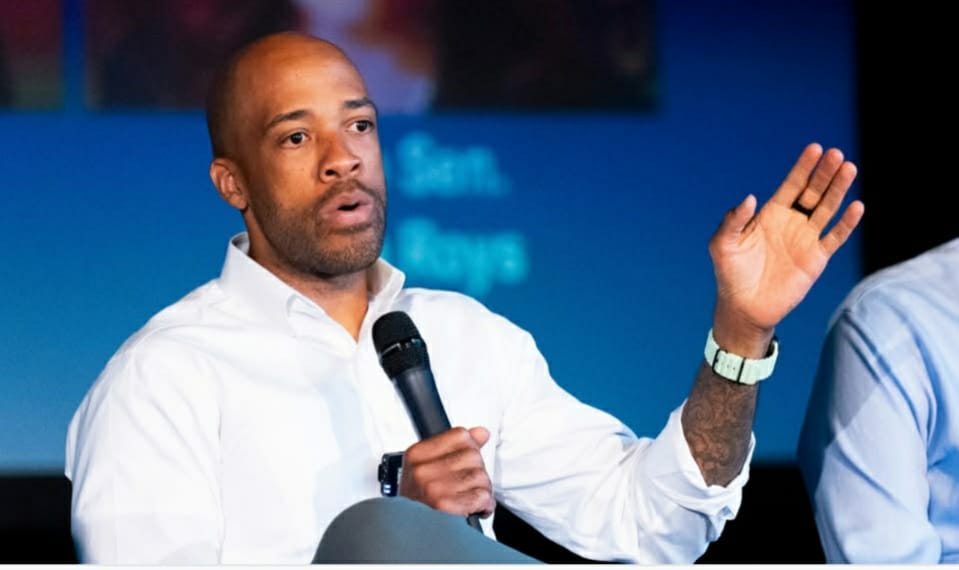
Barnes’ withdrawal creates an opening for other Democratic candidates hoping to become the party’s nominee. Before leaving the race, he had been considered one of the strongest contenders because of his previous statewide experience and ability to connect with Democratic voters.
Barnes made history in 2018 when he became Wisconsin’s first Black lieutenant governor. He served alongside Democratic Gov. Tony Evers and later ran a competitive U.S. Senate campaign in 2022, narrowly losing to Republican Sen. Ron Johnson.
That Senate race helped increase Barnes’ national profile. Although he ultimately fell short, his campaign demonstrated his ability to build support across the state and raise significant national interest. In his governor campaign, Barnes attempted to build on that momentum by presenting himself as a candidate who could unite progressive voters while appealing to working-class communities.
His exit means Democrats will now have to decide which candidate can best challenge Republicans in a state where narrow margins often decide elections.
Wisconsin Remains a Major Political Battleground
Wisconsin’s governor race is expected to become one of the most closely watched contests of the 2026 election cycle. The state has frequently shifted between Democratic and Republican control in recent years. Presidential races, Senate contests and statewide elections have often been decided by small vote differences, making Wisconsin a priority for both national parties.
Democrats have pointed to issues such as abortion rights, healthcare costs, education funding and labor protections as major themes they hope will motivate voters. Republicans, meanwhile, are expected to focus on taxes, public safety, government spending and economic policies as they seek to regain control of the governor’s office.
The race will also serve as a test of voter sentiment ahead of the next presidential election. Both parties view Wisconsin as an important indicator of broader national trends.
Barnes Leaves Behind a Long Political Career
Barnes’ political journey has made him one of Wisconsin’s most recognizable Democratic leaders. Before becoming lieutenant governor, he served in the Wisconsin State Assembly, representing Milwaukee. During his time in office, he built a reputation around issues involving economic inequality, criminal justice reform and expanding opportunities for working families.
As lieutenant governor, Barnes worked closely with Gov. Tony Evers during Evers’ first administration. The pair won reelection in 2022, defeating Republican challengers in a closely contested race.
Barnes later entered the U.S. Senate race against Ron Johnson, becoming the first Black nominee for U.S. Senate from Wisconsin by a major party.His campaign attracted national attention and significant fundraising support.
Despite his loss, Barnes remained an influential voice within Wisconsin’s Democratic Party. His decision to leave the governor’s race does not necessarily signal the end of his political career. Supporters have suggested he remains an important figure who could continue influencing state politics.
What Comes Next for Democrats
With Barnes no longer competing, Democratic voters will now look closely at the remaining candidates and their visions for Wisconsin’s future. The party faces a challenge in finding a nominee who can energize its base while also winning support from independent voters who often decide statewide races.
Barnes’ departure could create a more competitive primary as candidates compete for voters who supported his campaign. For Republicans, the change could provide an opportunity to argue that Democrats are entering the election without their strongest contender. But Democrats are likely to emphasize that the party still has multiple experienced candidates capable of competing statewide.
The 2026 Wisconsin governor race remains months away, but Barnes’ exit has already changed the conversation. A candidate who once appeared positioned to lead the Democratic field is now stepping aside, leaving both parties watching closely to see who emerges next.
Wisconsin’s political battle is far from settled, and the race for the governor’s mansion is likely to remain one of the most important contests of the upcoming election cycle.