Trump Takes Cabinet Meeting to Camp David as Presidential Retreat Faces a New Test of Transparency and Strategy
Camp David has long represented the quiet side of the American presidency, a place where leaders step away from political noise to negotiate, reflect and make difficult decisions. Now, Trump’s Cabinet meeting at Camp David is placing the historic retreat at the center of a debate over transparency, presidential image and whether a highly public governing style can adapt to a more private setting.
President Donald Trump is moving his Cabinet meeting from Washington to Camp David, bringing one of his most recognizable administration traditions to a location built around privacy, security and presidential decision-making. The gathering marks the first Trump Cabinet meeting at Camp David during his second term. It comes as the administration faces renewed attention over how it conducts business in front of the public.
The decision to hold the Trump Cabinet meeting at Camp David is significant because the location carries a reputation that goes beyond politics. For decades, the Maryland retreat has been used for sensitive diplomatic negotiations, national security discussions and private presidential consultations. It has been a place where presidents could step away from the daily pressures of Washington and focus on decisions that required patience and discretion.
Trump’s Cabinet meetings, however, have developed a very different identity. They have become known for lengthy public sessions, department updates and moments where Cabinet officials praise the president while discussing their agencies’ accomplishments. The contrast between Camp David’s private history and Trump’s highly visible meeting style creates the central tension surrounding Friday’s gathering.
The question is not simply where the meeting happens. The larger issue is what the setting says about the administration’s approach to governing. Will Camp David encourage more focused policy discussions, or will it become another stage for one of the most public Cabinet traditions in modern presidential politics?
A Historic Retreat Becomes the Backdrop for Trump’s Latest Cabinet Gathering
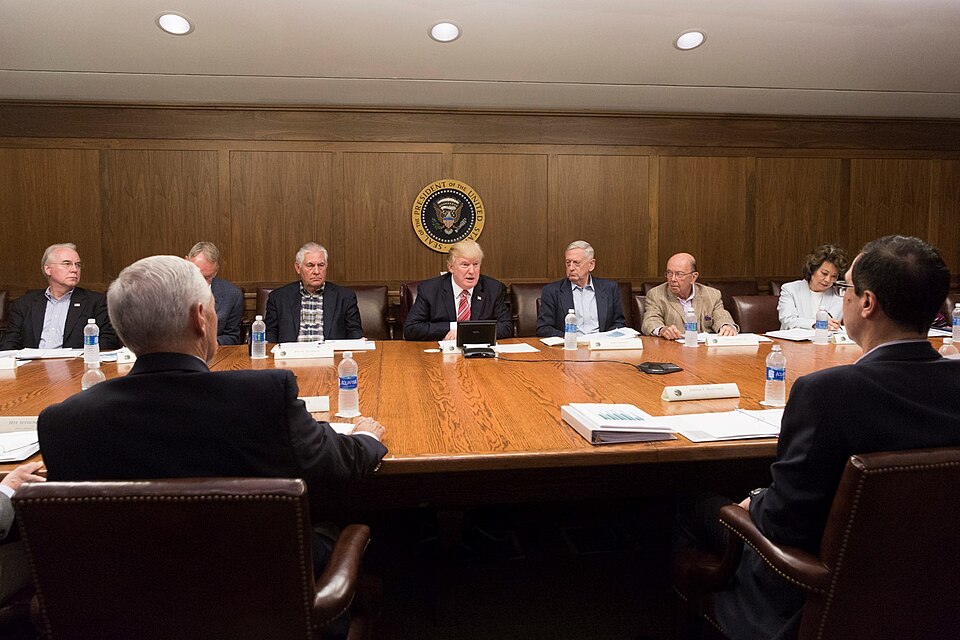
The Trump Cabinet meeting at Camp David represents a major shift from the administration’s usual Washington routine. Cabinet meetings traditionally take place at the White House, where officials gather close to the center of federal operations and where media access is easier to manage.
Camp David offers a completely different environment. Located in Maryland’s Catoctin Mountains, the presidential retreat provides a secure and isolated setting away from the political intensity of the capital. The distance creates room for longer conversations, but it also naturally limits the visibility that comes with conducting government business in the White House.
White House press secretary Karoline Leavitt described the meeting as a different experience for Cabinet officials. The administration previously planned to hold a Cabinet meeting at Camp David, but that attempt was canceled because of weather conditions.
The meeting will be the 13th Cabinet gathering of Trump’s second term and will bring together senior officials responsible for major areas of government. Cabinet members oversee departments that shape national defense, foreign policy, economic decisions, healthcare, education, transportation and domestic programs.
The move also highlights Trump’s preference for direct interaction with his administration’s leadership team. Throughout his presidency, Trump has often emphasized personal communication with Cabinet officials and has used meetings as opportunities to discuss administration priorities publicly.
However, the location creates a complicated dynamic. Camp David was created to give presidents space away from public pressure. Trump’s Cabinet meetings have often moved in the opposite direction by bringing internal administration discussions into public view.
The Trump Cabinet meeting at Camp David therefore becomes more than a routine gathering. It becomes a test of whether two different presidential traditions can exist together.
The Long Cabinet Meetings That Created a New Presidential Tradition
Trump’s Cabinet meetings have become one of the most distinctive features of his presidency. Unlike many previous administrations, where journalists typically attended only the opening moments before leaving for private discussions, Trump has frequently allowed cameras and reporters to remain for extended periods.
The format has created unusual scenes in modern presidential politics. Cabinet secretaries regularly provide updates about their departments, describe policy efforts and discuss administration achievements while sitting directly in front of cameras.
Supporters argue that the approach gives Americans a rare opportunity to hear directly from government officials. They view the extended access as a sign that the administration wants its work displayed publicly rather than discussed only through traditional government statements.
The criticism has focused on whether the meetings provide enough space for serious policy debate. Some observers argue that long public remarks can shift attention away from detailed discussions about challenges facing government agencies.
The issue became noticeable even within the administration. Trump has acknowledged that Cabinet meetings can become excessively long. During one previous session, he commented that an earlier meeting had continued for several hours and said the length had become difficult to manage.
Since then, Trump has encouraged officials to keep their presentations shorter and has attempted to reduce the number of extended reports during meetings.
The Trump Cabinet meeting at Camp David will show whether those changes have reshaped the format. A retreat designed for strategic conversations creates expectations that officials will focus less on speeches and more on coordination.
The challenge is maintaining the visibility Trump values while ensuring that Cabinet meetings serve their traditional purpose: advising the president and coordinating executive branch priorities.
Behind Camp David’s Gates, Transparency Faces a New Test

The decision to hold the Trump Cabinet meeting at Camp David also raises broader questions about presidential transparency. Every administration must balance public accountability with the need for private discussions, especially when dealing with national security, economic policy or sensitive government decisions.
Camp David exists because presidents require secure locations where they can speak openly. The retreat’s design allows leaders to meet away from public attention and political distractions.
That purpose has made Camp David valuable throughout American history. Presidents have used the retreat because some conversations cannot happen effectively under constant observation.
At the same time, Trump has built part of his political identity around visibility. His administration has defended open Cabinet meetings as a way to show Americans what officials are doing and how government decisions are being made.
The Trump Cabinet meeting at Camp David creates a natural tension between those two priorities. The location encourages privacy, while Trump’s meeting style has emphasized public access.
The amount of media access provided during the meeting will influence how the event is viewed. If reporters are allowed to observe a significant portion of the gathering, it will continue Trump’s tradition of highly visible Cabinet sessions.
If access is more limited, critics may question whether moving the meeting away from Washington reduces public oversight. Supporters, however, may argue that private settings allow leaders to have more productive conversations.
The debate reflects a larger challenge facing modern presidents. Americans increasingly expect transparency, but effective government often requires private discussions where officials can debate options without immediate political reaction.
Camp David has always represented that balance. The Trump Cabinet meeting will test how that balance works under an administration that has placed unusual emphasis on public communication.
Camp David’s Legacy Was Built on Moments That Changed History
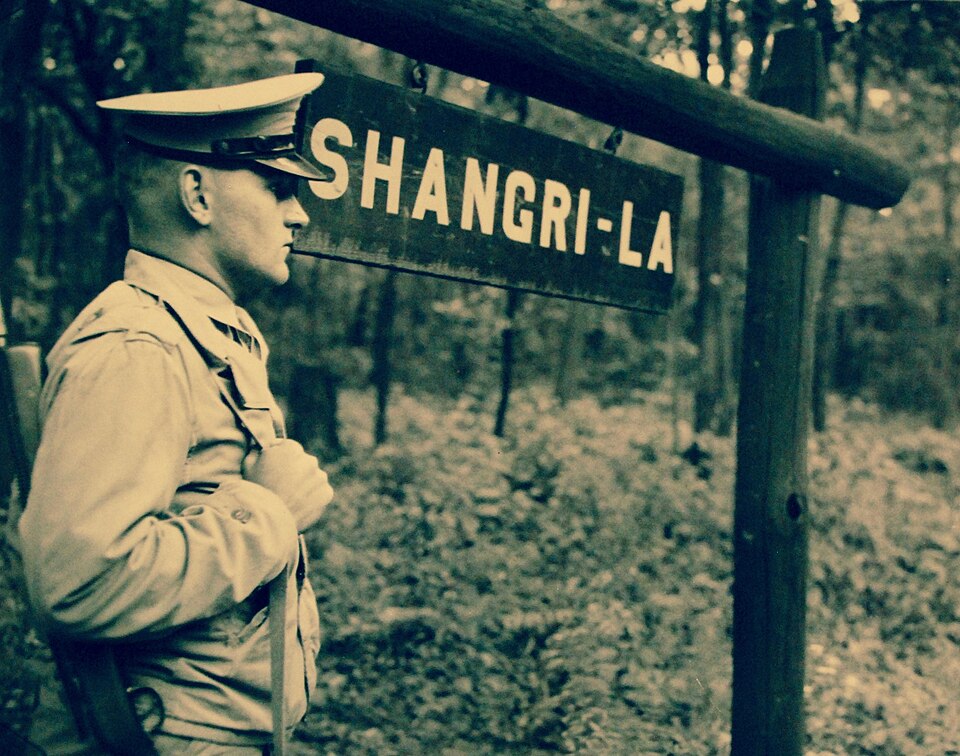
Before becoming the location for a Trump Cabinet meeting, Camp David earned its reputation through some of the most important moments in presidential history.
The retreat was established during Franklin Roosevelt’s presidency during World War II. Security officials had become concerned about Roosevelt’s travel aboard the presidential yacht, particularly as wartime threats increased.
Roosevelt wanted a secure location near Washington where he could rest while remaining connected to government responsibilities. The wooded Maryland location offered privacy, security, and distance from the pressures of the capital.
The site was originally named Shangri-La, inspired by the fictional paradise in James Hilton’s novel Lost Horizon. President Dwight Eisenhower later renamed it Camp David in honor of his grandson.
Every president since Roosevelt has used the retreat. Some visited for personal rest, while others relied on it during moments of national importance.
The most famous example came during President Jimmy Carter’s administration. In 1978, Carter hosted Egyptian President Anwar Sadat and Israeli Prime Minister Menachem Begin at Camp David for negotiations that lasted nearly two weeks.
The talks produced the Camp David Accords, a historic agreement that helped establish a framework for peace between Egypt and Israel. The negotiations demonstrated the power of removing leaders from political pressure and allowing time for difficult conversations.
Camp David has also hosted discussions about domestic challenges, international conflicts, and national security concerns. Its reputation comes from serious decisions made away from Washington’s constant attention.
The arrival of the Trump Cabinet meeting at Camp David adds a new chapter to that history. Instead of peace negotiations or diplomatic talks, the retreat will host an internal government meeting shaped by a very different political environment.
Trump’s Relationship With Camp David Shows a Changing Presidential Style
The Trump Cabinet meeting at Camp David also highlights how presidents use the retreat differently depending on their personal leadership styles.
During his first term, Trump visited Camp David more frequently and used it for official meetings and discussions. During the early years of his second term, he has spent less time at the retreat, making this Cabinet gathering a notable return.
Presidential retreats often reflect how leaders prefer to work. Some presidents use them primarily for quiet reflection. Others turn them into places for strategic meetings and relationship-building with advisers.
Trump has traditionally favored direct communication and personal engagement with officials. His meetings often involve extended conversations and public explanations of his administration’s goals.
Camp David offers a setting that supports a different approach. The retreat encourages smaller discussions, longer planning sessions, and fewer distractions from Washington politics.
The meeting may indicate whether Trump intends to make Camp David a larger part of his second-term strategy. If the administration begins using the retreat more often, it could become an important location for Cabinet discussions and senior-level planning.
However, the significance of the location will ultimately depend on what happens inside the meeting. A historic setting can create a powerful image, but its value comes from the decisions made there.
A Presidential Retreat Meets a New Era of Political Communication
The Trump Cabinet meeting at Camp David represents a meeting point between two different eras of presidential leadership. Camp David reflects a tradition of private diplomacy and careful negotiation, while Trump’s Cabinet meetings reflect a modern political environment shaped by cameras, public messaging, and constant attention.
The administration now faces the challenge of combining those approaches. Presidents need private spaces where they can discuss difficult issues honestly, but they also operate in an era where citizens demand greater visibility from government leaders.
The meeting’s importance will not be measured only by announcements or speeches. It will also be judged by whether it produces clearer coordination among government agencies and whether Camp David becomes a place for meaningful strategy rather than simply a new backdrop.
The history of the retreat shows that location alone does not create significance. Camp David became important because presidents used it during moments that required patience, compromise and careful thought.
Now, the Trump Cabinet meeting at Camp David adds a new question to that legacy. Can a retreat built for private presidential decision-making also support an administration known for public political communication?
The answer may reveal how Trump’s second-term leadership style continues to evolve. Camp David has always been a place where presidents step away from the noise to make choices. This time, the world will be watching how much of that decision-making happens in public and how much remains behind the gates.