America’s Noncitizen Voter Registration Problem Raises New Questions About Election Security and Public Trust
A voter registration system built on millions of digital records, government databases, and state-level rules is facing renewed scrutiny after officials uncovered cases of noncitizen voter registrations, raising difficult questions about oversight, accountability, and the future of election security in America.
The debate over noncitizen voter registration has moved beyond individual cases and into a larger national conversation about how the United States manages its elections. Recent discoveries in several states have highlighted concerns about database errors, inconsistent verification systems, and whether election officials have enough tools to identify problems before they become public controversies.
The issue has attracted attention because elections depend on confidence as much as they depend on counting ballots. Even when cases are limited, questions about voter eligibility can create uncertainty among citizens who expect election systems to protect the integrity of every vote.
At the center of the debate is a complicated challenge. States must make voting accessible for eligible citizens while also ensuring that people who do not meet legal requirements cannot register or participate in federal elections.
A software mistake revealed a much deeper challenge in the election system.
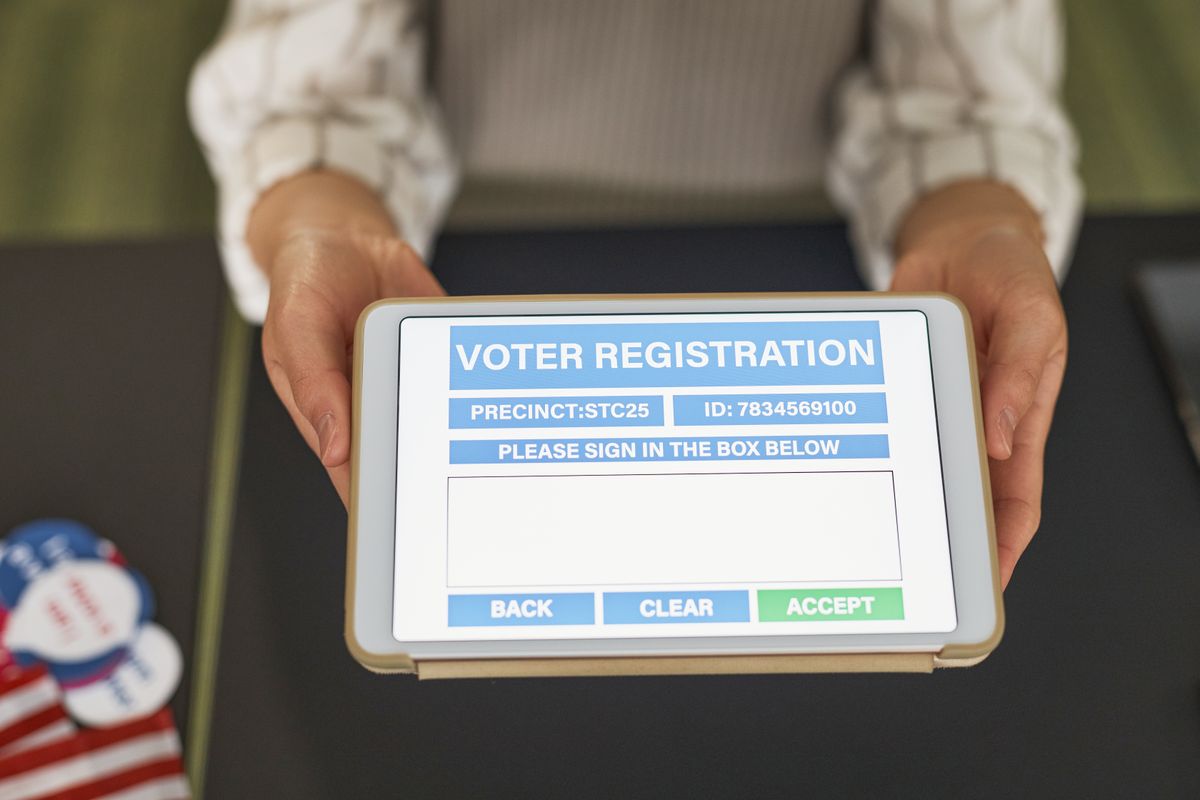
The recent controversy surrounding noncitizen voter registration in New Jersey began with a government database problem. Officials said thousands of individuals appeared on voter registration records because of a software issue connected to information transferred through the state’s motor vehicle system.
The discovery immediately raised questions about how modern government systems communicate with each other. Many states now rely on digital connections between agencies to make services faster and more convenient. However, those connections can also create problems when information is incomplete, outdated, or incorrectly processed.
The concern is not only about one state or one technical failure. Election officials across the country manage enormous databases containing millions of records. When a mistake enters the system, identifying and correcting the problem can become a complex process requiring time, staff, and careful review.
Automatic voter registration has become one of the biggest points of debate in this discussion. Supporters say it helps eligible citizens participate by reducing unnecessary paperwork. Critics argue that automated systems require stronger safeguards because government databases may not always accurately identify citizenship status.
The challenge is finding the right balance between convenience and security. A system designed to make registration easier must also maintain reliable checks to prevent inaccurate records from entering election databases.
The New Jersey case showed how a technical problem can quickly become a national political issue. It also demonstrated why election technology requires constant monitoring and improvement.
The biggest question may be how long errors remain hidden.
For many election security advocates, the most concerning issue is not only that questionable voter registrations were discovered. The bigger question is why those records remained in the system until a review identified them.
Voter rolls constantly change. People move, pass away, become citizens, or lose eligibility for different reasons. Election officials must regularly update records to ensure that voter lists remain accurate.
However, the methods used to maintain those lists vary widely across the United States. Some states conduct frequent audits using multiple databases, while others rely on different verification procedures and reporting systems.
This difference has created a challenge when measuring the scope of noncitizen voter registration concerns nationwide. States often collect information differently, investigate cases differently, and publish findings using different standards.
The lack of a single national reporting system makes it difficult to compare one state’s experience with another. A registration problem discovered in one state may receive significant attention, while a similar issue elsewhere may not become public.
Election experts have repeatedly noted that transparency plays a major role in maintaining public confidence. When officials discover problems, voters want clear explanations about what happened, how many records were affected, and what steps will prevent future mistakes.
The discovery process itself has become part of the debate. Critics argue that election systems should identify problems before public pressure forces reviews. Officials respond that maintaining accurate voter rolls requires constant improvement rather than a one-time solution.
America’s election system creates a complicated patchwork of rules.

One reason the debate over noncitizen voter registration remains difficult is that the United States does not operate under one centralized election system. Instead, election administration is largely managed by individual states.
This structure has advantages. States can design procedures based on their populations, technology, and local needs. However, it also creates significant differences in how voter eligibility is reviewed.
One state may use advanced database matching systems to identify questionable registrations. Another may rely more heavily on information provided during registration. These differences can create confusion when national discussions attempt to measure the overall problem.
The National Voter Registration Act established important standards for voter registration access and maintenance. However, debates continue over how much responsibility states have to investigate possible noncitizen registrations and how those findings should be reported.
Some election officials argue that states already have strong procedures to maintain accurate records. Others believe stronger national standards are necessary because federal elections involve voters across all states.
The disagreement reflects a larger question about American elections. Should election security standards be primarily controlled by states, or should there be stronger federal requirements for protecting national elections?
The answer remains politically divided. However, both sides recognize that accurate voter rolls are essential to a functioning democracy.
State reviews reveal different patterns and different interpretations.
Across the country, state reviews have produced a range of findings involving noncitizen voter registration. Some investigations have identified individuals who appeared on voter rolls despite citizenship concerns. Others have found only a small number of confirmed cases involving ballots cast.
In Iowa, officials reported identifying hundreds of individuals whose citizenship status raised questions during a review. Some cases involved registrations, while others involved individuals who had attempted or successfully participated in elections.
Michigan officials reported that confirmed cases of noncitizen voting were extremely rare compared with the total number of ballots cast. State officials emphasized that isolated cases should be addressed but should not be interpreted as evidence that large numbers of illegal votes determine election outcomes.
Ohio officials have also conducted reviews and referred potential cases for additional investigation. Other states, including Louisiana and Pennsylvania, have reported similar concerns involving voter records and citizenship verification.
These examples show why the national debate remains complicated. Supporters of stricter election rules argue that even a small number of cases justify stronger protections. They believe every improper registration represents a failure that should be corrected.
Others argue that the available evidence does not demonstrate widespread noncitizen voting. They point to the rarity of confirmed cases compared with millions of legitimate voters participating in elections.
The disagreement is not only about statistics. It reflects different views about how election systems should manage risk and how much attention should be given to rare but serious failures.
A growing trust crisis is becoming part of the election debate.

Election systems depend heavily on public confidence. When voters believe registration systems are inaccurate, concerns can spread even beyond the specific cases being investigated.
The debate over noncitizen voter registration has become part of a larger national conversation about election trust. Many Americans want stronger safeguards, while others worry that political disputes could damage confidence in legitimate election results.
Trust is difficult to rebuild once it declines. Election officials must not only run secure elections but also explain their processes clearly to the public.
Transparency has become increasingly important in the digital age. Voters expect governments to explain how databases work, how errors are detected, and how officials respond when mistakes occur.
The challenge is especially significant because modern elections involve complex technology. Digital systems improve efficiency, but they also require strong oversight to prevent technical failures.
A government database error may begin as an administrative problem. However, it can quickly become a national debate about fairness, security, and accountability.
The consequences extend beyond elections themselves. Public confidence affects how communities view government institutions and whether citizens believe their participation matters.
Political divisions make solutions harder to achieve
The issue of noncitizen voter registration has become deeply connected to America’s broader political divisions. Different groups often agree that election security matters but disagree sharply about the best solutions.
Republican lawmakers and election security advocates generally support stronger citizenship verification requirements. They argue that registration systems should include additional protections to prevent errors.
Democratic leaders and voting rights organizations often emphasize that confirmed cases of noncitizen voting are rare. They warn that aggressive verification policies could create unnecessary barriers for eligible citizens.
This debate has shaped policy discussions across the country. Some states have pushed for stricter verification rules, while others have focused on improving existing administrative processes.
The political divide can sometimes make practical reforms more difficult. Technical discussions about databases and auditing procedures often become part of larger arguments about election policy.
However, election administration requires solutions that go beyond political disagreements. Reliable systems depend on accurate information, consistent procedures, and cooperation between agencies.
The question facing policymakers is whether election security can become an area where transparency and accuracy receive priority over political competition.
The hidden costs of voter registration failures
Problems involving noncitizen voter registration create financial and administrative challenges for state governments. Investigations require staff time, technology resources, and careful legal review.
Election offices must examine individual records, verify information, and determine whether any further action is necessary. These processes can become expensive, especially for smaller jurisdictions with limited resources.
States may also face additional costs related to lawsuits, audits, public communication campaigns, and technology improvements.
The financial impact is only one part of the issue. Election officials also face pressure from communities seeking answers after registration problems are discovered.
A strong election system requires investment before problems occur. Regular audits, improved database communication, and better training can help reduce future risks.
The goal is not simply finding errors after elections. The goal is creating systems that identify problems early and correct them before they affect public confidence.
The future of election security will depend on stronger systems.
The debate over noncitizen voter registration has revealed a larger challenge facing American elections. As technology becomes more central to government services, election systems must adapt to new risks.
Future improvements could include stronger cooperation between government agencies, more consistent auditing standards, better database security, and clearer public reporting.
Election officials will continue facing the difficult task of protecting voting rights while preventing inaccurate registrations. Both goals are necessary for a functioning democratic system.
The controversy surrounding noncitizen voter registration is unlikely to disappear soon. As elections become more digital and politically significant, questions about accuracy and transparency will remain central.
The most important issue may not only be how many questionable registrations exist. It may be whether Americans believe their election systems are prepared, accountable, and capable of protecting the process they depend on.
A democracy relies on more than ballots being counted. It relies on citizens believing that the system behind those ballots deserves their trust.