FIFA Drops $20 Billion World Cup Investment Plan After Global Soccer Backlash
FIFA has abandoned a controversial plan that could have reshaped the financial future of the World Cup after facing intense opposition from soccer leaders across Europe, North America and Asia. The proposal, known as FIFA Forward Enterprise, was designed to bring private investment into FIFA’s commercial operations, but the idea quickly became one of the most divisive financial debates in modern soccer.
The proposed structure would have created a new commercial subsidiary valued at around $20 billion, potentially allowing private investors to purchase a minority stake. FIFA argued that the move could unlock billions in additional funding for soccer development, while critics feared it could change the relationship between the World Cup and outside financial interests.
After days of pressure, FIFA President Gianni Infantino confirmed that the project would not move forward, saying the organization’s goal remained focused on unity and global soccer development.
FIFA’s $20 billion World Cup investment plan collapses after opposition
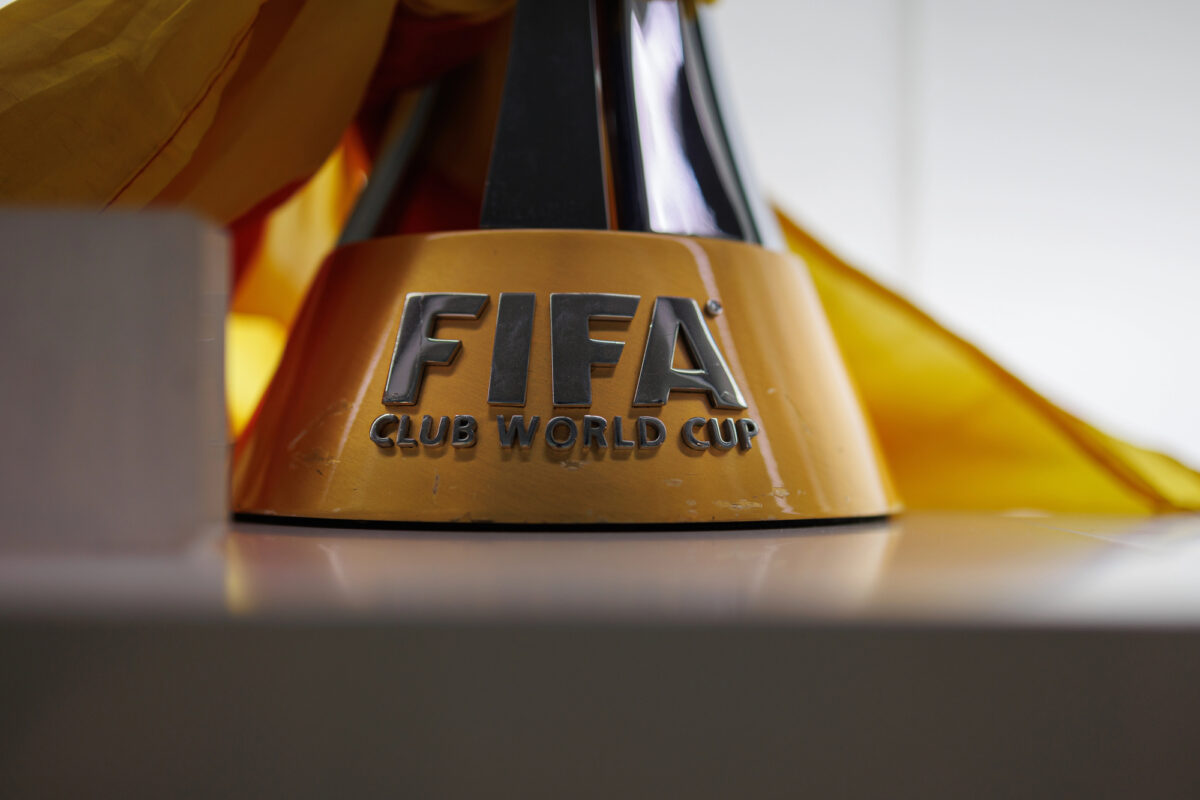
A proposal designed to generate billions for soccer development fell apart after major soccer organizations rejected the idea of selling part of FIFA’s commercial future.
The FIFA Forward Enterprise plan aimed to combine several commercial activities under one subsidiary, including broadcasting rights, sponsorship deals, licensing, ticketing and tournament-related operations.
The estimated $20 billion valuation made the project one of the most ambitious financial proposals in FIFA history. A minority investment could have generated several billion dollars immediately, creating a large funding pool for soccer programs around the world.
However, the plan quickly became controversial because it involved outside investors gaining a financial interest in the business operations surrounding the World Cup, the most valuable tournament in international soccer.
FIFA said the money could transform global soccer development
The strongest argument behind the proposal was FIFA’s promise to send more money to smaller soccer nations that struggle with limited resources.
FIFA oversees 211 national associations, many of which rely heavily on funding from the global governing body to support youth academies, coaching programs, women’s soccer initiatives and infrastructure projects.
Supporters of the plan argued that additional commercial revenue could significantly increase financial support for developing soccer nations, especially in regions where local federations have limited television, sponsorship and ticket revenue.
The proposed funding increase was one of FIFA’s biggest selling points, with officials suggesting that member associations could receive significantly larger payments during future development cycles.
For many smaller soccer nations, additional FIFA funding could mean new training facilities, improved playing surfaces and expanded opportunities for young athletes.
UEFA’s opposition turned the proposal into a global crisis
The controversy reached a turning point when UEFA warned that European teams could refuse to participate in FIFA competitions if the plan continued.
UEFA, which represents 55 national soccer associations, argued that the World Cup should not become linked to private investment ownership.
European soccer leaders questioned whether a tournament built around national pride and sporting competition should have outside investors holding a financial interest in its commercial operations.
The possibility of a boycott created a major challenge for FIFA because European teams represent some of the biggest brands in global soccer.
Countries such as England, France, Germany, Spain and Italy bring enormous television audiences, sponsorship value and worldwide fan interest to FIFA competitions.
Without European participation, future FIFA tournaments would face serious sporting and commercial consequences.
Concacaf rejected the plan after a record-breaking World Cup
North American soccer officials also pushed back against the proposal, arguing that FIFA should explore other ways to increase funding without selling a stake in its commercial operations.
Concacaf, the governing body for soccer in North America, Central America and the Caribbean, questioned the need for private investment after the success of the 2026 World Cup.
The expanded tournament featured 48 teams, increased from the traditional 32-team format, and included 104 matches across the United States, Canada and Mexico.
The tournament generated historic attention and demonstrated the enormous commercial strength of the World Cup brand.
Critics used that success as evidence that FIFA already possesses one of the strongest sports properties in the world and may not need outside investors to increase funding.
Concacaf also raised concerns about the process behind the proposal, arguing that major financial decisions involving international soccer require broader consultation.
Asian soccer leaders joined the growing resistance
Opposition expanded further when the Asian Football Confederation also expressed concerns about the FIFA investment proposal.
Asia represents one of soccer’s fastest-growing markets, with billions of potential fans and increasing commercial opportunities.
The AFC’s criticism showed that concerns about FIFA Forward Enterprise extended beyond Europe and North America.
Soccer leaders across multiple regions questioned whether the proposal provided enough transparency and whether such a major structural change should move forward without wider agreement.
With three major continental confederations raising objections, FIFA faced growing pressure to reconsider the plan.
Internal criticism grew as FIFA faced leadership pressure
The controversy reached inside FIFA’s own leadership structure when senior figures questioned the proposal.
Carlos Cordeiro, former president of U.S. Soccer and a senior adviser to Infantino, resigned after opposing the idea of selling a stake connected to the World Cup.
Cordeiro’s departure attracted attention because of his financial background, including years working in investment banking.
His criticism suggested that concerns about the proposal were not limited to traditional soccer officials but also included experienced financial professionals.
FIFA Chief Operating Officer Kevin Lamour also raised concerns about the project’s development, adding to questions about whether the proposal had received enough internal review.
FIFA defended the plan before ultimately reversing course
FIFA initially pushed back against criticism, insisting that the proposal would not mean selling control of soccer.
The organization argued that private investors would only receive a financial interest in commercial operations and would not control tournament rules, competition formats or FIFA decision-making.
FIFA said the project was intended to strengthen the organization’s ability to fund soccer growth around the world.
However, opponents argued that financial investment often creates influence even without formal control.
They warned that investors could eventually pressure organizations to prioritize revenue growth, expanded commercial opportunities and higher returns.
The 2026 World Cup success intensified the debate
The investment controversy arrived immediately after one of the biggest World Cups in history, making the debate over FIFA’s financial future even more significant.
The 2026 tournament introduced a larger format with 48 teams, creating more matches, more broadcast opportunities and additional commercial value.
The competition featured 104 games across three host countries and became the largest World Cup ever staged.
FIFA’s ability to generate record-breaking revenue strengthened arguments from both sides.
Supporters believed the tournament’s growing value created an opportunity to unlock more money for soccer development.
Critics believed that the same success proved FIFA did not need to share ownership of its most valuable asset.
FIFA’s decision ends the immediate battle but leaves bigger questions
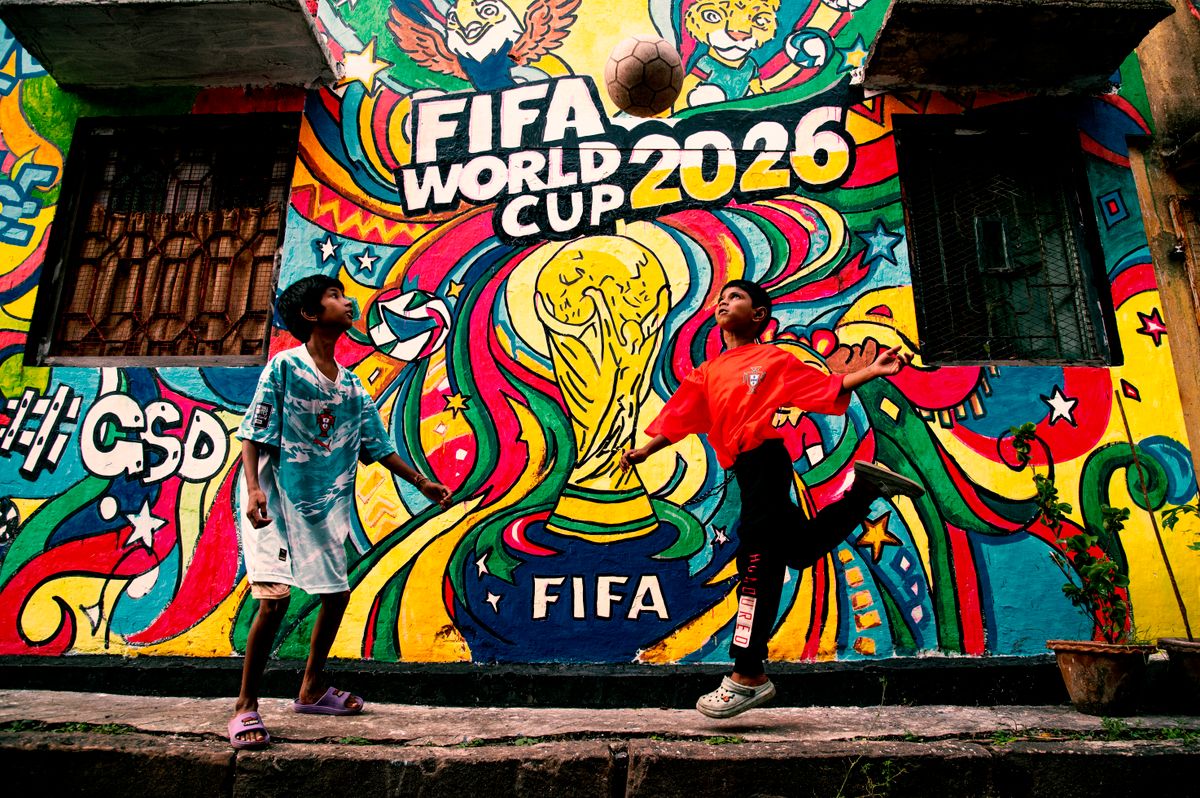
The withdrawal of FIFA Forward Enterprise prevented an immediate conflict but did not solve the larger debate over money and power in international soccer.
FIFA still faces pressure to increase investment in developing soccer nations, expand women’s programs and support infrastructure projects around the world.
The organization must now explore alternative ways to raise and distribute funding without creating concerns about outside influence.
The controversy also highlighted a broader question facing modern sports: who should control the financial value created by athletes, fans and historic competitions?
For now, the World Cup remains fully under FIFA’s control.
But the debate over how the world’s biggest sporting event should be financed is likely to continue.
FIFA World Cup investment controversy by the numbers
- $20 billion: Estimated value of the proposed FIFA commercial subsidiary
- $4 billion-plus: Potential funding from selling a minority stake
- 211: FIFA member associations worldwide
- 55: UEFA member associations involved in opposition
- 48: Teams competing in the expanded 2026 World Cup
- 104: Matches played in the 2026 tournament
- 3: Major confederations opposing the proposal: UEFA, Concacaf and AFC
FIFA’s decision to abandon the investment plan protected the immediate future of the World Cup from a potential power struggle, but it also opened a larger conversation about how global soccer should balance money, growth and control.